 7 Min Read
 04/15/2026
Hurricane Season Roof Prep Tips from a Wilmington Roofing Contractor
Wilmington roofing contractor professionals know that hurricane season can put serious stress on homes along the North Carolina coast. From heavy rain and high winds to flying debris and sudden leaks, your roof plays a major role in protecting your property during storm season. Preparing ahead of time can help homeowners avoid costly damage, reduce emergency repairs, and feel more confident when severe weather arrives.
Before hurricane season ramps up, homeowners should focus on:
- Identifying damage early: Small roofing issues can quickly worsen during storms.
- Scheduling inspections: Preventative maintenance helps reduce emergency repairs.
- Securing roofing materials: Loose shingles and flashing are vulnerable to high winds.
- Improving drainage: Gutters and downspouts need to handle heavy rainfall efficiently.
- Creating an emergency plan: Fast action after storms can minimize additional damage.
For Wilmington homeowners, taking preventative action early is especially important because salt air, humidity, and strong seasonal storms can wear down roofing materials faster than inland areas. Many NC roofing companies encourage homeowners to schedule inspections before hurricane season begins to help reduce the risk of costly storm-related damage.
Why Hurricane Season Is Tough on Coastal Roofs
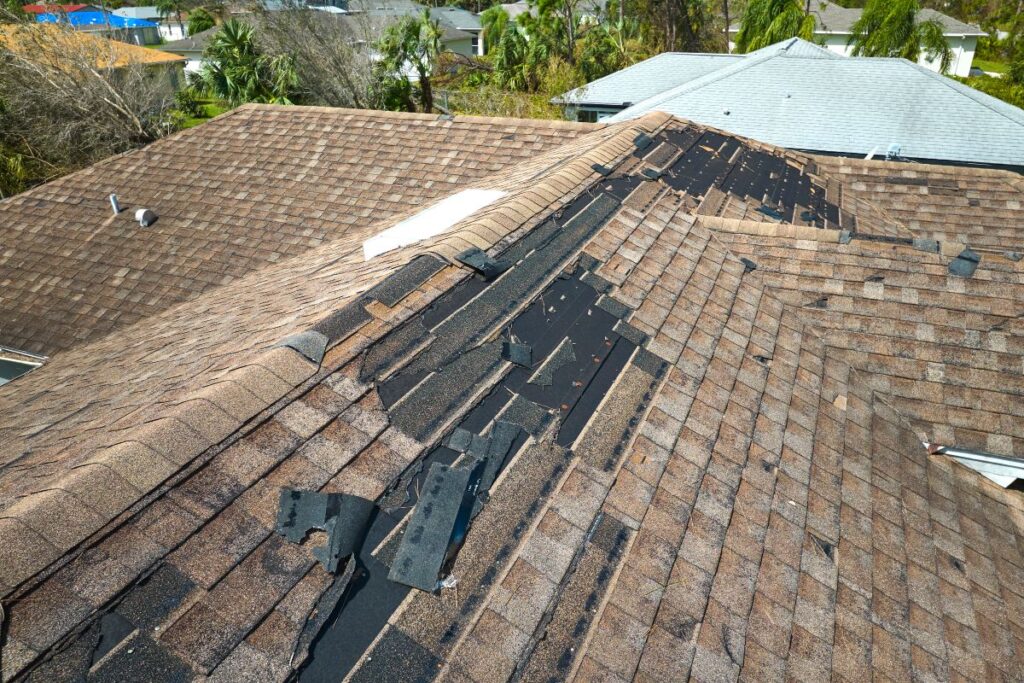
Homes near the coast face unique roofing challenges throughout hurricane season. High humidity, salt exposure, and frequent wind-driven rain can weaken roofing systems over time, especially if small problems go unnoticed. Even roofs that look fine from the ground may have hidden vulnerabilities. Loose shingles, lifted flashing, clogged gutters, and weakened sealants can all become major issues during a tropical storm or hurricane.
A trusted roofing contractor will typically recommend seasonal inspections before peak storm activity begins. Catching problems early gives homeowners time to make minor repairs before roofing crews become overwhelmed during emergency situations. Coastal storms often create hidden damage that worsens quickly once strong winds and heavy rain arrive.
Wind Damage Often Starts Small
Many homeowners assume hurricane roof damage only happens during major storms, but smaller weather events can gradually weaken roofing systems over time. Strong wind gusts may loosen shingles or flashing long before a hurricane warning is issued. Once roofing materials begin lifting, water can work underneath the surface and create leaks, wood rot, or mold issues inside the home.
Professional installation also plays a major role in how well a roof performs during severe weather. Roofing systems installed with proper fastening methods and quality materials are typically better equipped to handle hurricane season conditions.
Coastal Moisture Speeds Up Roof Wear
Humidity and salt air exposure are especially hard on metal components like flashing, fasteners, and roof vents. Coastal moisture can also accelerate algae growth and shorten the lifespan of older roofing materials. This is one reason many homeowners schedule annual roof inspections before hurricane season begins.
Many coastal properties are now upgrading to metal roofing systems because they provide impressive durability, longevity, and wind resistance in hurricane-prone environments.
7 Hurricane Season Roof Prep Tips for Homeowners
Preparing your roof ahead of hurricane season can reduce stress and help prevent expensive storm damage repairs later.
1. Schedule a Professional Roof Inspection
A roofing inspection helps identify weak spots that may not be visible from the ground. Contractors can check for:
- Loose shingles: Wind can easily tear up unsecured roofing materials.
- Damaged flashing: Gaps around chimneys, vents, and valleys often lead to leaks.
- Soft decking: Hidden moisture damage weakens the roof structure.
- Clogged drainage areas: Poor water flow increases leak risks during heavy rain.
Professional inspections are especially important for roofs older than 10 years.
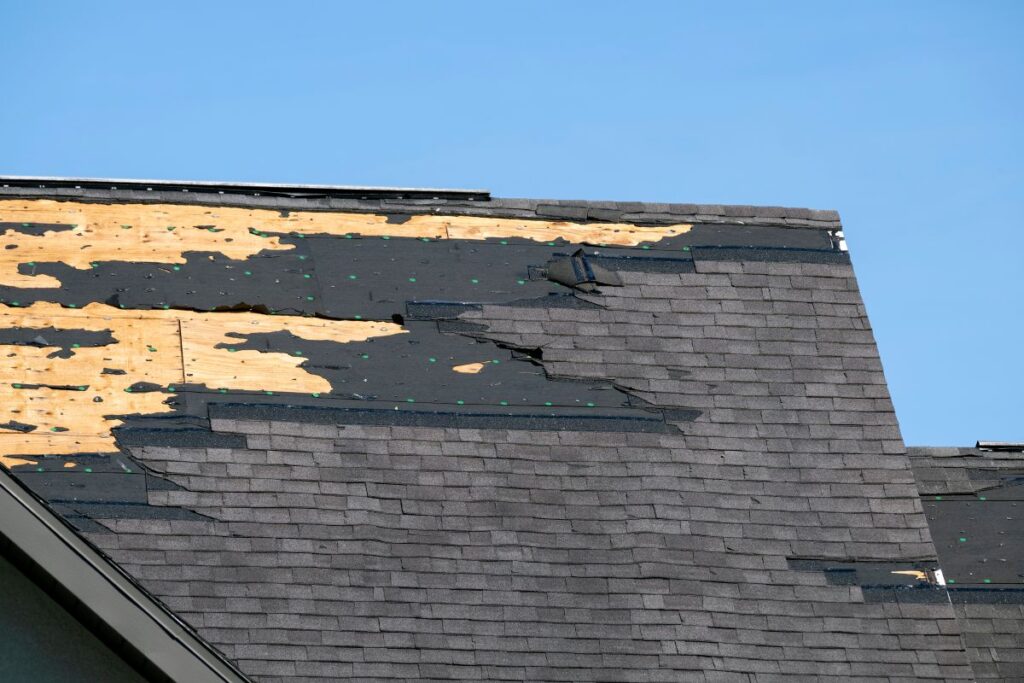
2. Replace Missing or Damaged Shingles
Even one missing shingle can allow water intrusion during heavy storms. Damaged shingles should be repaired quickly before tropical weather arrives. Asphalt shingles remain one of the most popular roofing choices in coastal North Carolina because they offer strong performance and affordability when properly installed with quality materials.
3. Secure Flashing and Roof Penetrations
Flashing protects the vulnerable areas around roof penetrations like skylights, chimneys, and vents. If flashing becomes loose or corroded, hurricane rains can quickly find their way into the attic. Contractors often reinforce flashing before storm season to improve water resistance.
4. Clean Gutters and Downspouts
Gutters help direct rainwater away from the roof and foundation. When gutters become clogged with leaves or debris, water can back up under roofing materials. Heavy coastal rainstorms can dump large amounts of water in a short period, so proper drainage is critical.
5. Trim Nearby Trees
Overhanging branches become dangerous during hurricanes. Strong winds can break limbs and send debris crashing onto the roof. Tree trimming also helps reduce leaf buildup in gutters and prevents excessive roof shading that contributes to algae growth.
6. Check Your Attic Ventilation
Proper attic ventilation helps regulate moisture and temperature inside the roofing system. Poor ventilation can weaken materials over time and contribute to mold or rot issues. A roofing contractor can evaluate whether your attic ventilation is sufficient for coastal weather conditions.
7. Create an Emergency Roof Repair Plan
Storm damage can happen even with proper preparation. Having a plan ahead of time helps homeowners act quickly if problems occur.
- Save contractor contact information: Reliable contractors book quickly after storms.
- Document your roof condition: Take photos before hurricane season starts.
- Review insurance coverage: Understand what your homeowner’s policy includes.
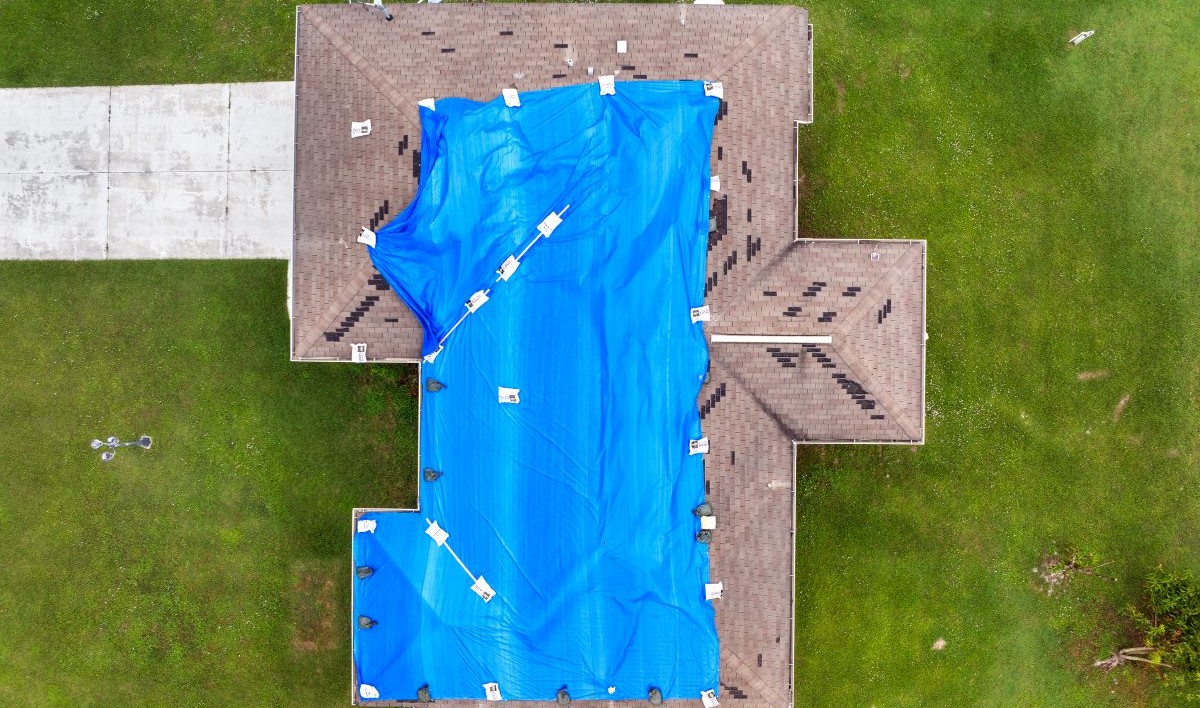
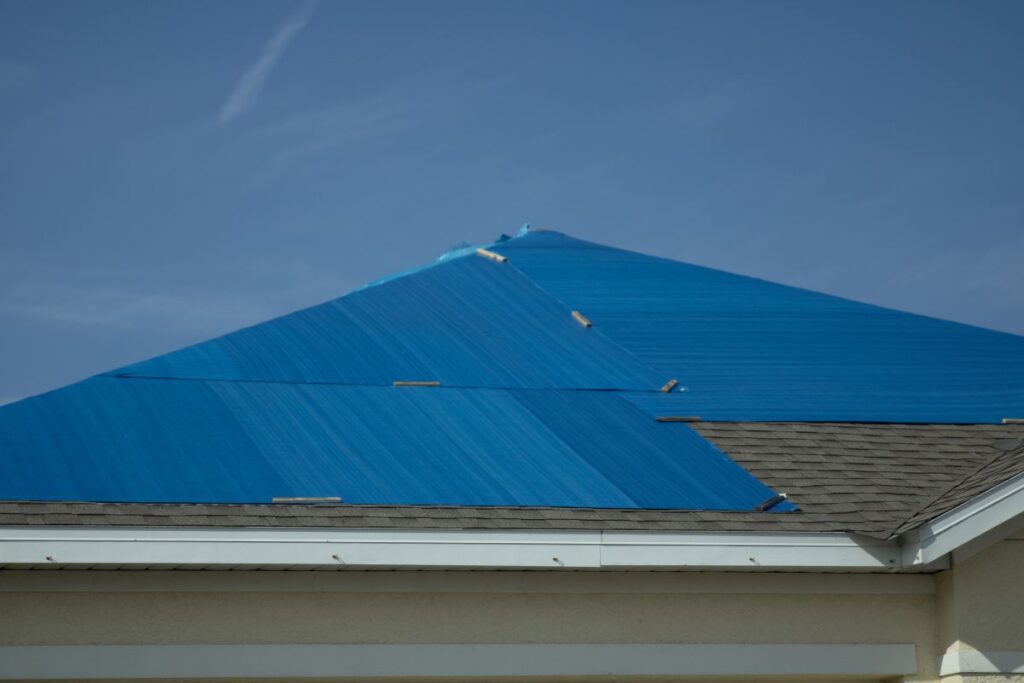
- Prepare temporary protection supplies: Tarps can help limit interior damage after storms.
Having a plan for storm damage restoration can also help homeowners reduce stress after severe weather. Fast action following hurricanes may help limit water intrusion and structural damage.
Common Roofing Materials for Hurricane-Prone Areas
Different roofing materials perform differently during severe weather. Homeowners often ask which systems provide the best protection for coastal conditions.
| Roofing Material | Wind Resistance | Lifespan | Popular Benefits |
| Asphalt Shingles | Moderate to High | 20 to 30 years | Affordable and versatile |
| Standing Seam Metal | High | 40 to 70 years | Excellent wind durability |
| Architectural Shingles | High | 25 to 35 years | Stronger than basic shingles |
| Low Slope Roofing Systems | Moderate | 20 to 30 years | Common for commercial roofs |
Standing seam metal roofing systems are becoming increasingly popular in coastal areas because they offer impressive wind resistance and durability during severe storms.
Signs Your Roof May Not Be Ready for Hurricane Season
Some warning signs should never be ignored before storm season begins.
Interior Water Stains
Brown spots on ceilings or walls may indicate roof leaks already exist. Hurricane rains can quickly make these leaks much worse.
Curling or Cracked Shingles
Shingles that curl, crack, or lose granules may no longer provide adequate protection against wind and water.
Sagging Roof Areas
A sagging roofline may point to structural issues or trapped moisture within the roofing system.
Rusted Metal Components
Corroded flashing or roof fasteners can weaken the roof’s ability to withstand hurricane-force winds.
According to the Federal Emergency Management Agency, strengthening a roof can significantly reduce hurricane damage risks during severe storms. Taking preventative action before hurricane season is one of the most effective ways homeowners can protect their property.
Coastal Roofing Maintenance Matters Year-Round
Hurricane preparation should not only happen when storms are approaching. Ongoing roof maintenance throughout the year helps extend roof lifespan and improve storm resistance. Simple preventative maintenance can often reduce the likelihood of major repairs later, especially in coastal areas where roofing systems face constant exposure to heat, humidity, wind, and salt air.
Homeowners who stay proactive usually spend less on emergency roofing issues over time. A strong maintenance routine may include:
- Annual roof inspections: Professional evaluations help identify hidden storm damage early.
- Routine gutter cleaning: Proper drainage prevents standing water and roof leaks.
- Sealant and flashing checks: Coastal weather can loosen protective materials over time.
- Tree maintenance: Trimming nearby branches reduces debris damage during storms.
- Attic ventilation reviews: Proper airflow helps prevent moisture buildup and premature wear.
We’re proud to serve home and business owners in Carolina Beach, NC, and nearby communities with hurricane season roof preparation tips and more.

Protect Your Home With Summit Roofing Company
When hurricane season approaches, working with a reliable roofing contractor can make all the difference. Summit Roofing Company focuses on quality craftsmanship, honest communication, and dependable roofing solutions designed for coastal North Carolina homes.
As a family owned company, Summit Roofing Company understands the importance of protecting your home before severe weather strikes. Whether you need a roof inspection, preventative maintenance, storm damage restoration, minor repairs, or a full roof replacement, their team is committed to delivering exceptional service and long-term value.
If you want peace of mind before the next major storm, contact Summit Roofing Company today to schedule a roof evaluation and prepare your home for hurricane season.