
 8 Min Read
 04/29/2026
Signs of Storm Damage & Solutions from a Myrtle Beach Roofing Contractor
Myrtle Beach roofing contractor professionals understand how quickly coastal storms can impact homes along the South Carolina shoreline. High winds, heavy rain, hail, and flying debris can all create roofing problems that worsen if left untreated. Even minor storm damage can eventually lead to leaks, mold growth, structural issues, and expensive repairs.
After severe weather passes, homeowners should pay close attention to:
- Visible roof damage: Missing shingles, dented metal, or fallen debris
- Interior warning signs: Water stains, moisture, or attic leaks
- Drainage problems: Overflowing gutters or standing water
- Hidden storm damage: Lifted shingles and flashing issues
- Repair timing: Fast inspections can prevent larger problems later
For Myrtle Beach homeowners, staying proactive after coastal storms is especially important because roofing systems face constant exposure to humidity, salt air, and hurricane season weather.
Why Storm Damage Is Common Along the Coast
Homes near the coast deal with more severe weather exposure than many inland properties. Strong winds, wind-driven rain, and sudden temperature changes can gradually weaken roofing materials over time. Even newer roofs may develop vulnerabilities after repeated storm exposure.
Environmental effects on roofing are especially noticeable in coastal climates. Salt air can corrode metal roofing components, intense UV exposure can dry out shingles, and heavy humidity may contribute to mold growth or moisture retention beneath roofing systems. Coastal storms only accelerate this wear and tear, making preventative maintenance extremely important for long-term roof performance.
Many NC roofing companies and coastal contractors recommend annual inspections because small roofing issues often go unnoticed until major storms arrive. Professional installation and regular maintenance can significantly improve how well a roof performs during hurricane season and severe weather events. Educating homeowners about preventative maintenance is one of the best ways contractors can help reduce long-term storm damage risks.
Wind Damage Often Happens First
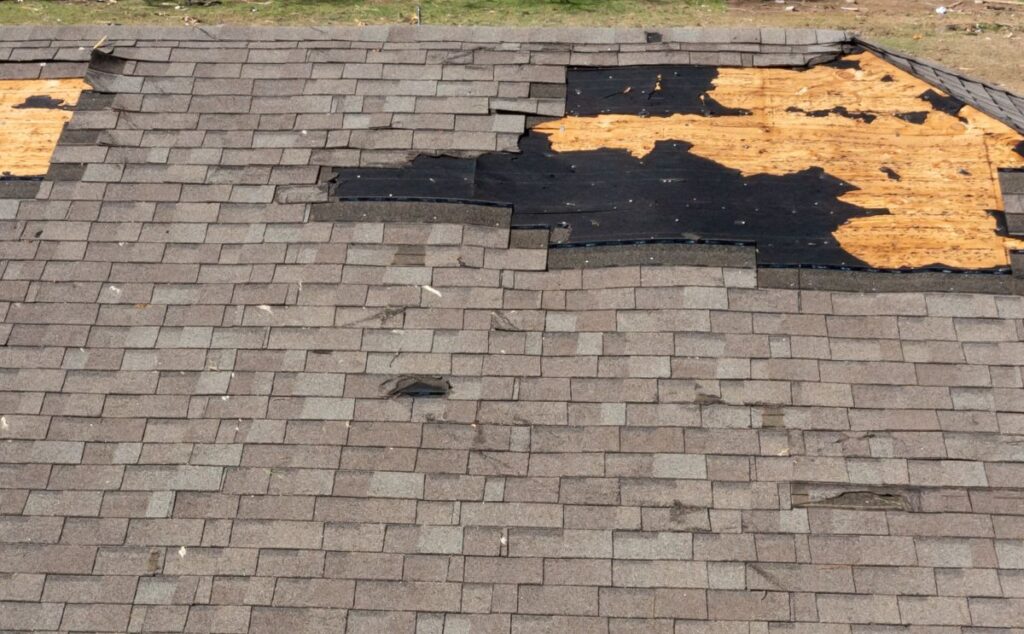
One of the most common forms of storm damage is wind uplift. Strong gusts can loosen shingles, flashing, or ridge caps, creating openings where water can enter the home. Once moisture gets underneath roofing materials, the damage can spread quickly.
Wilmington homeowners and Myrtle Beach property owners alike often experience roofing issues after tropical storms, even when there is no obvious damage from the ground.
Coastal Moisture Creates Long-Term Wear
Salt air and high humidity gradually wear down roofing materials over time. Metal components may corrode faster near the coast, while trapped moisture can weaken decking and attic ventilation systems. Coastal storms only accelerate these problems.
This is one reason many homeowners invest in metal roofing systems, asphalt shingles, and premium materials designed for coastal climates. Many newer roofing products are also more energy efficient, helping homeowners improve indoor comfort while protecting their homes from severe weather.
7 Signs Your Roof May Have Storm Damage
Storm damage is not always obvious immediately after severe weather. Some warning signs appear days or even weeks later.
1. Missing or Lifted Shingles
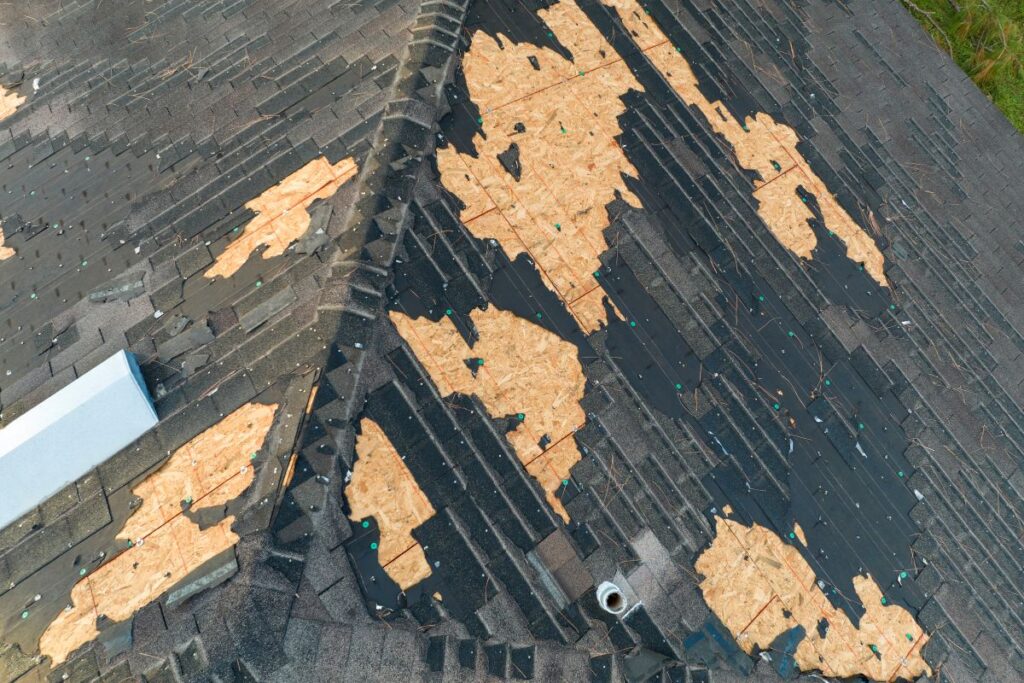
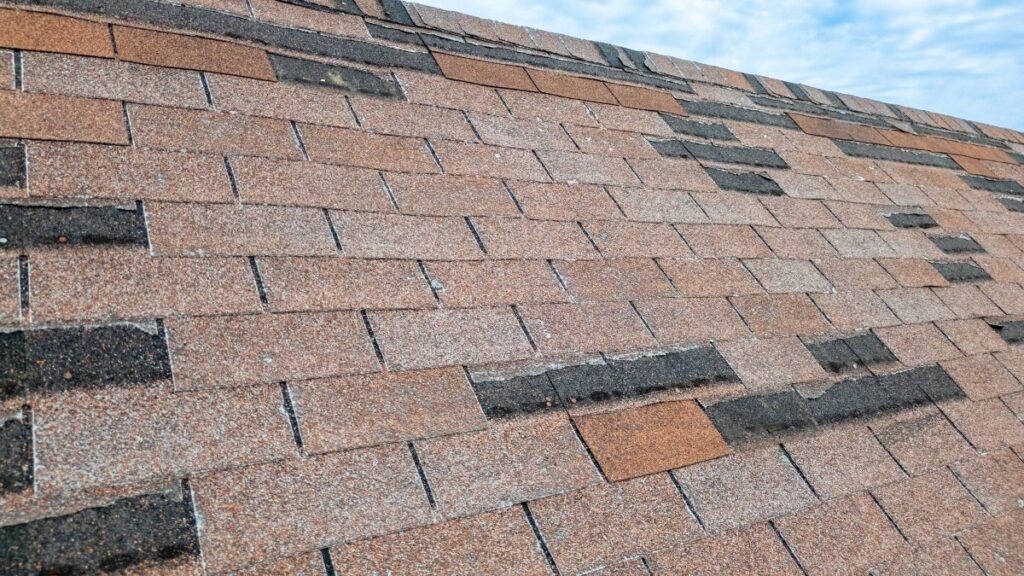
Missing shingles are one of the clearest signs of storm damage. High winds can loosen shingles or tear them away completely, exposing the roof underneath to moisture. Look for:
- Bare roof spots: Missing shingles leave exposed underlayment behind.
- Curled edges: Lifted shingles may no longer seal properly.
- Granule loss: Excess granules in gutters often signal shingle wear.
- Uneven roof appearance: Storm damage may create patchy roof sections.
Quick repairs help prevent water intrusion and additional damage.
2. Water Stains on Ceilings or Walls
Interior water stains are often a sign that roof leaks have already developed. Brown spots, bubbling paint, or damp drywall should never be ignored after severe weather. Leaks may begin as minor repairs but can quickly become larger structural problems if moisture spreads into insulation or framing materials.
3. Damaged Flashing or Roof Penetrations
Flashing protects vulnerable roof areas around chimneys, skylights, and vents. Strong winds can loosen or bend flashing, allowing rainwater into the attic. A roofing contractor can inspect these areas carefully for hidden storm-related damage during a free inspection.
4. Hail Damage on Roofing Materials
Hail can crack shingles, dent metal panels, and weaken protective roofing surfaces. Some hail damage may be difficult to spot from the ground, especially on darker roofing materials. Homeowners should schedule inspections after hailstorms even if damage is not immediately visible.
5. Sagging Roof Areas
A sagging roofline may indicate trapped moisture or structural weakening beneath the surface. Storm damage combined with prolonged moisture exposure can create dangerous roofing conditions over time.
6. Clogged or Detached Gutters
Heavy rain and flying debris can clog gutters or pull them away from the home. Poor drainage allows water to collect along roof edges and increases the risk of leaks. Proper drainage is especially important in areas prone to heavy coastal rainfall.
7. Debris Impact Damage
Falling branches and airborne debris frequently damage roofing systems during hurricanes and tropical storms. Even small impacts can crack shingles or loosen roofing components.
Storm Damage Solutions That Help Protect Your Home
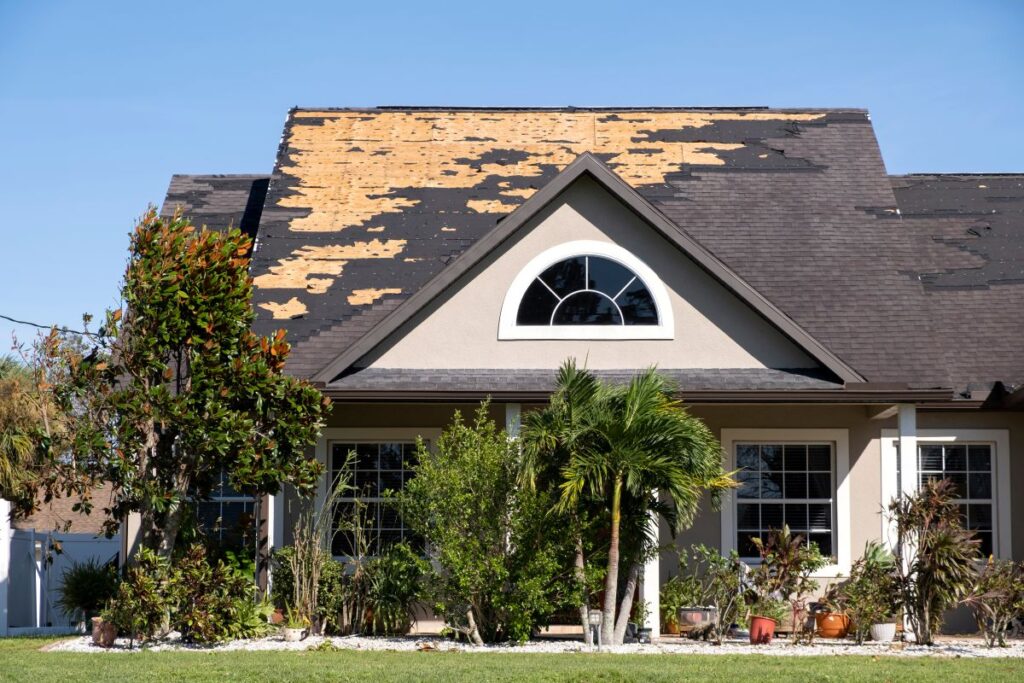
Addressing storm damage quickly can help homeowners avoid larger and more expensive roofing issues later.
Professional Roof Inspections
Roof inspections allow contractors to identify hidden storm damage before leaks worsen. Contractors can evaluate shingles, flashing, decking, ventilation, and drainage systems for signs of storm-related wear.
Professional installation and preventative maintenance often improve long-term roof performance in coastal climates. Many roofing services also include recommendations for energy efficient upgrades and premium materials that improve storm resistance.
Emergency Tarping and Temporary Repairs
If a roof experiences significant storm damage, emergency tarping may help reduce interior water intrusion until permanent repairs can be completed.
Temporary storm damage restoration solutions often include:
- Roof tarping: Helps prevent additional leaks
- Debris removal: Clears damaged roofing areas safely
- Minor repairs: Addresses immediate vulnerabilities
- Moisture mitigation: Reduces the risk of mold growth
Fast response times are especially important after hurricanes or tropical storms.
Roof Repairs vs. Roof Replacement
Some roofs only need targeted repairs after severe weather, while others may require full roof replacements depending on age and damage severity.
| Roofing Issue | Possible Solution | Typical Severity |
| Missing shingles | Minor repairs | Low to moderate |
| Flashing damage | Flashing replacement | Moderate |
| Widespread leaks | Full roof replacements | High |
| Structural sagging | Full roofing evaluation | Severe |
| Hail-damaged metal panels | Panel replacement | Moderate to high |
A trusted roofing contractor can explain whether repairs or replacement make the most sense based on the roof’s condition and long-term roofing project goals.
Choosing the Right Coastal Roofing Contractor
Not every roofing company understands the unique challenges coastal properties face. Choosing a contractor with experience handling environmental effects on roofing systems can make a major difference in the quality and durability of the finished project.
When comparing coastal contractor selection options, homeowners should look for:
- Experience with coastal storms: Contractors should understand hurricane-related roofing challenges.
- Knowledge of local materials: Coastal roofs require durable, weather-resistant products.
- Professional installation practices: Proper installation improves wind and moisture protection.
- Strong communication: Homeowners should feel informed throughout the roofing project.
- Warranty options: Reliable contractors stand behind their workmanship and materials.
Experienced contractors can also recommend energy efficient roofing systems and premium materials designed to withstand harsh coastal conditions.
Why Coastal Roofing Systems Need Extra Attention
Coastal weather creates ongoing stress for roofing systems year-round. Even outside hurricane season, roofing materials face constant exposure to heat, humidity, wind, and salt air.
Homeowners who invest in regular maintenance and quality materials often experience fewer emergency roofing problems over time. Routine roof maintenance may include:
- Annual inspections: Catching problems before storms worsen them
- Gutter cleaning: Improving roof drainage during heavy rainfall
- Sealant checks: Preventing leaks around flashing and penetrations
- Attic ventilation reviews: Reducing moisture buildup and heat retention
- Tree trimming: Minimizing debris risks during storms
Many homeowners in North Myrtle Beach and surrounding coastal areas also choose metal roofing systems because they provide excellent durability and wind resistance for coastal properties. We’re proud to serve home and business owners in Myrtle Beach, SC, and nearby communities with storm damage restoration services and more.
Protect Your Home With Summit Roofing Company
When storms impact your home, working with an experienced roofing contractor can make the recovery process much easier. Summit Roofing Company focuses on honest communication, fast response times, and quality services designed for coastal environments.
As a family owned company, Summit Roofing Company understands the importance of protecting homes from severe weather and helping homeowners feel confident throughout the roofing project process. Whether you need a free inspection, storm damage restoration, minor repairs, asphalt shingles, premium materials, or full roof replacements, their team is committed to delivering dependable roofing services and long-lasting results.
If your roof may have storm damage after recent coastal storms, contact Summit Roofing Company today to schedule a roof evaluation and protect your property before problems worsen.