
 8 Min Read
 06/03/2026
Hail Damage Roof Repair: 9 Signs Your Roof May Be Failing After Storm Impact
Hail damage roof repair is often necessary after severe weather, even when a roof appears intact from the ground. Hail can loosen shingles, damage flashing, compromise protective granules, and create vulnerabilities that lead to leaks and premature roof deterioration. Because some storm damage is difficult to spot, homeowners may not realize their roof has been affected until problems begin appearing weeks or months later.
After a hail storm, it’s important to understand what signs to look for and how damage can affect the long-term performance of your roofing system. Even minor hail impacts can shorten a roof’s lifespan when left unaddressed. Understanding how hail affects residential roofing systems can help homeowners identify problems early and make informed decisions about repairs. Whether you’re dealing with roof hail damage, missing shingles, or concerns about working with an insurance company, recognizing the warning signs early can help minimize repair costs and prevent additional hail storm damage.
- Hidden Damage: Hail damage is not always visible from the ground.
- Long-Term Effects: Small impacts can create lasting roofing issues.
- Leak Prevention: Damaged shingles may become vulnerable to water intrusion.
- Lower Repair Costs: Early repairs can help prevent larger expenses.
- Professional Evaluation: Thorough inspections often identify hidden storm damage.
We’re proud to serve homeowners throughout coastal North Carolina with roofing solutions designed to protect homes from severe weather and seasonal storms.
Why Hail Damage Is Often Missed
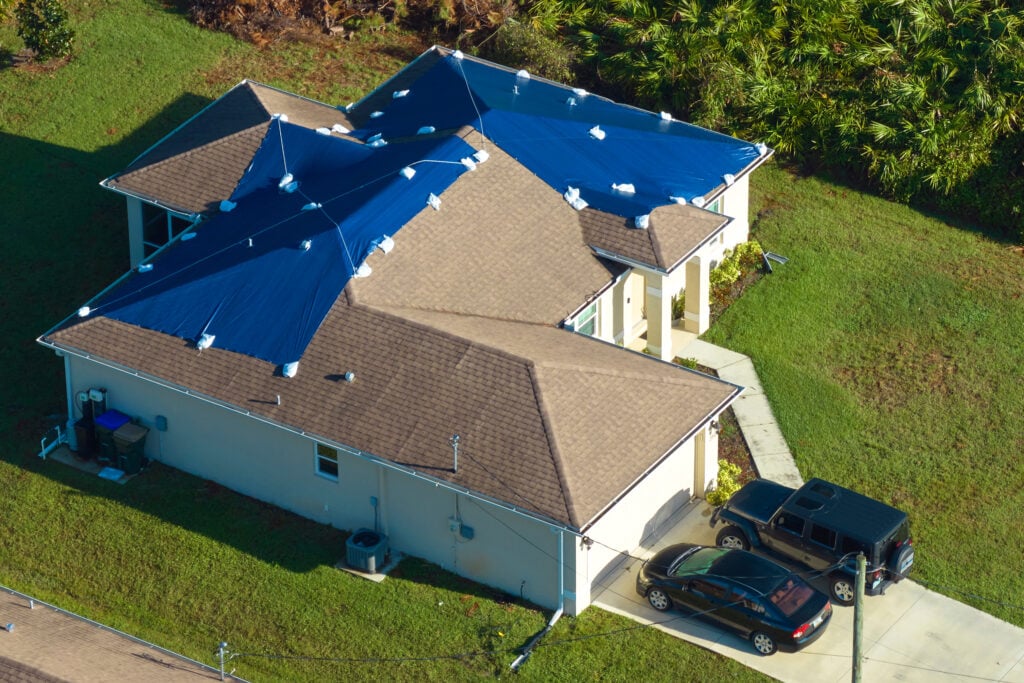
Unlike wind damage, hail damage is not always obvious immediately after a storm. Many forms of hail damage affect the protective layers of roofing materials rather than causing visible holes or missing sections.
As a result, homeowners may assume their roof escaped damage when hidden issues are actually developing beneath the surface. Over time, those weakened areas can become leak points and contribute to premature roof aging. In many cases, homeowners do not discover roof storm damage until a roof leak, ceiling stain, or other sign of water intrusion appears.
According to the Insurance Institute for Business & Home Safety, there are approximately 3,000 hailstorms annually in the U.S., resulting in average insured losses of $1.6 billion — and while the average lifespan of some roofs is 20 years, roofs in severe hail-prone areas often must be replaced every 7 to 10 years, making prompt post-storm inspections essential.
9 Signs Your Roof May Be Failing After Hail Impact
Not every roof responds to hail the same way. Factors such as roofing material, roof age, hail size, storm intensity, and previous weather exposure all influence the extent of damage. Understanding these warning signs can help homeowners determine whether hail damage roof repair may be necessary.
1. Bruised or Dented Shingles
One of the most common signs of hail damage is bruising on asphalt shingles. Hail impacts can weaken the shingle surface and damage the underlying material without completely breaking it.
- Shingle Bruising: Soft spots may develop on shingles.
- Granule Loss: Protective granules are often displaced.
- Hidden Problems: Damage may not be visible from the ground.
2. Missing Shingle Granules
The protective granules on asphalt shingles help shield the roof from UV exposure and weathering. Hail can dislodge these granules, exposing the underlying material and increasing the risk of future roofing issues.
- Gutter Buildup: Granules may collect in gutters and downspouts.
- Exposed Materials: Dark patches can develop on shingles.
- Faster Aging: Granule loss can accelerate deterioration.
3. Damaged Flashing
Flashing around chimneys, vents, skylights, and roof transitions can sustain hail damage even when shingles appear relatively unaffected. Damaged flashing is a common source of roof leaks after storms.
- Visible Dents: Metal components may show impact marks.
- Water Intrusion: Damaged flashing can allow leaks.
- Weakened Protection: Small impacts can compromise waterproofing.
4. New Water Stains Inside the Home
Interior water stains are often one of the first indicators that roofing damage has progressed beyond the exterior surface.
- Ceiling Stains: Discoloration may indicate active leaks.
- Moisture Migration: Water can spread behind walls.
- Delayed Symptoms: Stains often appear weeks after a hail storm.
5. Cracked or Split Shingles
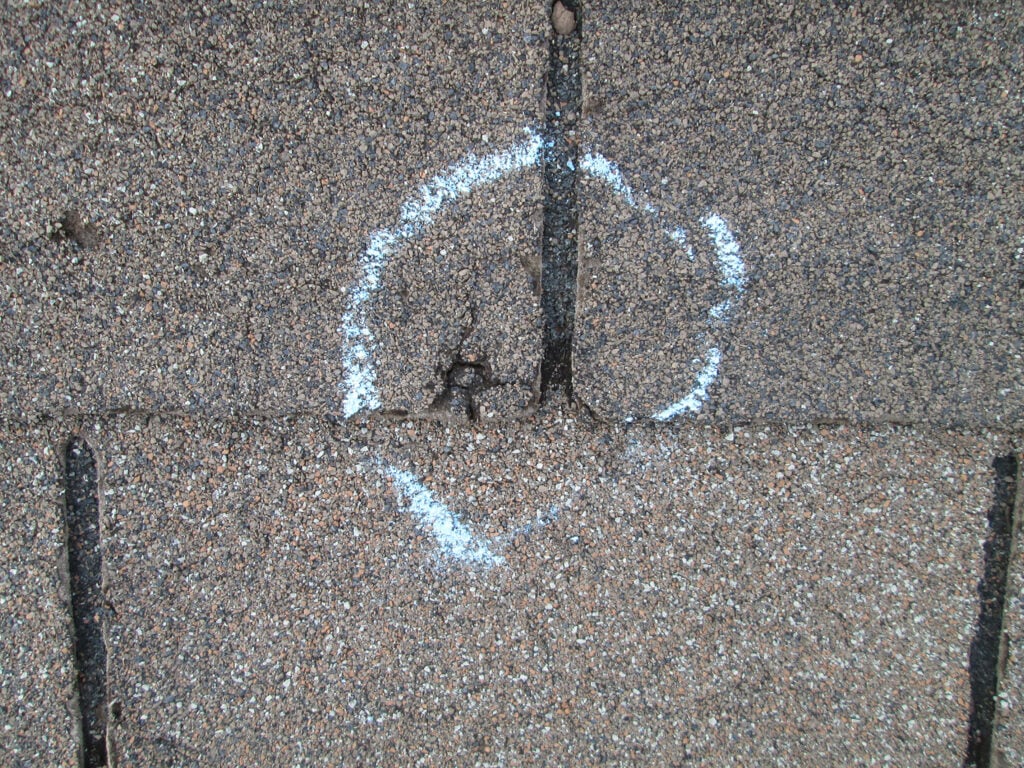
Larger hailstones can crack shingles outright, creating direct pathways for water intrusion and accelerating roof deterioration.
- Visible Cracks: Shingles may split after severe impacts.
- Wind Vulnerability: Damaged shingles can loosen more easily.
- Water Exposure: Moisture can reach underlying components.
6. Damaged Roof Vents and Accessories
Roof vents, pipe boots, skylights, and other roofing accessories often show signs of hail damage before the roofing field itself.
- Accessory Damage: Dents may appear on exposed metal.
- Cracked Components: Plastic materials can fracture.
- Leak Risks: Damaged accessories may allow water intrusion.
7. Dented Gutters and Downspouts
Gutters and downspouts frequently show visible evidence of hail impacts. Their condition can provide clues about potential roof damage.
- Impact Evidence: Dents often indicate significant hail activity.
- Drainage Concerns: Damage can affect water management.
- Roof Clues: Gutter damage may signal roofing issues above.
8. Exposed Roofing Underlayment
When hail damage becomes severe enough to displace roofing materials, the underlayment beneath the roof can become exposed to the elements.
- Moisture Exposure: Underlayment becomes vulnerable to water.
- Accelerated Wear: Additional weather exposure worsens damage.
- Urgent Repairs: Prompt action helps prevent larger issues.
9. Increasing Roofing Problems After a Storm
Sometimes hail damage reveals itself through recurring roofing issues rather than obvious impact marks.
- Recurring Leaks: New water intrusion may develop.
- Frequent Repairs: Problems may continue appearing.
- Premature Deterioration: Roofing materials may age faster than expected.
How Hail Damage Affects Different Roofing Materials
Not all roofing materials respond to hail in the same way. Some materials absorb impact better, while others are more prone to visible damage. Understanding how your roofing system responds to hail can help determine whether roof repair, storm damage repair, or a complete roof replacement may be necessary.
Asphalt Shingles
- Granule Loss: A common sign of hail impacts.
- Surface Bruising: Weakens the protective layer.
- Cracking Risk: Larger hailstones can split shingles.
Metal Roofing
- Cosmetic Damage: Dents can affect appearance.
- Component Stress: Fasteners and seams may be impacted.
- Functional Concerns: Severe storms can still cause damage.
Tile Roofing
- Broken Tiles: Hail can crack individual pieces.
- Underlayment Exposure: Damage may expose lower layers.
- Targeted Repairs: Issues are often isolated to specific areas.
What Happens During a Hail Damage Roof Inspection?
A professional roof inspection helps determine whether hail damage is present and how severely the roofing system has been affected. Experienced roofing contractors use safety equipment and specialized inspection techniques to thoroughly evaluate the roof without creating additional damage.
Inspectors typically evaluate:
- Roofing Materials: Shingles, metal panels, or tile surfaces.
- Flashing Systems: Chimneys, skylights, and roof penetrations.
- Drainage Components: Gutters and downspouts.
- Roof Accessories: Vents, boots, and other exposed elements.
- Interior Indicators: Signs of moisture intrusion or leaks.
Many homeowners schedule a free roof inspection after a hail storm to determine whether repairs are needed and whether documentation should be submitted to their insurance company.
Why Delaying Hail Damage Roof Repair Can Be Costly
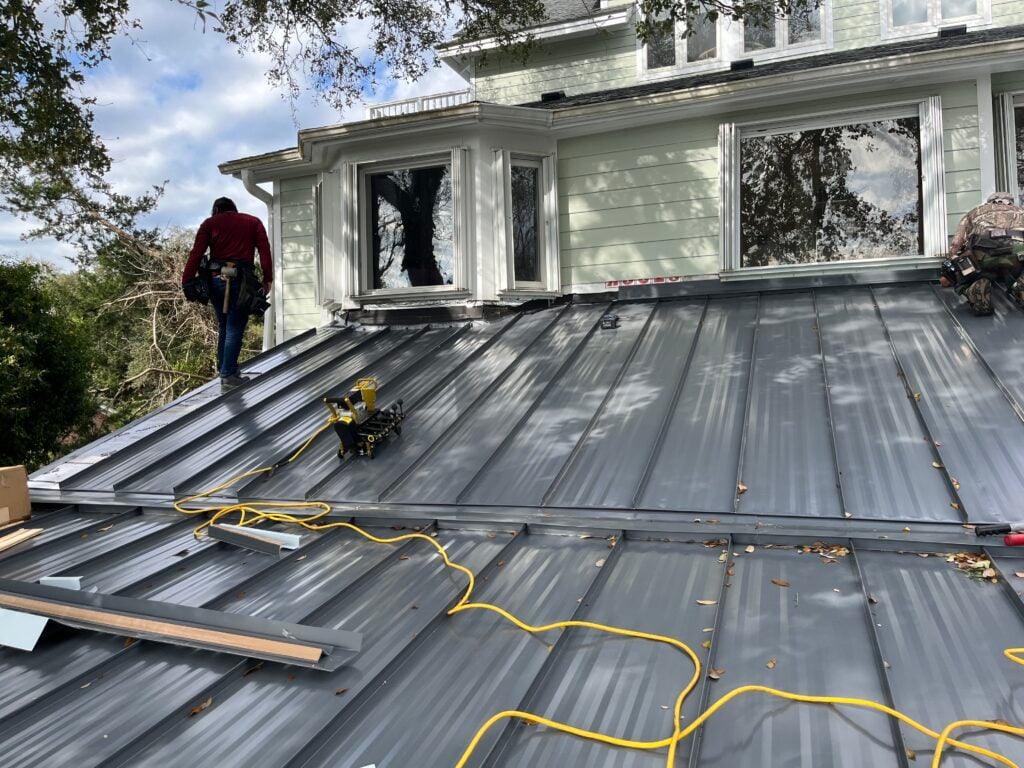
Many homeowners postpone repairs when hail damage appears minor. Unfortunately, roofing damage often worsens over time as the roof continues to face rain, wind, sunlight, and temperature fluctuations.
What starts as minor surface damage can eventually contribute to leaks, moisture intrusion, structural concerns, and more extensive roofing repairs. Addressing issues early is often more affordable than waiting until damage spreads.
- Repair Escalation: Small problems can become major repairs.
- Moisture Intrusion: Water can affect roof decking.
- Interior Damage: Ceilings and walls may become affected.
- Higher Costs: Delayed action often increases expenses.
Frequently Asked Questions About Hail Damage Roof Repair
Homeowners often have questions after a hail storm, especially when damage is not immediately visible. Understanding the inspection, repair, and insurance process can help you make informed decisions after severe weather.
How soon should a roof be inspected after a hail storm?
A roof inspection should ideally be scheduled within days after a hailstorm. Early inspections help identify damage before it worsens and provide documentation if an insurance company becomes involved.
Will hail damage always cause roof leaks?
Not immediately. Many forms of hail damage weaken roofing materials first, allowing leaks to develop over time as the roof continues to experience weather exposure.
Can hail damage lead to a complete roof replacement?
Yes. If hail storm damage is widespread or affects multiple roofing components, a complete roof replacement may be recommended instead of localized repairs.
Should I contact my insurance company after hail damage?
If you suspect significant storm damage, it may be beneficial to schedule a professional inspection first. Documentation from experienced roofing contractors can help support conversations with your insurance company.
Protect Your Home With Help From Summit Roofing
Hail damage is not always obvious, but even seemingly minor impacts can affect the long-term performance of a roofing system. Understanding the warning signs of storm-related damage can help homeowners take action before small issues become larger problems.
Whether you’ve noticed missing granules, damaged shingles, roof leaks, hail storm damage, or simply want peace of mind after a recent storm, Summit Roofing is here to help. Contact our team to schedule an inspection and learn whether hail damage roof repair is needed to protect your home.