
 7 Min Read
 08/12/2026
Roof Insurance Claim: 6 Steps to Get Approved After Storm or Hail Damage
Filing a roof insurance claim can feel overwhelming, especially right after a storm has already turned your week upside down. The good news is that the roof insurance claim process for most wind claims and hail claims follows a predictable path toward an insurance payout under a standard homeowners insurance policy, and knowing the steps ahead of time makes the whole process much less stressful.
Here’s a quick look at what the process generally involves:
- Documenting the damage before anything gets cleaned up or repaired
- Reviewing your homeowners insurance policy so you know what’s actually covered
- Getting a professional inspection to support your claim
- Working with your adjuster and contractor to reach a fair settlement
If a recent storm has left your roof in question, our storm damage repair team can inspect your roof and help you understand exactly what you’re dealing with before you file.
Why Roof Insurance Claims Get Denied or Delayed
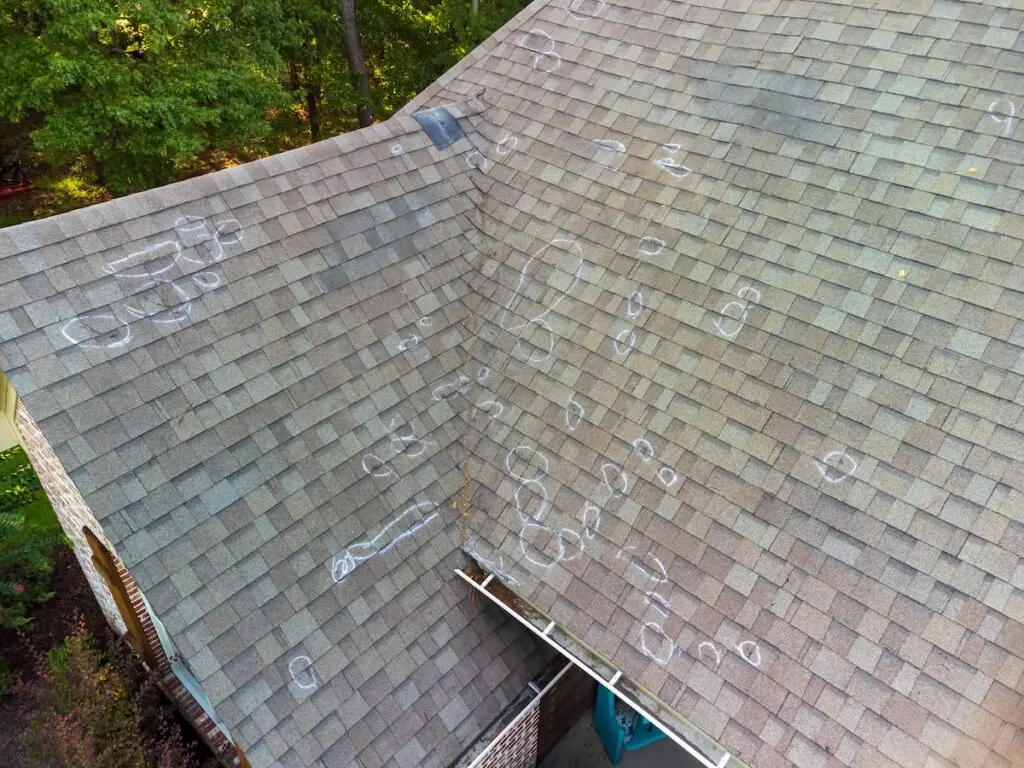
Most roof insurance claims run into trouble for the same handful of reasons: missing documentation, damage that isn’t clearly tied to a specific weather event, or a claim that was filed too late. Claims lacking sufficient documentation are one of the most common reasons insurance companies push back on a payout. Insurance adjusters aren’t necessarily looking for reasons to deny a claim, but they do need solid evidence connecting the damage to a covered storm before they can approve one.
Many insurers also require a signed proof of loss form to finalize a claim, so missing that paperwork step can delay an otherwise straightforward settlement. If you feel like your insurance company isn’t giving your claim a fair shake, a public adjuster, who represents your interests rather than the insurer’s, can be brought in to help negotiate on your behalf.
That’s why the steps below exist in a specific order. Skipping ahead, like calling a contractor before documenting the damage, or filing a claim before getting an inspection, can weaken your case even when the damage itself is completely legitimate.
6 Steps to Getting Your Roof Insurance Claim Approved
Following these steps in order gives you the best shot at a smooth approval and a fair settlement.
1. Document the Damage Immediately
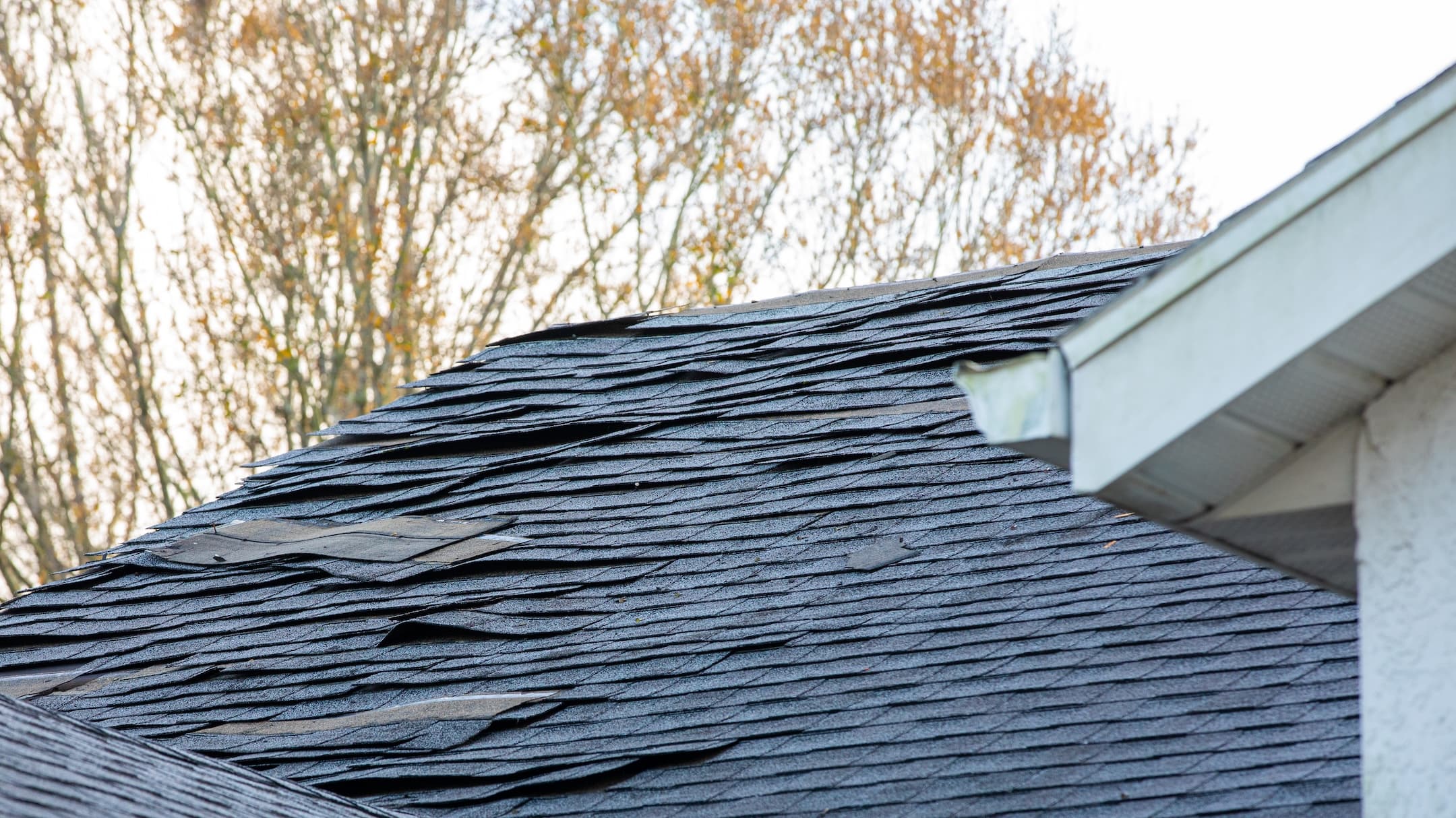
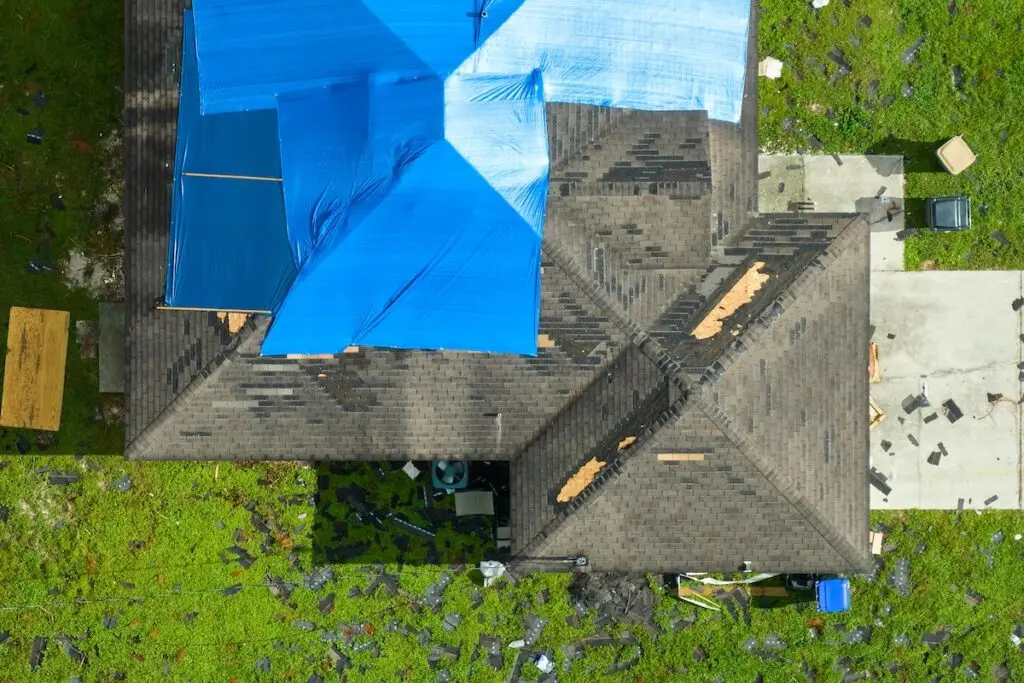
Before anything else, take photos and video of the damage from the ground and, if it’s safe, from a ladder. Capture wide shots of the whole roof along with close-ups of specific problem areas, including any roof leak that’s already made its way inside.
- Photograph missing or damaged shingles, dented vents, and bent flashing
- Note the date and approximate time of the storm that caused the damage
- Keep any debris, like broken shingle pieces, until the adjuster has seen it
2. Review Your Policy and File the Claim Promptly
Before you file, take a few minutes to understand what your insurance coverage actually includes. Wind and hail are commonly covered perils, but deductibles, exclusions, and payout structures vary by carrier and insurance provider. Confirming what roof damage is covered before you file helps set the right expectations for your settlement. Once you have a general understanding of your coverage, file the claim as soon as possible. Most insurance policies require timely claims after storm damage, and waiting too long can complicate or even jeopardize your case.
- Check whether your policy pays actual cash value or full replacement cost
- Confirm your deductible amount for wind or hail-specific claims
- Have your policy number, the storm date, and claim details ready when you call
3. Get a Professional Roof Inspection
A licensed roofing contractor can identify damage that isn’t obvious to an untrained eye and provide documentation that carries weight with your insurance provider.
- Ask for a written inspection report with photos
- Request that the report specifically note storm-related damage versus general wear
- Keep a copy of the report for your own records
4. Meet with the Insurance Adjuster
The adjuster’s visit is a key part of the process. Being present, and having your contractor there if possible, helps ensure nothing gets missed.
- Walk the roof with the adjuster if it’s safe to do so
- Share your documentation and inspection report during the visit
- Take notes on what the adjuster identifies as covered damage
5. Get Repair Estimates from a Licensed Contractor
Once the adjuster’s assessment is in, it’s worth getting an independent estimate from a roofing contractor to compare against the insurance company’s scope of work.
- Confirm the estimate accounts for all the damage identified in your inspection
- Ask questions if the insurance estimate seems lower than your contractor’s quote
- Choose a contractor who is comfortable working directly with your insurance company
6. Understand Your Settlement and Payment Schedule
Once your claim is approved, you’ll receive a settlement based on your policy type. Replacement cost value claims are typically paid in two installments, an initial payment followed by a final payment once repairs are complete, so understanding this schedule helps you plan around it.
- Confirm whether you’re being paid actual cash value or full replacement cost
- Ask about any recoverable depreciation you can claim after repairs are complete
- Submit your proof of loss form and keep all settlement paperwork until repairs are fully finished
What to Expect After You File
Once your claim is moving through the system, most homeowners can expect an adjuster visit within a week or two, followed by a settlement offer shortly after. Storm and hail damage is common enough that most insurance companies have well-established processes for handling these claims. In fact, about one in 36 insured homes files a property damage claim related to wind or hail each year, according to the Insurance Information Institute, so your claim is far from unusual.
Having a roofing contractor in your corner during this process, one who can speak the same language as the adjuster and back up your documentation, often makes the difference between a quick approval and a drawn-out dispute.
Roof Insurance Claims: Questions Homeowners Ask Most
Filing a claim raises plenty of practical questions along the way. Here are straightforward answers to the ones we hear most often.
How long do I have to file a roof insurance claim after storm damage?
It varies by state and policy, but most insurers expect claims to be filed within a reasonable window, often 30 days to a year. Filing as soon as possible after the damage occurs is always the safer choice.
Will my insurance premium go up if I file a claim?
It’s possible, though a single weather-related claim typically has less impact than claims tied to negligence or repeated losses. Your agent can give you specifics based on your policy and claims history.
What if my claim gets denied?
You can request a written explanation for the denial and appeal the decision with additional documentation, such as a more detailed contractor report. A public adjuster or a second opinion from an independent roofing contractor can also help identify damage the original adjuster may have missed.
Do I need a contractor present for the adjuster’s visit?
It’s not required, but it’s a good idea. A contractor who’s familiar with storm damage claims can point out issues the adjuster might overlook and help make sure the final scope of work is accurate.
Schedule Your Free Roof Inspection Today
If you’re dealing with storm or hail damage and aren’t sure where to start, Summit Roofing can help. We’ll inspect your roof, document what we find, and give you the information you need to file a strong claim.
Contact Summit Roofing today to schedule your free, no-obligation inspection.