
 8 Min Read
 08/28/2026
Siding Replacement Contractors: 6 Questions To Ask Before Hiring
Choosing the right person to replace your siding matters just as much as choosing the right material. A good installation protects your home for decades, while a rushed or careless one can lead to moisture problems, energy loss, and a finished product that looks the part but doesn’t perform. Knowing what to ask siding replacement contractors before signing anything helps you avoid a costly mismatch.
Here’s a quick look at what we’ll cover:
- Questions that confirm licensing, insurance, and legitimacy
- Questions about siding materials and what a real estimate should include
- Questions about warranties, payment, and what happens if something goes wrong
- Why asking these questions upfront saves headaches later
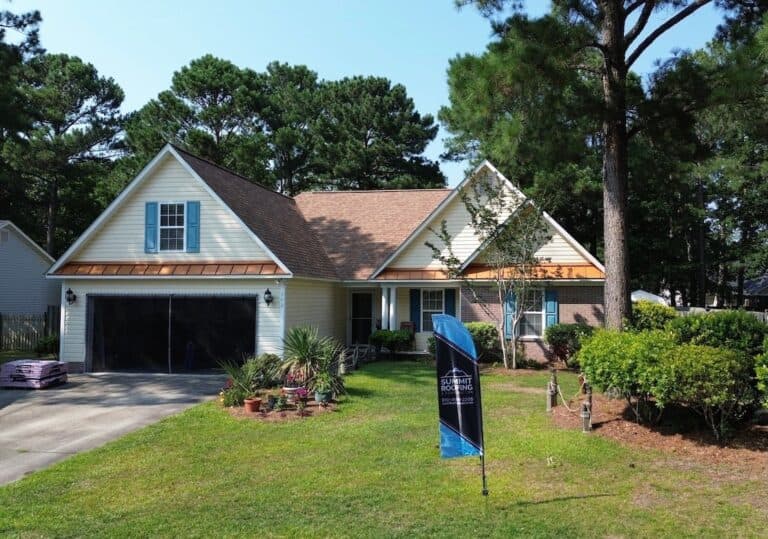
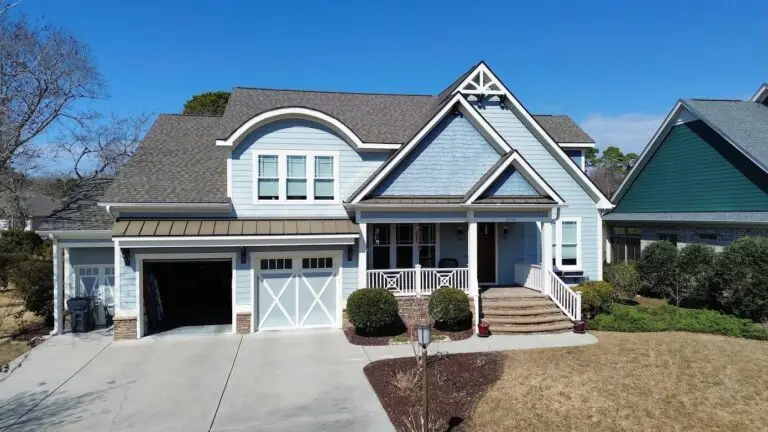
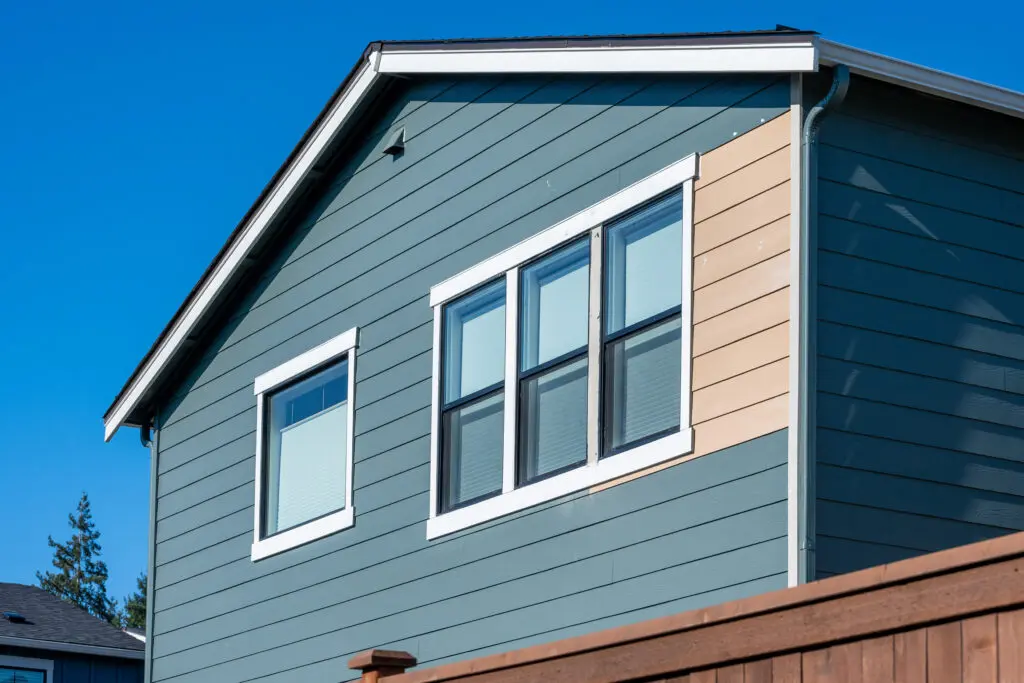
If you’re comparing quotes for an upcoming project, seeing examples of finished siding work is a good way to get a feel for quality before you even start interviewing contractors.
Why These Questions Matter
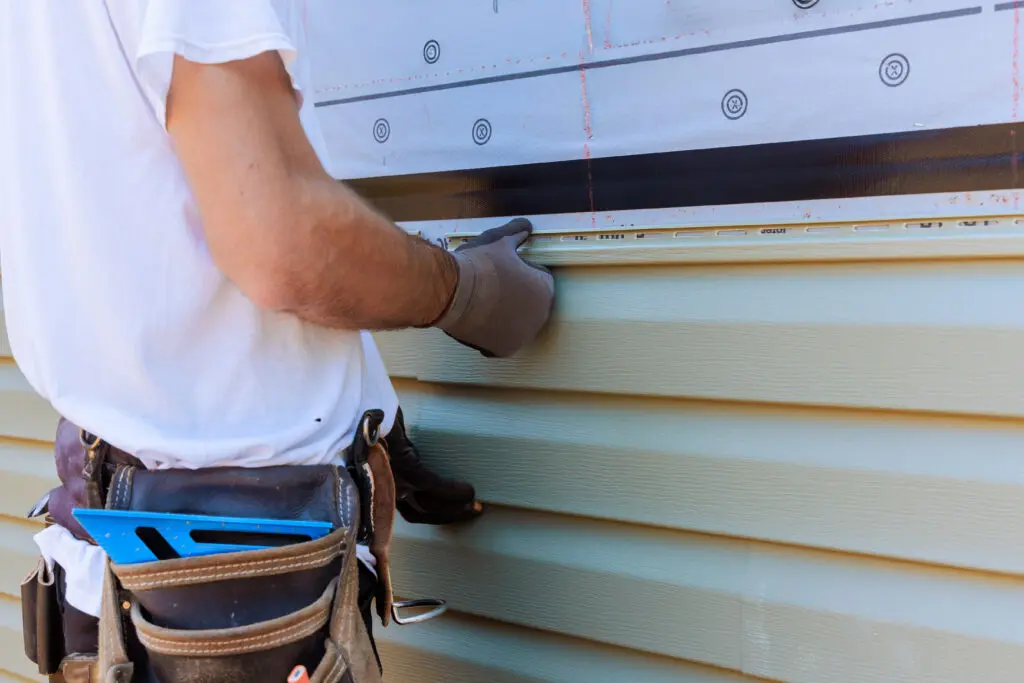
Siding replacement is a significant investment, and the contractor you choose has just as much influence over the outcome as the material itself. Vague answers, reluctance to provide documentation, or pressure to decide quickly are all signs worth paying attention to. Whether you need a full siding installation or targeted siding repair, a reputable local siding contractor offering a full range of siding services should be comfortable walking you through their process in detail. Asking the same set of questions across every contractor you talk to also makes it much easier to compare quotes apples to apples, rather than guessing at what’s actually included in each bid.
6 Questions to Ask Before Hiring a Siding Contractor
Here’s what to ask before you commit to any siding replacement contractor.
1. Are You Licensed and Insured?
This is the first question to ask, and a legitimate contractor should answer it without hesitation.
- Ask for their license number and verify it with your state or local licensing board
- Request proof of both liability insurance and workers’ compensation coverage
- Confirm whether any subcontractors on the job carry the same coverage
- Be cautious of any contractor who resists providing this information
2. Can You Provide References or Examples of Recent Work?
Recent, local references give you a much clearer picture than a generic portfolio.
- Ask for at least two or three references from jobs completed in the past year
- Request to see photos or addresses of recently completed local projects, especially any new siding installation projects similar to yours
- Ask whether the siding installers on-site will be employees or subcontractors
- Follow up with references and ask about their overall experience, not just the finished product
3. What Siding Materials Do You Recommend, and Why?
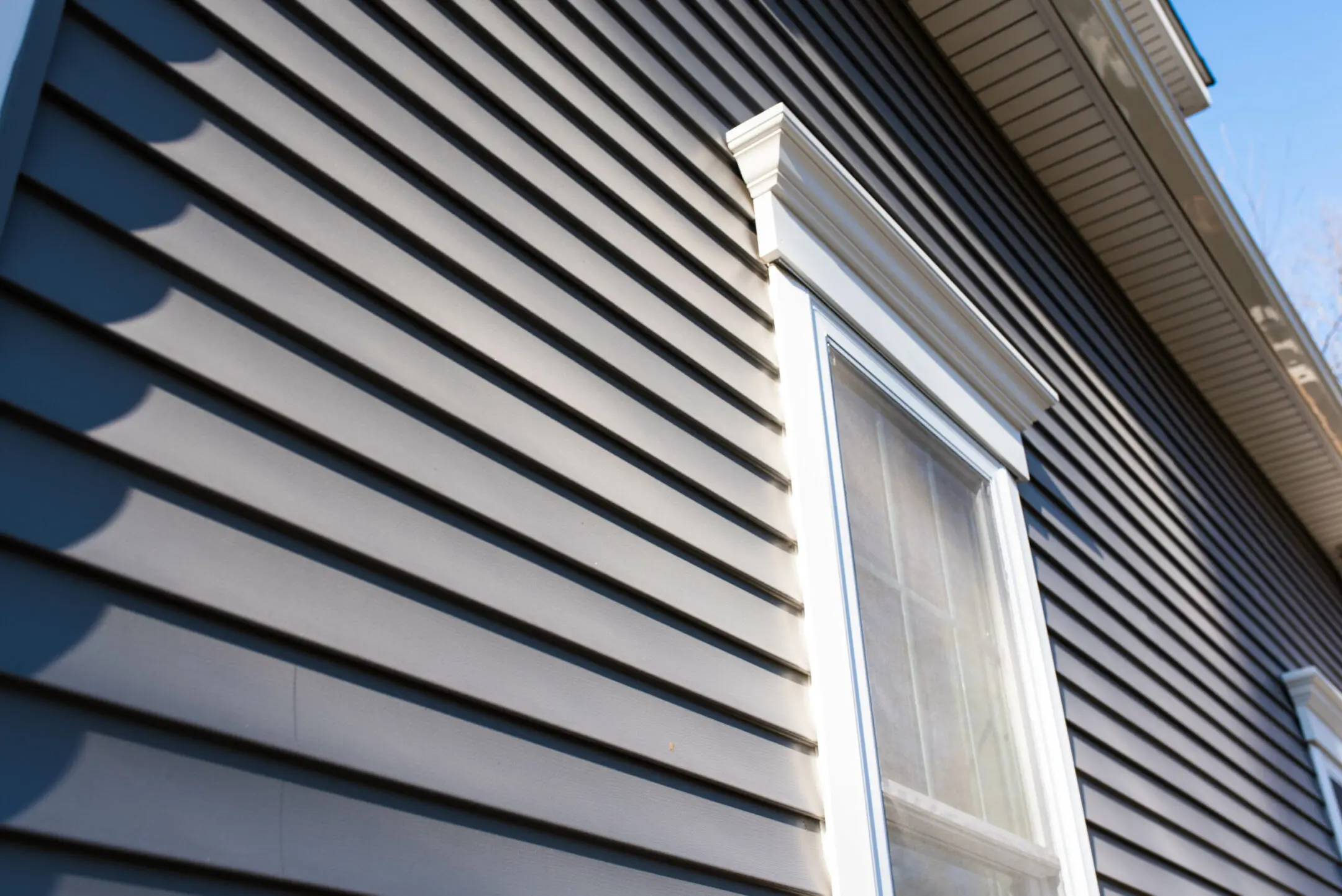
A good contractor will explain the tradeoffs between materials rather than pushing whatever is most profitable for them. Vinyl siding is affordable and low maintenance, while fiber cement siding is durable and fire-resistant, and a good contractor should be able to explain which tradeoffs matter most for your specific home.
- Ask about the pros and cons of vinyl siding, fiber cement, wood siding, and metal siding for your specific home
- Ask whether they install James Hardie siding or other trusted siding materials brands, and why they’d recommend one over another
- Ask how each material performs in your local climate
- Ask how they typically handle unexpected repairs, like rot, discovered during removal
- Be wary of a contractor who only offers one option without explanation
4. Do You Offer a Written, Itemized Estimate?
A detailed estimate protects both you and the contractor by setting clear expectations upfront.
- Confirm the estimate includes materials, labor, a project timeline, and any required permits
- Ask what would cause the final price to change from the original estimate
- Ask how they protect landscaping, windows, and walkways during the project
- Never proceed on a verbal quote alone
5. What Does Your Warranty Cover, and for How Long?
Warranties vary significantly between contractors and manufacturers, so it’s worth understanding both.
- Ask about the manufacturer’s warranty on materials versus the contractor’s workmanship warranty
- Confirm what specifically voids the warranty
- Ask how they handle punch-list items or disputes if you’re not satisfied with the finished work
- Get warranty terms in writing, not just a verbal assurance
6. How Do You Handle Payment Schedules and Deposits?
Payment structure is one of the clearest indicators of a contractor’s legitimacy.
- Ask about the deposit amount and when subsequent payments are due
- Confirm the final payment isn’t due until the work is complete and approved
- Ask for written copies of license numbers and insurance certificates to keep with your paperwork
- Be cautious of any contractor requesting full payment upfront
Red Flags to Watch For While Asking
Beyond the direct answers to these six questions, pay attention to how a contractor responds. The way they handle the conversation often tells you as much as the answers themselves.
- Hesitation or vague answers around licensing and insurance
- Pressure to sign a contract immediately or lock in a “today only” price
- Reluctance to put anything in writing, including the estimate itself
- Requests for full payment upfront or cash-only arrangements
- An unwillingness to provide local references from recent jobs
None of these signs alone necessarily means a contractor is dishonest, but a pattern of several at once is worth taking seriously before you sign anything.
How to Compare Answers Across Multiple Contractors
Asking the same six questions to every contractor you talk to only pays off if you actually compare the answers side by side. It helps to write down each contractor’s responses right after the conversation, while the details are still fresh, rather than relying on memory once you’ve talked to several people in the same week. Pay particular attention to how estimates differ in scope, not just price, since two bids that look similar on paper can include very different levels of material quality, warranty coverage, and cleanup responsibility.
The Cost of Skipping These Questions
Rushing the hiring process is one of the most common ways homeowners end up with a subpar siding job or, worse, a scam. The Federal Trade Commission’s consumer guidance is direct on this point: homeowners should consider only contractors who are licensed and insured, confirming the license with state or county government and asking for proof of insurance before signing anything. Skipping that basic verification step is one of the fastest ways a home improvement project goes wrong, whether through poor workmanship, unexpected costs, or a contractor who disappears mid-project.
Siding Replacement Contractors: Common Questions Answered
Here are straightforward answers to a few additional questions homeowners often have during this process.
How many quotes should I get before choosing a contractor?
Three quotes is a reasonable starting point. It’s enough to spot outliers, whether unusually high or suspiciously low, without dragging the process out indefinitely.
Should I always choose the lowest bid?
Not necessarily. A significantly lower bid can sometimes mean corners are being cut on materials, insurance, or labor. It’s worth asking directly why a bid is lower before assuming it’s simply a better deal.
How long does a typical siding replacement take?
Most siding projects can be completed in 7 to 14 days, depending on the size of the home, the material chosen, and weather conditions during the project.
Is it normal to pay a deposit before work begins?
Yes, a reasonable deposit is standard practice, though the amount should be proportional to the project size. Be cautious of any contractor asking for full payment before work has started.
How do I know if my siding actually needs to be replaced?
Faded color or peeling paint suggests protective layer failure, which is one of the clearer signs that siding has reached the end of its useful life rather than just needing a cleaning. Cracks, warping, and rising energy bills are other common indicators worth mentioning to any contractor during your initial conversation.
What does siding installation typically cost?
Cost varies widely based on the material chosen, the size of the home, and local labor rates, so it’s difficult to give a meaningful number without a proper measurement and quote. Vinyl siding tends to be the most budget-friendly option, while fiber cement and wood generally cost more upfront but can offer longer lifespans or different maintenance tradeoffs. Getting a written, itemized estimate from a few contractors is the most reliable way to understand what your specific project will cost.
Ready to Get Quotes for Your Siding Project?
If you’re comparing a siding company for an upcoming replacement siding project, Summit Roofing is happy to answer every one of these questions directly.
Get your free siding estimate from Summit Roofing today.