
 6 Min Read
 06/01/2026
Roof Repair Cost Explained: 7 Factors That Impact What You’ll Actually Pay
Roof repair cost is one of the most common concerns homeowners have when roofing problems appear. Whether you’re dealing with a small leak, missing shingles, storm-related damage, or general wear and tear, repair costs can vary significantly depending on the condition of the roof and the scope of work required. What begins as a simple issue can quickly become a larger problem when damage spreads, making timely roof repair an important part of protecting your home and avoiding more expensive fixes later. Understanding the average roof repair cost and the factors that influence pricing can help homeowners better prepare for the actual cost of maintaining their roofing system.
- The type of damage affects repair complexity.
- Roofing material impacts labor and material costs.
- Roof accessibility can influence project pricing.
- Storm damage may require more extensive repairs.
- Early repairs are often less expensive than delayed repairs.
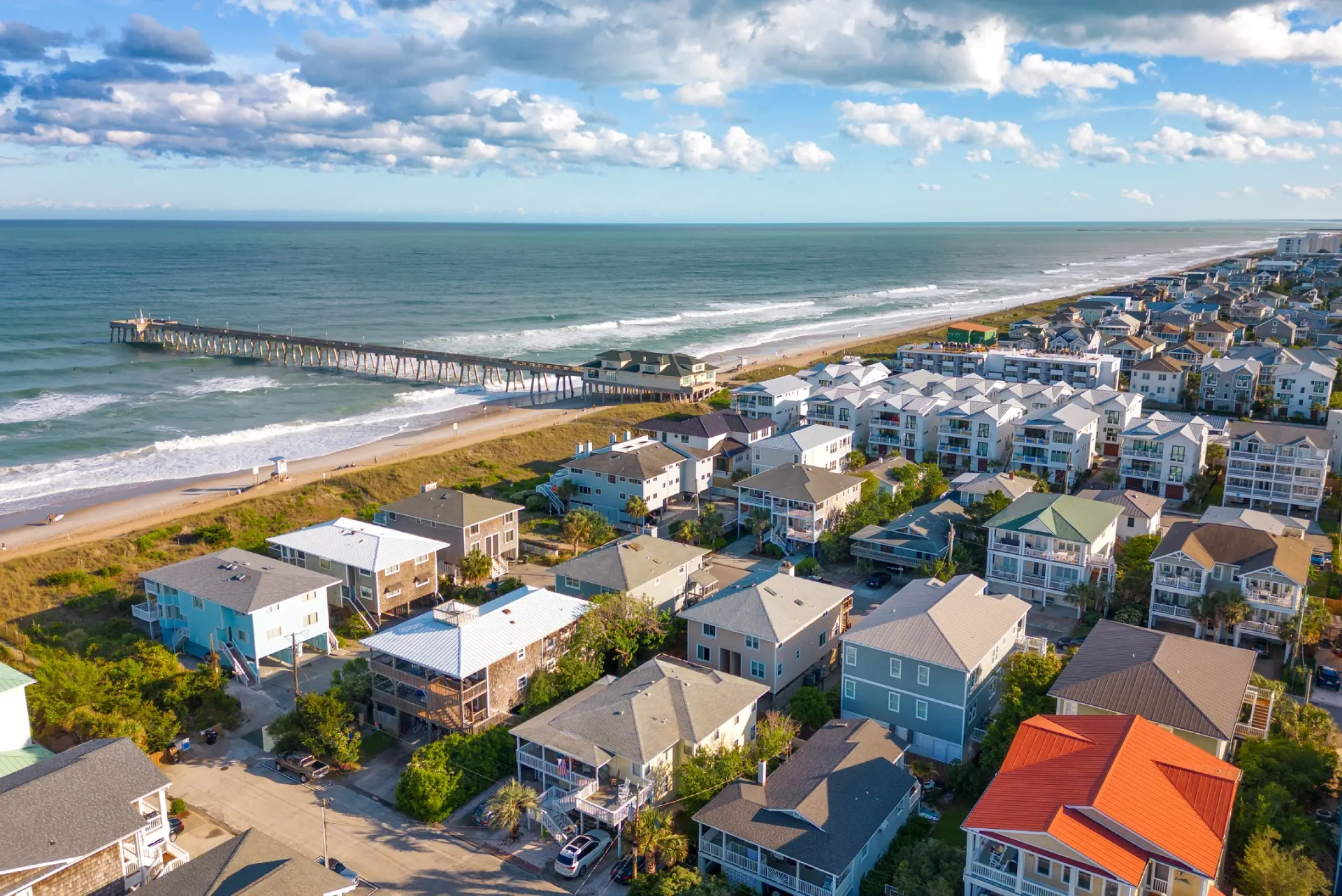
We’re proud to serve homeowners throughout coastal North Carolina with roofing solutions designed to protect homes from long-term weather exposure and unexpected damage.
Why Roof Repair Costs Can Vary So Much
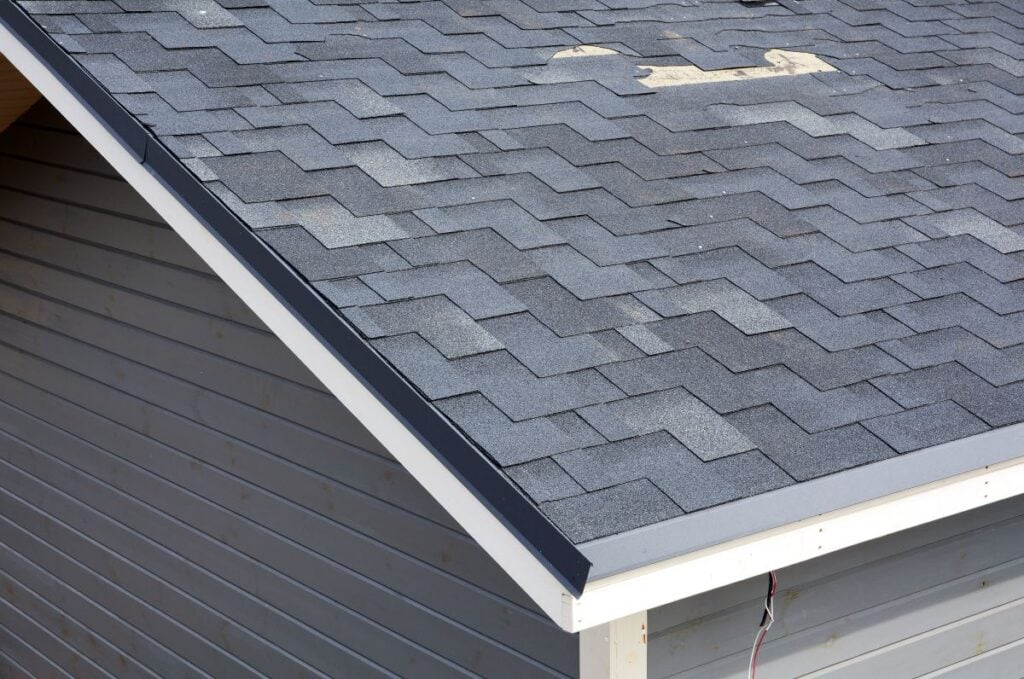
No two roofing systems are exactly alike, which is why repair costs can vary from one property to another. Factors such as roof age, roofing material, damage severity, accessibility, and labor requirements all play a role in determining the scope of a repair project.
Minor repairs may require only a simple fix, while larger problems can involve replacing damaged sections, addressing underlying moisture concerns, or repairing structural components. Understanding what drives repair costs can help homeowners avoid surprises when scheduling service or comparing roofing estimates.
According to the Federal Emergency Management Agency (FEMA), routine maintenance and early repairs can help reduce future storm-related damage, making proactive roof care a worthwhile investment.
7 Factors That Impact Roof Repair Cost
Several variables influence how much homeowners ultimately pay for roofing repairs. Understanding these factors can help explain why estimates may differ from one property to another and what may be contributing to the final cost.
1. The Type of Roof Damage
The nature of the damage is often the biggest factor influencing repair costs. Small repairs generally require fewer materials and less labor than larger repairs involving widespread damage or multiple roofing components.
- Missing shingles are often simpler to repair.
- Leaks may involve hidden moisture damage.
- Structural concerns can increase project scope.
2. The Roofing Material
Different roofing materials require different repair methods, tools, and replacement products. Material type can directly impact both labor and material costs. Asphalt shingles remain among the most affordable roofing materials, often ranging from $1 to $3 per square foot for materials alone.
- Asphalt shingles are among the most affordable roofing materials.
- Metal roofing systems often require specialized repairs.
- Tile roof repairs may involve higher material and labor costs.
3. The Age of the Roof
Older roofing systems often present additional challenges during repairs. Materials may be harder to match, and underlying issues are more common as roofs approach the end of their lifespan.
- Older materials can be difficult to source.
- Aging roofs may have multiple problem areas.
- Repairs sometimes uncover additional wear.
4. Roof Accessibility and Pitch
How easily a contractor can access the roof affects labor requirements and project timelines. Roof pitch can also affect the total area being worked on, increasing both labor demands and overall project costs.
- Steep slopes can increase labor demands.
- Multi-story homes may require additional equipment.
- Roof pitch affects total area and installation costs.
5. The Extent of Storm Damage
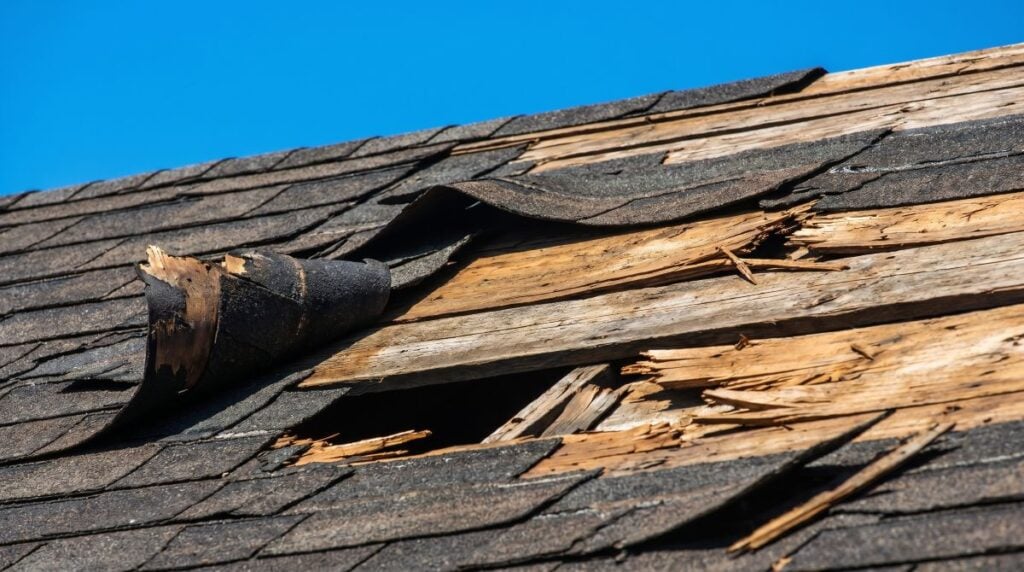
Storm-related repairs often involve more than a few missing shingles. Wind, hail, and debris can affect multiple roofing components at once.
- Wind can loosen or remove roofing materials.
- Hail may damage shingles and flashing.
- Debris impacts can create hidden roofing issues.
6. Whether Water Damage Is Present
Water can travel well beyond the original source of a leak. By the time damage becomes visible inside the home, additional roofing components may already be affected.
- Moisture can damage roof decking.
- Insulation may need replacement.
- Mold concerns can increase repair scope.
7. Labor Costs and Project Scope
Labor usually accounts for more than half of the total roof repair cost. The amount of labor required depends on the complexity of the repair, roof accessibility, roofing materials, and the size of the affected area.
- Labor costs often represent the largest portion of the estimate.
- Complex repairs require additional time and expertise.
- Larger repair areas increase overall project costs.
Common Roof Repairs and Their Cost Factors
Different types of roof repairs come with different levels of labor, materials, and complexity. Understanding common repair categories can help homeowners better interpret roofing estimates and recommendations.
Leak Repairs
Roof leaks are one of the most common reasons homeowners contact a roofing contractor. Costs often depend on how quickly the leak is discovered and whether moisture has affected surrounding materials.
- Small leaks are often easier to repair.
- Hidden moisture damage can increase costs.
- Delayed repairs may expand the affected area.
Shingle Repairs
Damaged or missing shingles are common after years of weather exposure and severe storms. These repairs are often straightforward when addressed early.
- Wind damage commonly affects shingles.
- Matching materials may impact pricing.
- Prompt repairs help prevent additional issues.
Flashing Repairs
Flashing helps protect vulnerable areas around chimneys, skylights, vents, and roof transitions. Damage in these locations can lead to leaks even when shingles appear intact.
- Flashing failures are a common leak source.
- Repairs may require removing nearby materials.
- Proper installation is critical for long-term protection.
When Should You Repair vs. Replace a Roof?
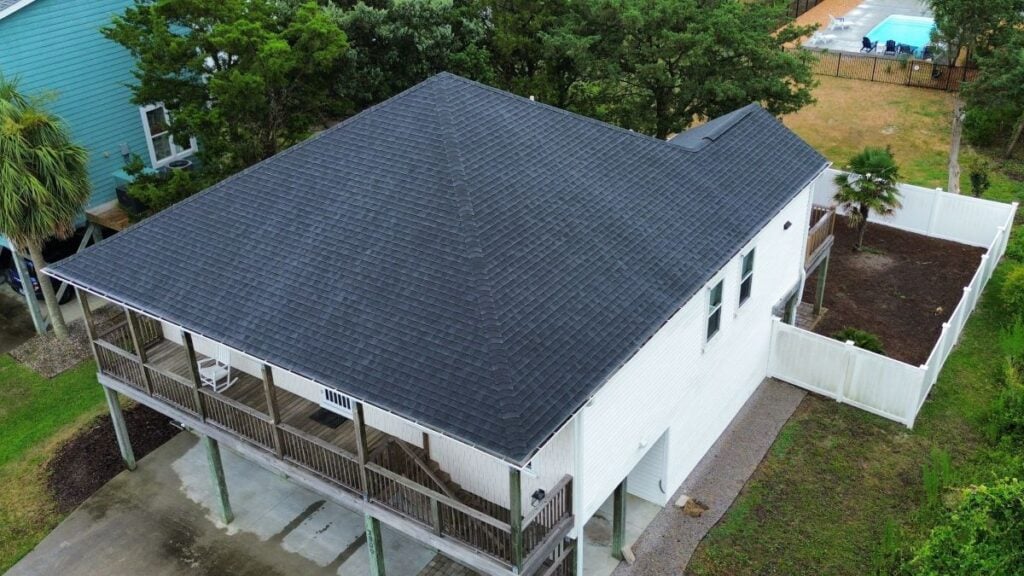
Not every roofing issue requires a full roof replacement. In many cases, targeted repairs can restore performance and extend the life of the roofing system.
However, replacement may make more sense when damage is widespread, repairs become frequent, or the roof is approaching the end of its expected lifespan. Comparing roof repair cost to roof replacement cost can help homeowners determine which option provides the best long-term value.
Repairs May Make Sense When:
- Damage is limited to a small area.
- The roof is relatively new.
- Most materials remain in good condition.
- Minor repairs can resolve the issue effectively.
Replacement May Be Worth Considering When:
- Damage affects multiple areas of the roof.
- The roofing system is nearing the end of its lifespan.
- Repair costs continue to increase.
- Significant storm damage has occurred.
- The entire roof requires substantial work.
Metal roofing offers excellent longevity, but homeowners should understand that replacing an entire roof with metal materials can cost anywhere from approximately $10,245 to $41,640 depending on roof size, design complexity, and material selection. A professional inspection can help determine the most practical solution for your home.
Protect Your Home With Help From Summit Roofing
Understanding what impacts roof repair cost can help homeowners make informed decisions when roofing problems arise. While every project is different, factors such as damage type, material selection, roof age, labor costs, roof pitch, and storm exposure all play a role in determining the actual cost of repairs.
Whether you’re dealing with a leak, missing shingles, storm-related damage, or general roof wear, Summit Roofing is here to help. Contact our team to schedule an inspection and get expert guidance on the right repair solution for your home.