 8 Min Read
 06/15/2026
Eave vs Soffit: 8 Key Differences Every Homeowner Should Understand
Eave vs soffit is a common comparison homeowners encounter when learning about roofing systems. While these two components are closely connected, they serve different purposes and play unique roles in protecting a home. Understanding the difference between eaves and soffits can help homeowners better maintain their property, identify potential roofing issues, and communicate more effectively with roofing contractors.
Many people use the terms interchangeably, but the eave and soffit are not the same thing. Together, they contribute to roof ventilation, moisture control, curb appeal, and protection from the elements. Whether you’re addressing ventilation concerns, repairing aging roof components, or planning improvements to your overall roofing system, understanding how eaves and soffits function can help you make more informed decisions about maintenance and long-term roof performance. Learning how eaves, soffits, fascia boards, and roof framing work together can also provide a better understanding of how a roofing system protects the home.
- Roof Protection: Eaves help direct water away from the home.
- Ventilation Support: Soffits allow air to circulate through the attic.
- Moisture Control: Both components help prevent water-related issues.
- Curb Appeal: Eaves and soffits contribute to a finished exterior appearance.
- Roof Performance: Proper installation supports long-term roof health.
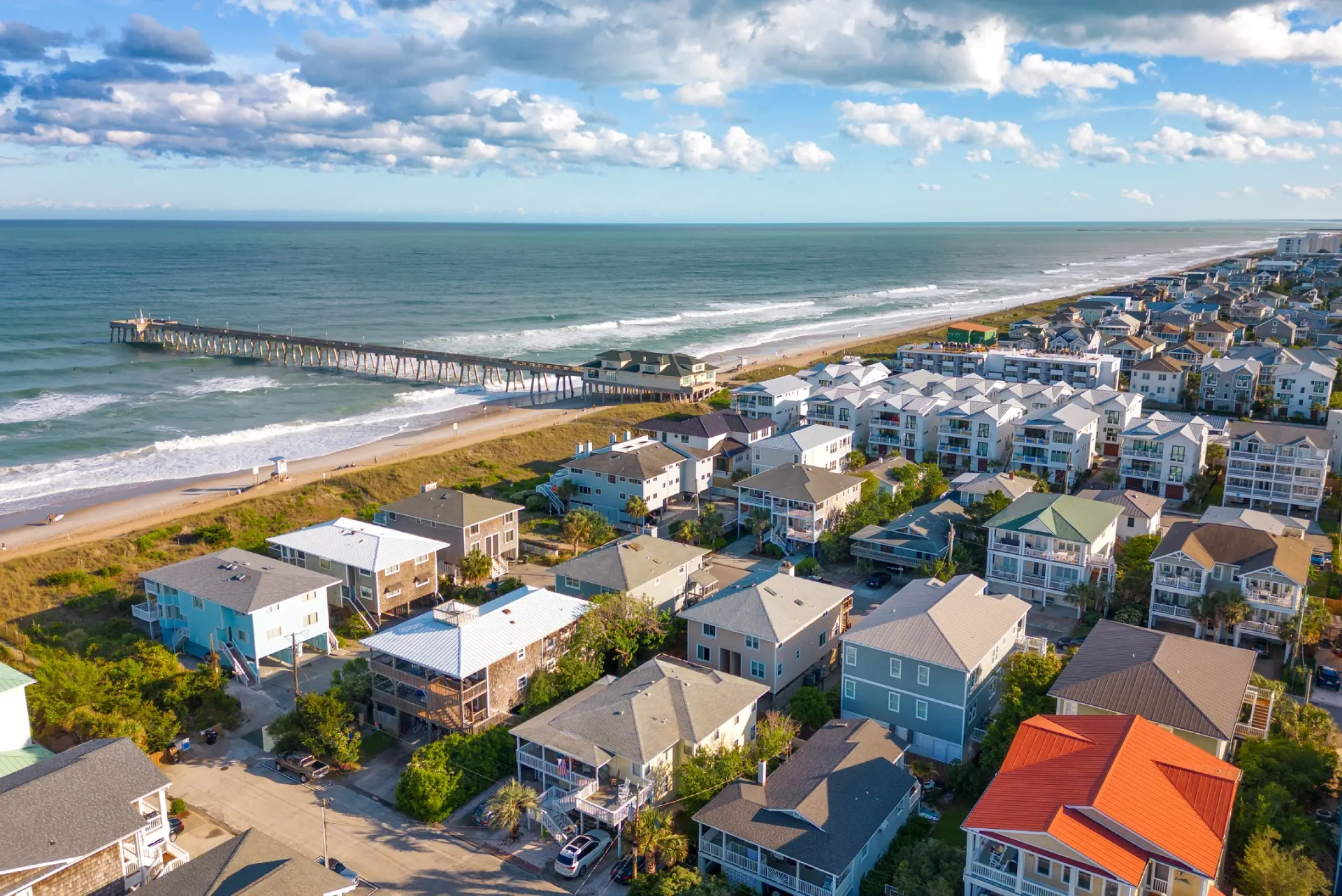
We’re proud to help homeowners throughout coastal North Carolina protect their homes with roofing systems designed for durability and long-term performance.
Why Understanding Eaves and Soffits Matters

While shingles and roofing materials often receive the most attention, components like eaves and soffits are essential parts of a complete roofing system. They help manage airflow, protect structural elements, and improve drainage around the home.
When these components become damaged, homeowners may experience ventilation issues, moisture intrusion, pest problems, or premature roof deterioration. Understanding how eaves and soffits work together can make it easier to identify problems before they become costly repairs.
According to the U.S. Department of Energy, proper attic ventilation can help improve energy efficiency and reduce moisture buildup, making soffit ventilation an important part of overall roof performance.
8 Key Differences Between Eaves and Soffits
Although eaves and soffits are connected, they serve different functions and occupy different parts of the roof structure.
1. Their Location on the Home
The biggest difference between an eave and a soffit is where each component is located.
- Eave Location: The eave is the portion of the roof that extends beyond the exterior wall.
- Soffit Location: The soffit is the finished surface beneath the eave.
- Connected Components: Soffits are typically installed underneath eaves.
2. Their Primary Purpose
Each component serves a distinct role within the roofing system.
- Eave Function: Directs rainwater away from siding and foundations.
- Soffit Function: Helps ventilate the attic space.
- Combined Benefits: Together they support roof protection and airflow.
3. Ventilation Responsibilities
One of the most important jobs performed by soffits involves attic ventilation.
- Soffit Vents: Allow fresh air into the attic.
- Air Circulation: Supports balanced attic airflow.
- Roof Health: Helps reduce heat and moisture buildup.
4. Exposure to Weather
Eaves and soffits experience different levels of weather exposure throughout the year.
- Eaves: Directly exposed to sun, wind, rain, and storms.
- Soffits: More protected beneath the roof overhang.
- Maintenance Needs: Exposure levels can affect longevity.
5. Structural vs. Finishing Component
These parts serve different roles within the overall roof design.
- Eaves: Part of the roof’s structural overhang.
- Soffits: Primarily a finishing and ventilation component.
- Installation Differences: Each requires different construction methods.
6. Materials Commonly Used

Both eaves and soffits can be constructed using various materials depending on the home’s design.
- Wood Soffits: Traditional appearance but may require more maintenance.
- Vinyl Soffits: Popular for durability and ventilation options.
- Aluminum Soffits: Resistant to moisture and pests.
7. Signs of Damage
Problems affecting either component can lead to larger roofing concerns.
- Peeling Paint: May indicate moisture issues.
- Rotting Materials: Common in older wood installations.
- Visible Gaps: Can allow pest entry and water intrusion.
8. Maintenance Requirements
Routine inspections help ensure both components continue performing as intended.
- Vent Cleaning: Keeps soffit vents functioning properly.
- Damage Checks: Helps identify issues early.
- Preventive Maintenance: Extends component lifespan.
What Is an Eave?
An eave is the edge of the roof that extends beyond the exterior walls of the home. Roof overhangs help direct rainwater away from siding, windows, and foundations while also providing shade and architectural character. In many cases, eaves protect vulnerable exterior surfaces from excessive moisture exposure and weather-related wear.
Eaves are supported by the roof framing system and are often finished with fascia boards and soffits to create a complete roof edge. Depending on the home’s design, homeowners may have either exposed eaves or closed eaves.
Exposed Eaves
Exposed eaves leave portions of the roof framing visible beneath the overhang.
- Visible Rafters: Structural members remain exposed.
- Architectural Character: Common in rustic and craftsman-style homes.
- Distinct Appearance: Creates a more open roof design.
Closed Eaves
Closed eaves are enclosed with soffit materials beneath the overhang.
- Finished Look: Creates a cleaner appearance.
- Ventilation Options: Often incorporates soffit vents.
- Added Protection: Helps shield roof framing from weather exposure.
Benefits of Roof Eaves
- Water Management: Helps move water away from the structure.
- Exterior Protection: Eaves protect siding, windows, and foundations.
- Energy Benefits: Can provide shade during warmer months.
What Is a Soffit?
A soffit is the finished underside of the roof overhang. While soffits contribute to a home’s appearance, their most important role is often ventilation.
Many soffits contain intake vents that allow fresh air to enter the attic. This airflow works with ridge vents or other exhaust vents to create a balanced attic ventilation system. Soffits are typically installed between the exterior wall and fascia boards, helping create a finished transition beneath the roof edge.
Benefits of Soffits
- Attic Ventilation: Supports proper airflow.
- Moisture Reduction: Helps limit condensation.
- Finished Appearance: Creates a clean roofline.
Where Do Fascia Boards Fit In?
When discussing eaves and soffits, fascia boards are often part of the conversation. Fascia is the vertical finishing board installed along the roof edge where gutters are typically attached.
Together, eaves, soffits, and fascia boards create a complete roof edge system that helps manage water, support ventilation, and improve curb appeal.
Functions of Fascia Boards
- Gutter Support: Provides an attachment point for gutters.
- Roof Edge Protection: Helps shield exposed roof components.
- Finished Appearance: Creates a clean transition along the roofline.
How Eaves and Soffits Work Together

Although they serve different purposes, eaves and soffits function as a team. The eave provides the roof overhang, while the soffit encloses the underside and often facilitates ventilation.
When both components are properly maintained, they help:
- Improve Ventilation: Supports attic airflow.
- Reduce Moisture: Helps prevent condensation.
- Protect Roofing Components: Extends roof lifespan.
- Enhance Appearance: Creates a finished exterior.
Common Problems Homeowners Should Watch For
Over time, weather exposure, moisture, and aging materials can affect both eaves and soffits.
Moisture Damage
Water intrusion can lead to deterioration if problems are not addressed promptly.
- Wood Rot: Common in older installations.
- Mold Growth: May develop in damp areas.
- Structural Concerns: Long-term moisture can affect roof framing.
Pest Activity
Damaged soffits and eaves can provide entry points for insects, birds, and small animals.
- Openings: Gaps may attract pests.
- Nesting Activity: Animals often seek sheltered locations.
- Additional Damage: Pests can worsen existing problems.
Ventilation Issues
Blocked or damaged soffit vents can restrict airflow throughout the attic.
- Heat Buildup: Attic temperatures may increase.
- Moisture Accumulation: Condensation can develop.
- Reduced Efficiency: HVAC systems may work harder.
Frequently Asked Questions About Eaves and Soffits
Homeowners often have questions when learning about roof components and ventilation systems. Understanding the basics can help you better maintain your roofing system.
Is the soffit part of the eave?
Yes. The soffit is located beneath the eave and covers the underside of the roof overhang.
What is the difference between exposed eaves and closed eaves?
Exposed eaves leave portions of the roof framing visible, while closed eaves are enclosed with soffit materials that create a more finished appearance.
Are fascia boards part of the soffit?
No. Fascia boards are separate components installed along the roof edge. They work alongside soffits and eaves but serve different purposes.
Why are soffit vents important?
Soffit vents allow fresh air to enter the attic, helping support proper ventilation and moisture control.
Can damaged soffits affect the roof?
Yes. Damaged soffits can contribute to ventilation problems, moisture intrusion, pest activity, and other roofing concerns.
Protect Your Roofing System With Help From Summit Roofing
Understanding the difference between eaves and soffits can help homeowners better maintain their roofing systems and identify issues before they become major problems. While these components serve different purposes, both play important roles in protecting your home and supporting long-term roof performance.
Whether you’re dealing with damaged soffits, aging roof overhangs, fascia board issues, ventilation concerns, or general roofing problems, Summit Roofing is here to help. Contact our team to schedule an inspection and learn more about protecting your home’s roofing system.