
 8 Min Read
 06/22/2026
Roof Flashing Repair: 9 Subtle Signs Water Is Sneaking Into Your Home
Roof flashing repair is often overlooked until a leak appears, but flashing plays a critical role in protecting some of the most vulnerable areas of a roofing system. Installed around chimneys, skylights, roof valleys, vents, and other roof penetrations, flashing helps direct water away from seams and transitions where leaks are most likely to occur.
When flashing begins to fail, water doesn’t always enter the home immediately. In many cases, moisture slowly works its way beneath roofing materials, causing hidden damage before homeowners realize there’s a problem. Understanding the warning signs of flashing failure can help homeowners address issues early and avoid more extensive repairs. Whether you’re investigating water leaks or evaluating the condition of your roof’s most vulnerable areas, recognizing flashing problems can help protect your home from costly water damage.
- Leak Prevention: Flashing helps keep water out of vulnerable roof areas.
- Hidden Protection: Problems often develop beneath roofing materials.
- Moisture Defense: Proper flashing helps prevent water intrusion.
- Structural Protection: Early repairs can help avoid larger damage.
- Long-Term Performance: Healthy flashing supports overall roof lifespan.
We’re proud to help homeowners throughout coastal North Carolina protect their homes from leaks, storm damage, and moisture-related roofing problems.
Why Roof Flashing Matters

Roof flashing serves as a waterproof barrier in areas where roofing materials meet walls, chimneys, vents, skylights, and other roof features. Because these locations interrupt the normal flow of water across the roof, flashing helps channel water safely away from seams and openings.
According to the National Roofing Contractors Association, deteriorated flashings are one of the most common problems uncovered during biannual roof inspections — making flashing one of the most important components of a properly functioning roofing system because it helps prevent water infiltration at roof transitions and penetrations.
According to the National Roofing Contractors Association (NRCA), flashing is one of the most important components of a properly functioning roofing system because it helps prevent water infiltration at roof transitions and penetrations.
9 Subtle Signs You May Need Roof Flashing Repair
Flashing damage is not always obvious from the ground. Many warning signs develop gradually, making routine inspections especially important.
1. Water Stains on Ceilings or Walls
Discoloration on ceilings or interior walls is often one of the first visible signs of a flashing problem.
- Ceiling Stains: Brown or yellow discoloration may indicate a leak.
- Wall Damage: Moisture can travel beyond the original entry point.
- Growing Problem: Stains often worsen over time.
2. Leaks Around Chimneys
Chimneys are among the most common locations for flashing failures because multiple roofing materials and surfaces meet in one area.
- Water Entry Points: Flashing gaps can allow leaks.
- Brick Deterioration: Moisture may affect surrounding masonry.
- Recurring Issues: Chimney leaks often worsen if ignored.
3. Damaged or Rusted Flashing
Metal flashing can deteriorate over time due to weather exposure and age.
- Visible Rust: Corrosion can weaken flashing performance.
- Cracks or Holes: Damaged metal allows water intrusion.
- Aging Materials: Older flashing may require replacement.
4. Loose Flashing Sections
Strong winds, storms, and natural expansion and contraction can loosen flashing components.
- Lifted Edges: Flashing may separate from roofing materials.
- Wind Damage: Storms can loosen fasteners.
- Water Exposure: Gaps increase leak potential.
5. Missing Sealant
Many flashing systems rely on roofing sealants to provide additional protection. When sealants deteriorate, water may bypass the flashing system altogether.
- Cracked Sealant: Aging materials can fail.
- Gaps Around Flashing: Openings allow water entry.
- Reduced Protection: Water may bypass flashing barriers.
In some situations, a roofing professional may be able to apply roofing sealant as part of a repair. However, sealant alone is not always a permanent solution if the flashing itself has become damaged.
6. Mold or Mildew Growth
Persistent moisture caused by flashing leaks can contribute to mold development.
- Musty Odors: Often indicate hidden moisture.
- Visible Growth: Mold may appear near leak locations.
- Indoor Air Concerns: Moisture issues can affect indoor environments.
7. Damaged Roof Valleys
Roof valleys channel large amounts of water during rainstorms and frequently rely on flashing for protection.
- Heavy Water Flow: Valleys experience concentrated drainage.
- Material Wear: Flashing can deteriorate over time.
- Leak Potential: Damaged valleys often allow water intrusion.
8. Peeling Paint Near Roof Lines
Moisture entering around flashing can affect nearby exterior surfaces.
- Paint Failure: Moisture may cause peeling or bubbling.
- Trim Damage: Wood components may deteriorate.
- Hidden Leaks: Exterior symptoms can indicate roofing issues.
9. Increasing Energy Bills
While less obvious, moisture intrusion can affect insulation performance and overall energy efficiency.
- Insulation Damage: Wet insulation loses effectiveness.
- Higher Energy Usage: HVAC systems may work harder.
- Hidden Moisture: Flashing leaks can contribute to attic problems.
Common Types of Roof Flashing

Different areas of a roof require different flashing systems. Understanding the most common types can help homeowners better understand inspection findings and repair recommendations.
Chimney Flashing
Chimney flashing creates a watertight seal where the roof meets the chimney structure.
- Step Flashing: Installed along chimney sides.
- Counter Flashing: Covers and protects step flashing.
- Leak Prevention: Protects a common problem area.
Valley Flashing
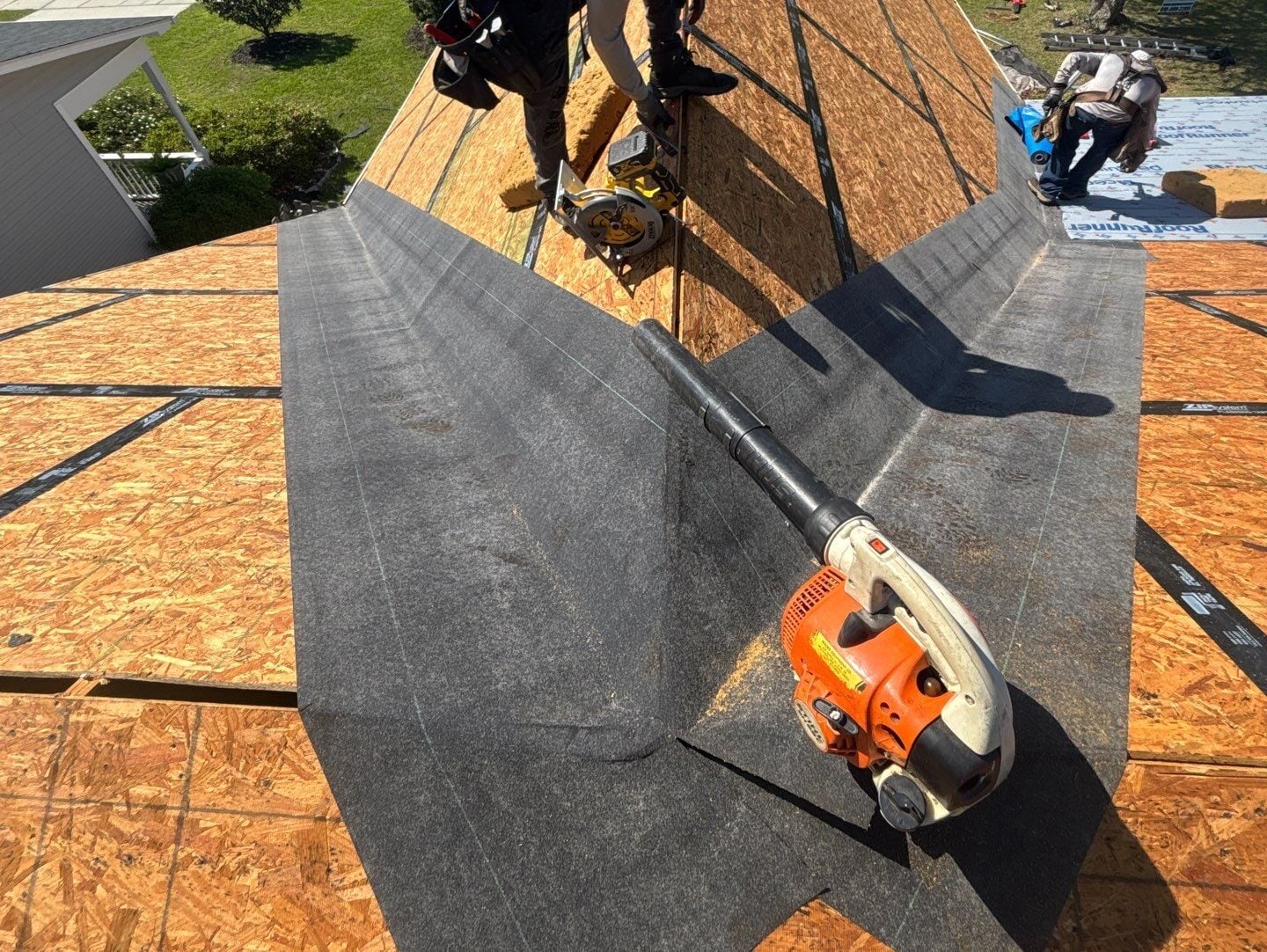
Valley flashing protects areas where two roof slopes meet.
- Water Management: Handles heavy water flow.
- Durability Needs: Must withstand constant exposure.
- Critical Protection: Helps prevent valley leaks.
Vent Pipe Flashing
Roof penetrations such as plumbing vents require specialized flashing components.
- Pipe Boots: Create waterproof seals.
- Weather Protection: Prevents leaks around penetrations.
- Routine Maintenance: Should be inspected periodically.
Skylight Flashing
Skylights require properly installed flashing to prevent water intrusion.
- Perimeter Protection: Seals the skylight opening.
- Leak Prevention: Helps direct water away.
- Installation Matters: Improper flashing increases risk.
Should You Repair or Replace Roof Flashing?
One of the most common questions homeowners ask is whether they should repair roof flashing or replace roof flashing entirely. The answer depends on the extent of the damage, the age of the flashing, and whether water intrusion has already occurred.
Minor repairs may be appropriate when:
- Damage Is Limited: Small gaps or isolated issues are present.
- Flashing Remains Intact: Metal components are still structurally sound.
- Leaks Are Caught Early: Water intrusion has been minimal.
Flashing replacement may be recommended when:
- Corrosion Is Extensive: Rust has weakened the flashing.
- Multiple Areas Are Failing: Damage is widespread.
- Water Leaks Persist: Repairs no longer provide adequate protection.
- Roof Replacement Is Planned: Flashing is often updated during larger projects.
A qualified roofing professional can determine which approach makes the most sense for your roofing system.
What Causes Flashing to Fail?
Several factors can contribute to flashing problems over time.
Age and Weather Exposure
Flashing experiences constant exposure to sunlight, rain, wind, and temperature fluctuations.
- Material Wear: Components naturally age.
- Expansion and Contraction: Movement can loosen flashing.
- Corrosion Risks: Metal may deteriorate over time.
Storm Damage
Severe weather can affect flashing even when shingles appear intact.
- High Winds: May lift flashing edges.
- Flying Debris: Can damage metal components.
- Heavy Rain: Exposes existing weaknesses.
Improper Installation
Some flashing issues originate during the original roof installation process.
- Incorrect Placement: Flashing may not direct water properly.
- Poor Fastening: Components may loosen prematurely.
- Incomplete Sealing: Increases leak risk.
Frequently Asked Questions About Roof Flashing Repair

Flashing problems are among the most common causes of roof leaks. These are some of the questions homeowners frequently ask when evaluating potential flashing damage.
What is roof flashing?
Roof flashing is a thin material, typically metal, installed around roof penetrations and transitions to help direct water away from vulnerable areas.
Can damaged flashing cause water leaks?
Yes. Even small gaps, cracks, or loose flashing sections can allow water to enter the roofing system and eventually reach the home’s interior.
Can roof flashing be repaired?
In many situations, yes. A roofing professional may be able to repair roof flashing if the damage is limited and the flashing remains structurally sound.
When should flashing be replaced?
Flashing replacement is often recommended when corrosion, structural damage, recurring leaks, or widespread deterioration is present.
Does flashing need to be replaced with a new roof?
In many cases, flashing is inspected during roof replacement projects and may be replaced if it shows signs of wear, corrosion, material defects, or damage.
Protect Your Home With Help From Summit Roofing
Flashing may not be the most visible part of a roofing system, but it plays a critical role in preventing leaks and protecting your home from water damage. Recognizing the early signs of flashing failure can help homeowners avoid more extensive repairs and preserve the long-term performance of their roofs.
Whether you’ve noticed water stains, chimney leaks, damaged flashing, or other signs of moisture intrusion, Summit Roofing is here to help. Contact our team to schedule an inspection and learn whether roof flashing repair, flashing replacement, or other roofing repairs are needed to protect your home.