 7 Min Read
 06/08/2026
8 Types of Roof Vents and How to Choose the Right One for Your Home
Types of roof vents play a critical role in the health and performance of your roofing system. Proper attic ventilation helps regulate temperature, reduce moisture buildup, improve energy efficiency, and extend the lifespan of roofing materials. Without adequate ventilation, excessive heat and humidity can accumulate inside the attic, potentially leading to higher energy bills, mold growth, and premature roof deterioration.
Many homeowners know ventilation is important but are unfamiliar with the different types of roof vents available. Understanding how various attic ventilation systems work can help you make informed decisions when upgrading or replacing your roof. Whether you’re building a new home or evaluating your current residential roofing system, choosing the right ventilation strategy is an important part of long-term roof performance.
- Temperature Control: Roof vents help reduce attic heat buildup.
- Moisture Management: Proper airflow helps limit excess humidity.
- Energy Efficiency: Ventilation can reduce cooling demands.
- Roof Protection: Vent systems help extend roof lifespan.
- Year-Round Performance: Proper airflow benefits homes in every season.
We’re proud to help homeowners throughout coastal North Carolina protect their homes with roofing systems designed for long-term durability and performance.
Why Roof Ventilation Matters
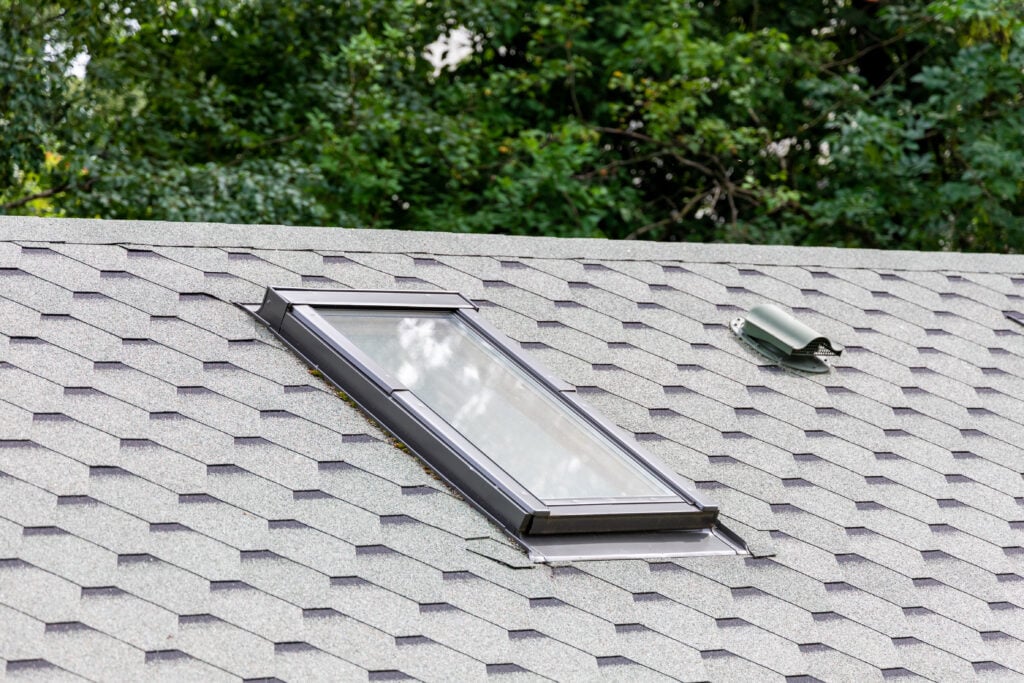
Attic ventilation allows outside air to move through the attic space, helping regulate temperature and moisture levels throughout the year. During the summer, proper airflow helps remove excess heat. During cooler months, ventilation helps reduce condensation that can develop when warm indoor air meets cooler attic surfaces.
According to the U.S. Department of Energy, proper attic ventilation helps reduce heat buildup and can improve overall energy efficiency, making it an important component of a healthy roofing system.
Without adequate ventilation, homeowners may experience higher energy costs, moisture-related issues, shortened shingle lifespan, and reduced indoor comfort.
8 Types of Roof Vents Homeowners Should Know
Several roof ventilation options are available, and each serves a different purpose depending on roof design, attic size, and airflow needs. Understanding the most common types of roof vents can help homeowners determine which system may be best suited for their property.
1. Ridge Vents
Ridge vents are installed along the peak of the roof and are among the most popular attic ventilation solutions. They provide continuous ventilation across the roof ridge and work especially well when paired with soffit vents.
- Continuous Airflow: Runs along the roof peak.
- Low Profile Design: Blends into the roofline.
- Balanced Ventilation: Commonly paired with intake vents.
2. Soffit Vents
Soffit vents are installed beneath the roof overhang and serve as intake vents. They allow fresh outside air to enter the attic and work in conjunction with exhaust vents.
- Fresh Air Intake: Draws outside air into the attic.
- Balanced System: Supports proper ventilation flow.
- Common Pairing: Often used with ridge vents.
3. Box Vents
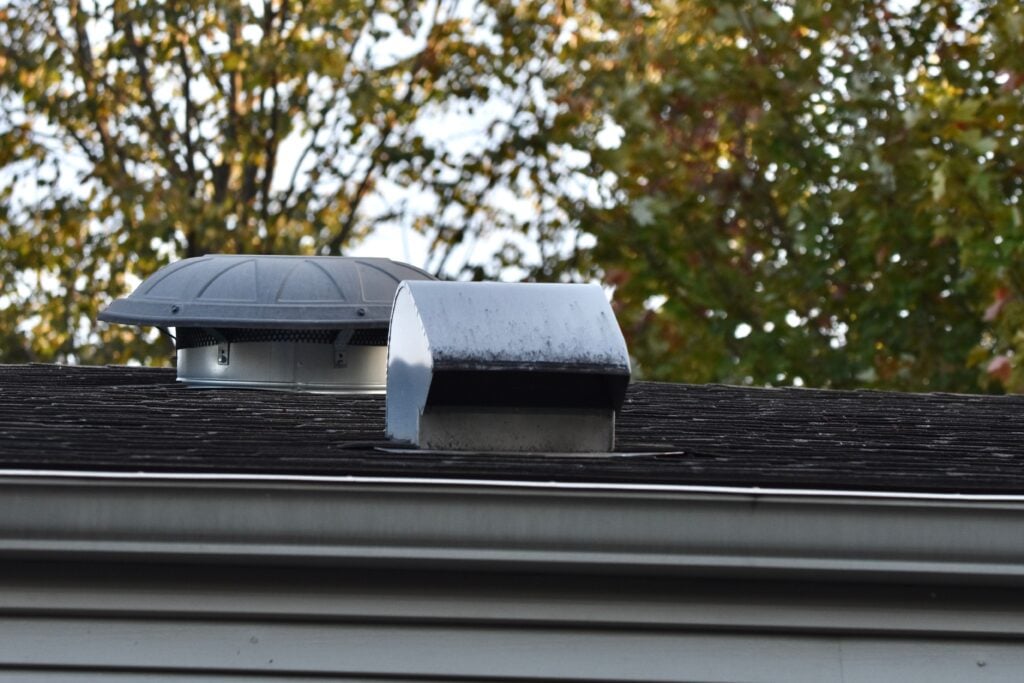
Box vents, sometimes called static vents, are installed near the roof ridge and allow hot air to escape naturally through passive ventilation.
- No Moving Parts: Operates without electricity.
- Simple Design: Common on many residential roofs.
- Natural Exhaust: Releases trapped attic heat.
4. Turbine Vents
Turbine vents use wind power to pull hot air and moisture from the attic. When wind turns the turbine, airflow increases through the ventilation system.
- Wind Powered: Uses natural airflow.
- Enhanced Ventilation: Increases attic air movement.
- Mechanical Design: Contains moving components.
5. Power Roof Vents
Power vents use electric motors to actively remove heat and moisture from the attic. These systems can provide strong airflow but require electricity to operate.
- Powered Exhaust: Uses electric fans.
- High Airflow Capacity: Moves large volumes of air.
- Electrical Requirements: Requires power source.
6. Solar-Powered Roof Vents
Solar roof vents function similarly to power vents but rely on solar energy rather than household electricity.
- Solar Operation: Powered by sunlight.
- Energy Savings: Reduces electrical consumption.
- Active Ventilation: Improves attic airflow.
7. Gable Vents
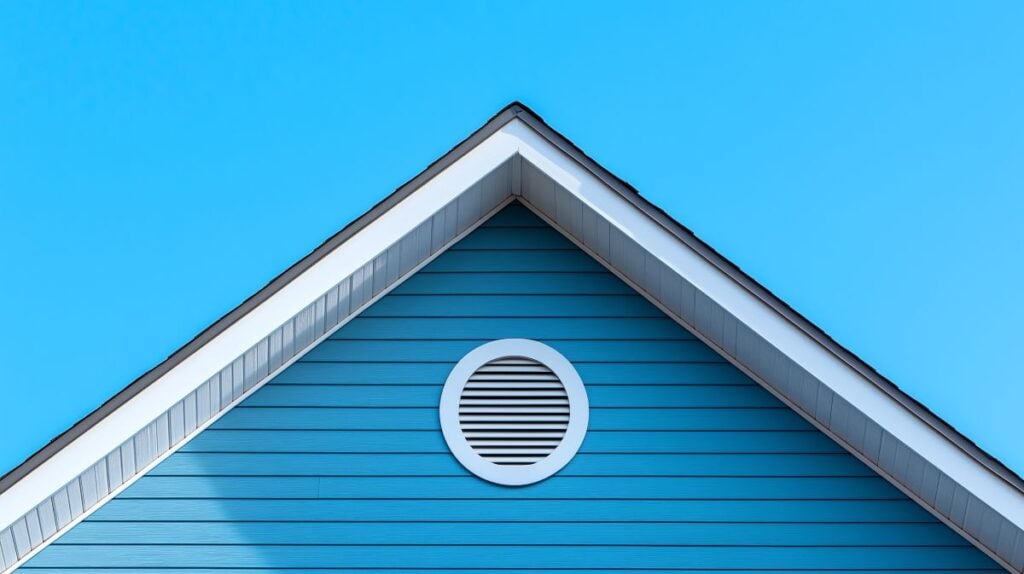
Gable vents are installed on the exterior walls at the ends of an attic. These vents allow air movement through the attic without requiring roof penetrations.
- Wall-Mounted Design: Installed in gable walls.
- Passive Ventilation: Relies on natural airflow.
- Traditional Appearance: Common on older homes.
8. Cupola Vents
Cupola vents combine ventilation functionality with decorative architectural appeal. While often associated with barns, some residential properties also incorporate cupola-style ventilation.
- Decorative Feature: Adds visual interest.
- Ventilation Support: Allows warm air to escape.
- Architectural Appeal: Common on specialty designs.
How to Choose the Right Roof Vent
Not every home benefits from the same ventilation setup. Factors such as roof design, attic size, local climate, and existing ventilation components all influence which solution makes the most sense.
Choosing the right roof vent often involves evaluating how intake and exhaust ventilation work together to create balanced airflow throughout the attic space.
Roof Design Matters
Different roof styles accommodate different ventilation systems. What works well on one home may not be ideal for another.
- Roof Shape: Impacts vent placement options.
- Roof Pitch: Influences airflow patterns.
- Available Space: Affects vent capacity.
Climate Plays a Role
Homes in coastal North Carolina experience high humidity, seasonal storms, and long periods of warm weather. Ventilation systems should be designed to manage both heat and moisture effectively.
- Humidity Control: Helps reduce moisture buildup.
- Heat Removal: Supports cooler attic temperatures.
- Year-Round Protection: Addresses seasonal conditions.
Balanced Ventilation Is Important
The most effective attic ventilation systems typically combine intake and exhaust ventilation. A balanced system allows fresh air to enter while warm, humid air exits efficiently.
- Intake Vents: Bring fresh air into the attic.
- Exhaust Vents: Remove heat and moisture.
- Airflow Balance: Supports overall system performance.
Common Signs of Poor Roof Ventilation
Ventilation issues often develop gradually and may go unnoticed until larger problems appear. Recognizing the warning signs can help homeowners address concerns before significant damage occurs.
Excessive Attic Heat
Attics that become extremely hot during warmer months may not be ventilating properly.
- High Temperatures: Excess heat accumulates.
- Energy Impact: Cooling costs may increase.
- Roof Stress: Heat can accelerate material aging.
Moisture or Mold Growth
Poor ventilation can trap moisture inside the attic, creating conditions that support mold and mildew growth.
- Condensation Issues: Moisture accumulates over time.
- Mold Growth: Humidity encourages biological growth.
- Structural Concerns: Moisture can affect materials.
Premature Roof Aging
Heat and moisture can accelerate wear on roofing components.
- Shingle Deterioration: Materials age faster.
- Reduced Lifespan: Roof longevity may decrease.
- Increased Repairs: Problems become more frequent.
Frequently Asked Questions About Roof Vents
Choosing the right ventilation system often raises questions about performance, installation, and long-term benefits. Here are some of the most common questions homeowners ask about roof vents.
What is the best type of roof vent?
There is no single best roof vent for every home. Ridge vents combined with soffit vents are among the most popular solutions because they create balanced attic airflow, but the ideal system depends on the home’s design and ventilation needs.
Can a roof have too much ventilation?
In some cases, improperly designed ventilation systems can create airflow imbalances. Ventilation systems should be planned to provide adequate intake and exhaust airflow working together.
How do I know if my attic ventilation is adequate?
Signs of proper ventilation include controlled attic temperatures, minimal moisture buildup, and the absence of mold, condensation, or premature roofing deterioration.
Do roof vents help reduce energy costs?
Proper attic ventilation can help reduce heat buildup during warmer months, which may improve energy efficiency and reduce cooling demands.
Improve Roof Performance With Summit Roofing
Proper ventilation is one of the most important yet often overlooked components of a healthy roofing system. Understanding the different types of roof vents can help homeowners make informed decisions that support energy efficiency, moisture control, and long-term roof performance.
Whether you’re evaluating attic ventilation, planning a roof replacement, or looking to improve airflow throughout your home, Summit Roofing is here to help. Contact our team to schedule an inspection and learn more about ventilation solutions designed to protect your home.