 7 Min Read
 10/14/2026
Can You Paint Vinyl Siding? 7 Things To Know Before You Start
A fresh coat of paint feels like an easy way to boost a home’s curb appeal without the cost of new siding. Can you paint vinyl siding, though, isn’t a simple yes or no question, since vinyl behaves differently than wood or fiber cement once paint gets involved. Before you buy a single can, there are a few real considerations worth understanding.
Here’s a quick look at what we’ll cover:
- The short answer, and the caveats that come with it
- Seven things to know before starting a vinyl siding paint project
- Whether painting or replacing makes more sense for your siding
- What can go wrong if these factors get overlooked
If your siding is showing its age, comparing a paint job against fresh siding options is worth doing before committing to either path.
The Short Answer: Yes, But With Real Caveats
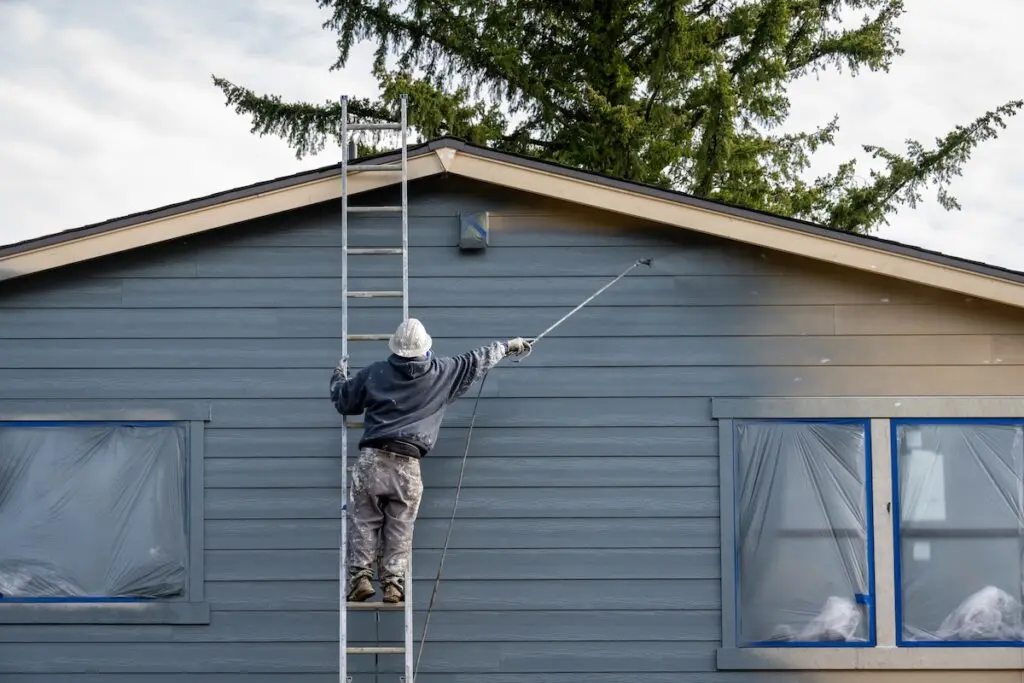
Yes, you can paint vinyl siding, and plenty of homeowners do it successfully. The catch is that vinyl expands and contracts with temperature more than most other siding materials, and the wrong color or paint type can cause real, sometimes irreversible, damage. The painting process for vinyl isn’t harder than painting wood, but it does require different rules.
7 Things To Know Before You Paint Vinyl Siding
Here’s what to understand before starting a vinyl siding paint project.
1. Color Choice Matters More Than Anything Else
This is the single most important factor, and the one most likely to cause problems if ignored.
- Manufacturer guidance: Sherwin-Williams’ own painting guidance notes that dark paint tends to absorb the heat of the sun, transferring it to the substrate, and once vinyl siding expands dramatically it can’t contract back to its original dimensions
- Safe rule of thumb: Choose the same shade as the siding’s original color, or something lighter, unless using a paint specifically formulated for vinyl
- Vinyl-safe options: Several major paint manufacturers offer curated “vinyl-safe” color lines engineered to resist this issue with dark colors
- Irreversible risk: Once vinyl siding develops warped panels from heat, painting again won’t fix it, and the panel typically needs replacement
2. It May Void Your Manufacturer Warranty
Most vinyl siding warranties are based on the factory color and its tested thermal performance.
- Warranty language: Many manufacturers explicitly void coverage once siding has been painted
- Age consideration: Warranties on older siding are often already heavily prorated, making this less of a concern
- Verification step: Check your specific warranty or contact the manufacturer before painting if coverage still matters to you
- Documentation: Keep records of the paint product used in case questions come up later
3. Surface Prep Is Non-Negotiable
Paint applied over dirty or chalky vinyl won’t hold up, regardless of how good the paint itself is.
- Cleaning requirement: A thorough wash using a mild cleaning solution, or a gentle pressure wash with a pressure washer on a low setting, removes dirt, mildew, and chalking residue before painting
- Drying time: Once clean, vinyl needs to be fully dry before application to avoid trapping moisture under the paint
- Repair first: Any cracked, loose, or damaged panels should be repaired or replaced before painting, not after
- Skipped step consequences: Poor prep is one of the most common reasons a paint job results in peeling paint within a year or two
4. Not All Paint Types Work on Vinyl
Choosing the right paint formulation matters just as much as choosing the right color.
- Recommended type: A quality paint, specifically 100% acrylic latex, is generally the standard recommendation for vinyl siding
- Avoid oil-based: Oil-based paints lack the flexibility vinyl needs to handle expansion and contraction, and can crack once the paint film cures
- Application method: A paint sprayer can speed up application on large areas, though brushing or rolling works fine for smaller sections or touch-ups
- Primer needs: A primer usually isn’t necessary with a quality acrylic topcoat, though manufacturer instructions should be followed
5. Weather Conditions Affect the Outcome
Temperature and humidity during application play a bigger role with vinyl than with more forgiving materials.
- Ideal range: Most manufacturers recommend painting within a moderate temperature range, avoiding extreme heat or cold
- Humidity concerns: High humidity can slow drying and affect adhesion
- Direct sun: Painting in direct, intense sunlight can cause the paint to dry too quickly and affect the finish
- Timing matters: Planning around a stretch of mild, dry weather improves the outcome significantly
6. Painted Vinyl Requires More Maintenance Than Unpainted
Factory-finished vinyl is essentially maintenance-free in terms of color, but painted vinyl changes that equation.
- Fading expectations: Painted surfaces will eventually fade and may need repainting sooner than factory color lasts
- Touch-up needs: Minor scuffs or damage are more visible and may require occasional touch-ups
- Cleaning changes: Painted siding may need gentler cleaning methods than the original factory finish
- Long-term cost: Factor in the likelihood of a repaint cycle when comparing costs to full siding replacement
7. Structurally Damaged Siding Should Be Replaced, Not Painted
Paint can refresh a tired color, but it can’t fix underlying problems with the siding itself.
- Warning signs: Cracking, warping, loose panels, or gaps are signs that painting won’t solve the real issue
- Root cause first: Address any structural or installation problems before considering a cosmetic fix
- Realistic expectations: Paint improves appearance, not structural integrity
- Professional assessment: A siding contractor can confirm whether your siding is a good candidate for painting in the first place
Is Painting or Replacing the Better Choice?
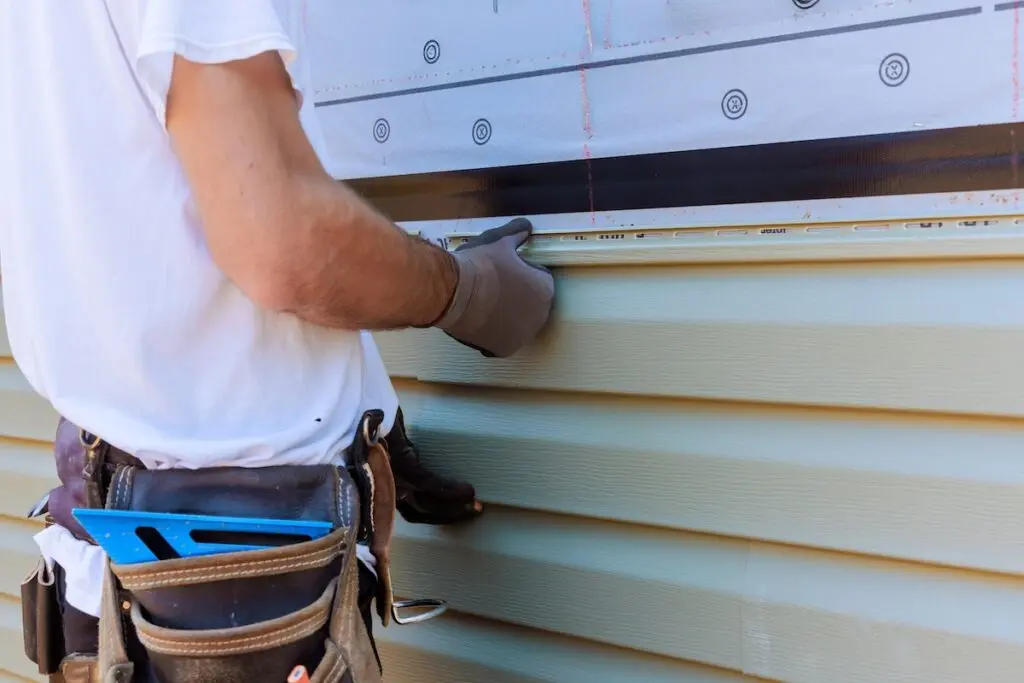
If your siding is structurally sound and you’re mainly looking for a color update, painting can be a reasonable, lower-cost option, particularly if you stick to a similar or lighter shade. If your siding shows cracking, warping, or other signs of age beyond color, replacement is usually the better long-term investment, since paint won’t address the underlying issues and may complicate a future replacement decision.
Can You Paint Vinyl Siding: Common Questions Answered
Here are direct answers to the questions homeowners ask most about this project.
How long does painted vinyl siding typically last before needing a repaint?
It varies by paint quality and climate exposure, but many painted vinyl siding jobs hold up for 8 to 10 years before needing attention, similar to a typical exterior paint job on other materials.
Can I paint vinyl siding myself, or should I hire a professional?
Many homeowners successfully DIY this project, though a professional painter familiar with vinyl-specific requirements can help avoid common mistakes like poor prep or an unsafe color choice.
Does painting vinyl siding void my home’s overall warranty?
It typically only affects the siding manufacturer’s warranty, not other unrelated home warranties, though it’s worth checking your specific documentation if you’re unsure.
What’s the average cost difference between painting and replacing vinyl siding?
Painting is generally significantly less expensive than a full siding replacement, though the exact difference depends on your home’s size and the condition of the existing siding.
Weighing Paint vs. Replacement for Your Siding?
Whether painting makes sense for your home depends heavily on your siding’s current condition, something that’s easier to assess in person than from a list of considerations. Summit Roofing can take a look at your existing siding, tell you honestly whether it’s a good painting candidate, and walk you through replacement options if a fresh coat of paint isn’t the right long-term fix.
Get a siding assessment from Summit Roofing today.