
 8 Min Read
 09/16/2026
Hip Roof Vs Gable Roof: 6 Key Differences Compared
Choosing a roof style isn’t just an aesthetic decision; it affects cost, wind performance, attic space, and even your home insurance rate. The hip roof vs gable roof debate comes down to a handful of real, practical tradeoffs that matter more in some climates than others, and understanding the gable roof disadvantages alongside a hip roof design’s strengths helps you make a more informed choice for your home.
Here’s a quick look at what we’ll cover:
- What actually separates a hip roof from a gable roof structurally
- How each one performs in high winds and severe weather
- The cost and design tradeoffs homeowners weigh most
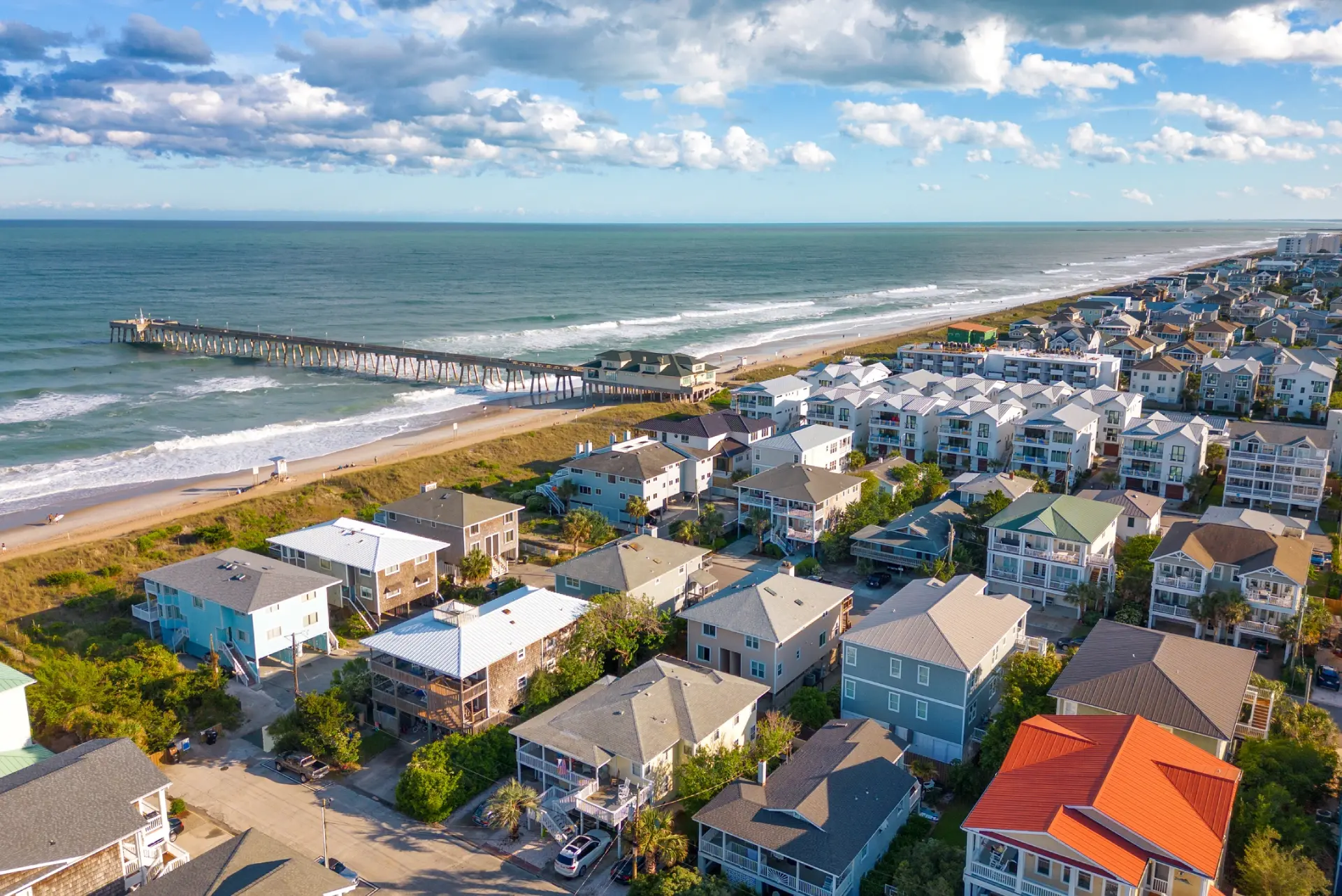
- Which one tends to make more sense for coastal homes
If you’re planning a new roof or a full replacement, talking through both shapes with a local roofer is worth doing before you settle on a design.
What’s the Basic Structural Difference?

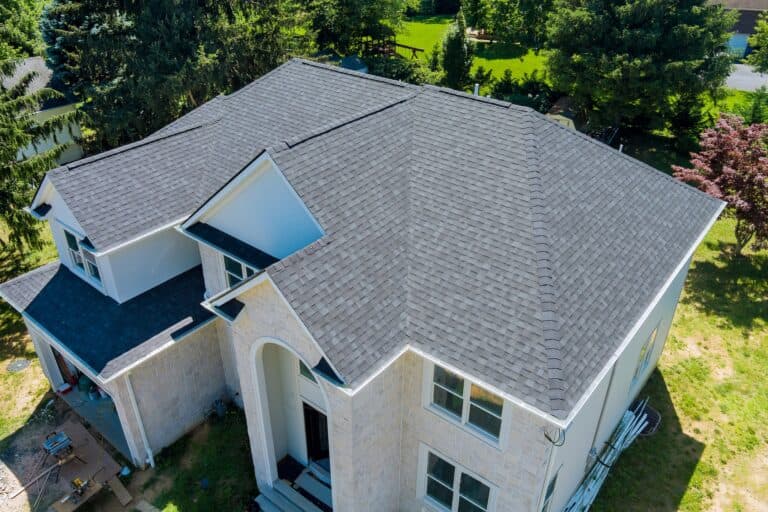
A gable roof has two sloped sides that meet at a ridge, forming a triangular wall, called the gable end, at each end of the house. A hip roof slopes on all four sides and comes together at a ridge with no vertical end walls at all. That single structural difference, the presence or absence of a flat gable end, is behind almost every practical difference between the two roof types.
Both shapes have been used in residential construction for centuries, and both remain common today, largely because each one solves for a different set of priorities. Gable roofs prioritize simplicity, cost, and interior space, while hip roofs prioritize aerodynamic performance and even weathering across the entire structure.
6 Key Differences Between Hip and Gable Roofs
Here’s how hip and gable roofs actually compare across the factors that matter most to homeowners.
1. Wind Resistance and Storm Performance
This is often the deciding factor for homeowners in coastal or hurricane-prone regions.
- Aerodynamic shape: A hip roof’s sloped sides let wind flow over the structure rather than catching it like a sail
- Wind tunnel data: According to the U.S. Department of Energy’s Building America Solution Center, wind tunnel testing found that peak wind-induced pressures can be as much as 50% lower in a hip roof compared to a gable roof
- Gable end vulnerability: Gable roofs require additional bracing at the gable end wall to resist uplift and racking forces in high winds
- Self-bracing design: A hip roof’s four-sided slope is inherently more resistant to wind-driven structural stress
2. Cost to Build
Cost is one of the clearest differences between the two, and it shows up at every stage of construction.
- Simpler framing: Gable roofs require less complex framing, which generally makes them cheaper to build
- More materials: Hip roofs use more roofing material and structural framing due to their additional slopes
- Labor time: The added complexity of a hip roof typically means more labor hours during construction
- Budget impact: Homeowners on a tighter roofing budget often lean toward gable roofs for this reason alone
3. Attic Space and Storage
The shape of the roof directly affects how much usable space is available underneath it.
- More headroom: Gable roofs generally offer more attic space and easier headroom due to their simpler triangular shape
- Sloped ceilings: Hip roofs have less attic space since all sides slope downward toward the walls, creating more angled ceiling area
- Living space potential: Gable roofs are often easier to convert into additional living space down the line
- Solar panel space: The larger, simpler planes of a gable roof can also make solar panel installation more straightforward
4. Drainage and Water Performance
Water management is another area where the two designs genuinely differ.
- All-around drainage: A hip roof has eaves and gutters on all four sides, which generally improves overall drainage
- Gable end exposure: The vertical gable end wall on a gable roof is more exposed to wind-driven rain
- Valley considerations: More complex hip roof variations can introduce additional valleys, which are common leak points if not properly flashed
- Long-term weathering: Gable end walls tend to show more visible weathering over time than the sloped sides of a hip roof
5. Design Flexibility and Aesthetics
Neither shape is objectively better looking, but they do lend themselves to different architectural styles.
- Classic silhouette: Gable roofs have a simple, classic look that suits many traditional home styles
- Streamlined profile: Hip roofs offer a lower, more streamlined profile that some homeowners prefer aesthetically
- Ventilation ease: Gable roofs are generally easier to vent due to their simpler shape
- Regional style trends: Certain regions and architectural styles lean more heavily toward one shape than the other
6. Insurance Rates and Long-Term Value
This difference often surprises homeowners who haven’t shopped for coverage in a high-wind region.
- Potential discounts: Many home insurance companies offer lower premiums for homes with hip roofs due to their storm performance
- Wind mitigation inspections: Some insurers require a wind mitigation inspection to verify the roof qualifies for a discount
- Coverage thresholds: Insurers often require the hip roof to cover a significant majority of the home’s total roof area to qualify
- Long-term savings: Even a modest annual discount can offset some of the added upfront cost of a hip roof over time
Other Roof Styles Worth Knowing
Hip or gable roof isn’t always an either-or choice, and several hybrid and alternative roof styles borrow from both. Understanding where these fit can help you talk through options with more confidence during your own roof replacement.
- Dutch gable roof: A hip roof design with a small dutch gable, or gable vents, built into the upper portion for extra attic ventilation and light
- Cross gable roof: Two or more gable roof sections intersecting at an angle, common on homes with an L-shaped or more complex footprint
- Mansard roof: A four-sided design where all sides slope downward at a steep angle before flattening near the top, offering significant additional living space
- Gambrel roof: Similar to a mansard roof but with only two sides, most commonly seen on barns and some traditional home styles
- Pyramid roof: A hip roof variation where all sides slope upward to a single point rather than a ridge line, often used on smaller structures
- Half hip roof: A gable roof with the very top of each gable end clipped back into a small hip, blending the two roof styles into one design
- Pavilion roof: Another term sometimes used for a pyramid-style hip roof, particularly on gazebos and other freestanding structures

Which One Makes Sense for Your Home?
For homes in coastal or high-wind regions, a hip roof’s storm performance and potential insurance savings often outweigh its higher upfront cost and reduced attic space. For homes in calmer climates, or for homeowners prioritizing attic storage, ventilation ease, or a lower construction budget, a gable roof remains a practical, proven choice. Many homes also use a combination of both, with hip and gable sections working together to balance the tradeoffs of each design.
Hip Roof Vs Gable Roof: Common Questions Answered
Here are direct answers to the questions homeowners ask most when comparing these two roof types.
Which roof shape lasts longer?
Roof lifespan depends more on materials and maintenance than shape alone, but hip roofs tend to weather more evenly over time since they lack a gable end wall exposed to direct wind and rain.
Can a gable roof be retrofitted to perform better in high winds?
Yes. Proper bracing of the gable end wall, along with reinforced connectors and sheathing, can significantly improve a gable roof’s wind performance, though it won’t fully match a hip roof’s inherent aerodynamic advantage.
Does a hip roof always cost more than a gable roof?
Generally, yes, due to the additional framing, materials, and labor involved. The exact cost difference depends on the size and complexity of the home’s overall design.
Is one roof type required in hurricane-prone areas?
Building codes don’t typically mandate one shape over the other, but many building science guidelines and insurance programs favor hip roofs in high-wind zones due to their documented performance advantage.

Weighing Hip vs Gable for Your Next Roof?
Choosing between a hip and gable roof is a decision that affects your home for decades, so it’s worth getting real numbers before committing either way on residential roofs of any size. Summit Roofing can walk your property, talk through how each shape would perform given your home’s specific exposure and layout, and give you an honest comparison of cost, materials, and long-term tradeoffs for your upcoming roof replacement so you can make the choice with confidence.
Get a roofing consultation from Summit Roofing today.