
 7 Min Read
 09/30/2026
Roof Ridge Cap: 6 Important Facts Homeowners Should Know
The ridge of a roof, where two roof slopes meet at the very top, takes more punishment than almost any other part of the structure. A roof ridge cap is what protects that vulnerable seam where roof slopes meet, and while it’s easy to overlook, it’s one of the more important components on the entire roof.
Here’s a quick look at what we’ll cover:
- What a ridge cap actually is and why it matters
- Facts homeowners rarely know about how ridge caps perform
- Why ridge caps often fail before the rest of the roof
- Signs it’s time to have yours inspected or replaced
If you’re not sure what shape your ridge cap is in, a look at the top of your roofline is one of the quickest ways to spot an early warning sign.
What Is a Roof Ridge Cap, and Why Does It Matter?
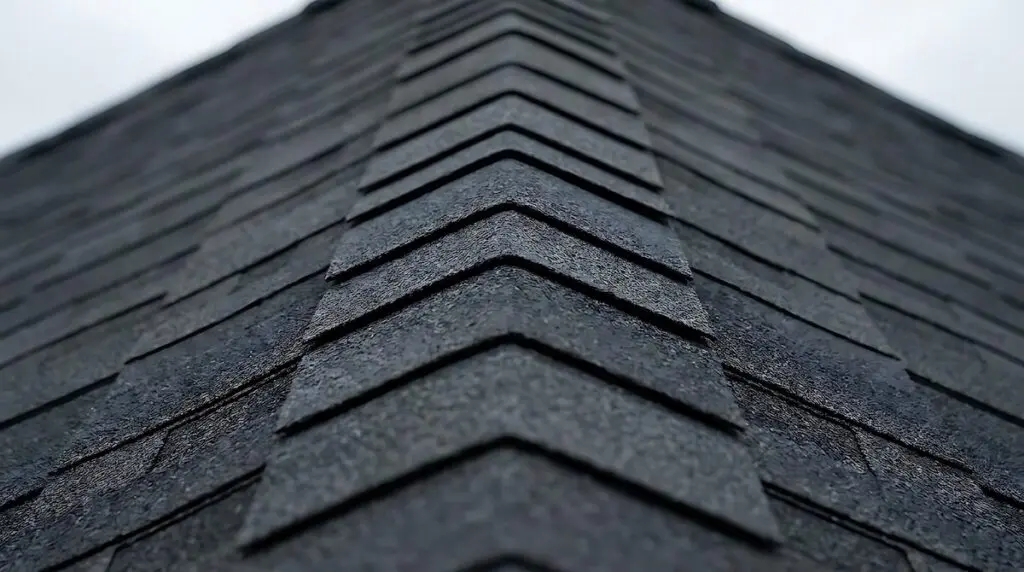
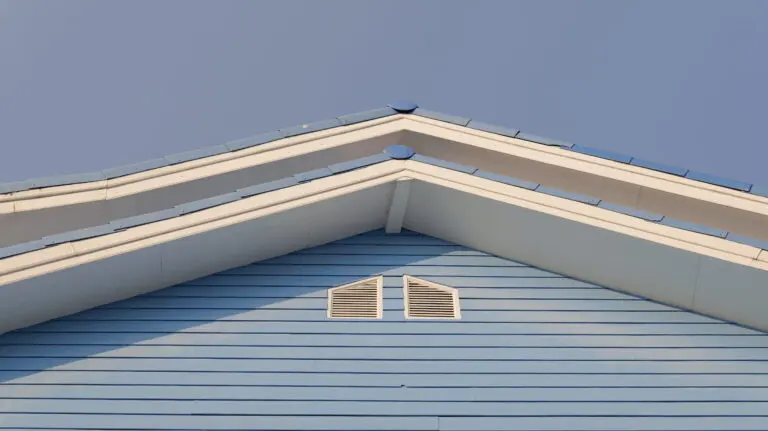
A ridge cap is a series of specially shaped shingles or metal pieces installed along the peak of a roof, covering the seam where two roof planes meet. Without proper ridge cap shingles, that seam would be directly exposed to wind-driven rain, sun, and debris. Historically, hand-cut three-tab shingles were sometimes used for this purpose, but purpose-built hip and ridge cap shingles have become standard practice as architectural shingles have taken over most of the market. On standing seam and other metal roofs, a metal roofing ridge cap serves the exact same function, just fabricated from formed metal instead of asphalt.
6 Important Facts About Roof Ridge Caps
Here’s what homeowners often don’t know about this small but critical roofing component.
1. Ridge Caps Are Built Differently Than Field Shingles
Ridge cap shingles aren’t just regular shingles cut down to size, they’re manufactured specifically to bend over the ridge line without cracking.
- Material difference: Ridge cap shingles are thicker and more flexible than standard field shingles
- Purpose-built shape: They’re designed to fold cleanly over the ridge without stressing the material
- Profile options: High-profile ridge caps create a dimensional look and promote faster water runoff compared to a low-profile design
- Matching aesthetics: Manufacturers typically design ridge caps to match the color and texture of the field shingles
- Not interchangeable: Using standard shingles as a substitute is a common shortcut that shortens the ridge’s lifespan
2. The Ridge Takes More Wind Stress Than Any Other Part of the Roof
Wind doesn’t hit a roof evenly, and the ridge line experiences some of the highest uplift forces during a storm.
- Uplift concentration: Wind speeds up and creates negative pressure right at the ridge, increasing the risk of shingles lifting off the roof surface
- First point of failure: Ridge caps are often the first shingles to show wind damage after a storm
- Design implications: This is why manufacturers specify tighter nailing patterns for ridge caps than for the rest of the roofing system
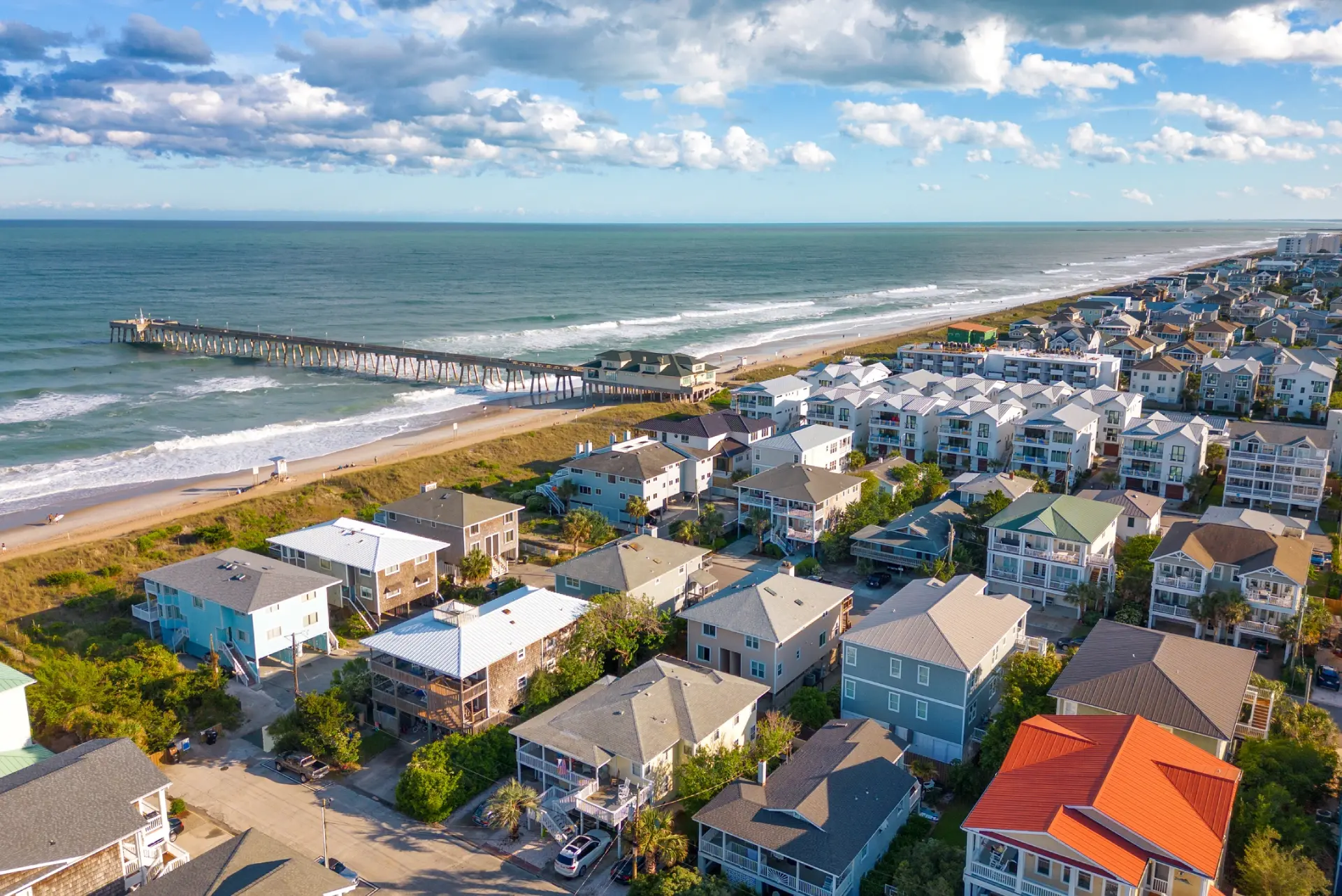
- Regional relevance: Coastal homes see this stress more frequently due to consistent wind exposure
3. Proper Nailing Matters More Here Than Anywhere Else on the Roof
Because ridge caps take the brunt of wind uplift, correct installation matters even more here than on the rest of the roof.
- Fastener upgrade: According to the Insurance Institute for Business & Home Safety’s FORTIFIED program, using ring-shank nails nearly doubles the strength of a roof against the forces of wind compared to standard smooth nails
- Nailing pattern: Manufacturer specifications typically call for a tighter nail spacing along the ridge than on the open field
- Common shortcut: Under-nailing or using the wrong fastener type at the ridge is one of the most common installation errors
- Long-term impact: Proper fastening here can be the difference between a ridge cap that lasts and one that fails early
4. Ridge Caps Often Fail Before the Rest of the Roof
Because of the added exposure, it’s common for a damaged ridge cap to need attention well before the rest of a roof shows comparable wear.
- Earlier wear: Constant sun and wind exposure accelerates aging at the ridge compared to other roof sections
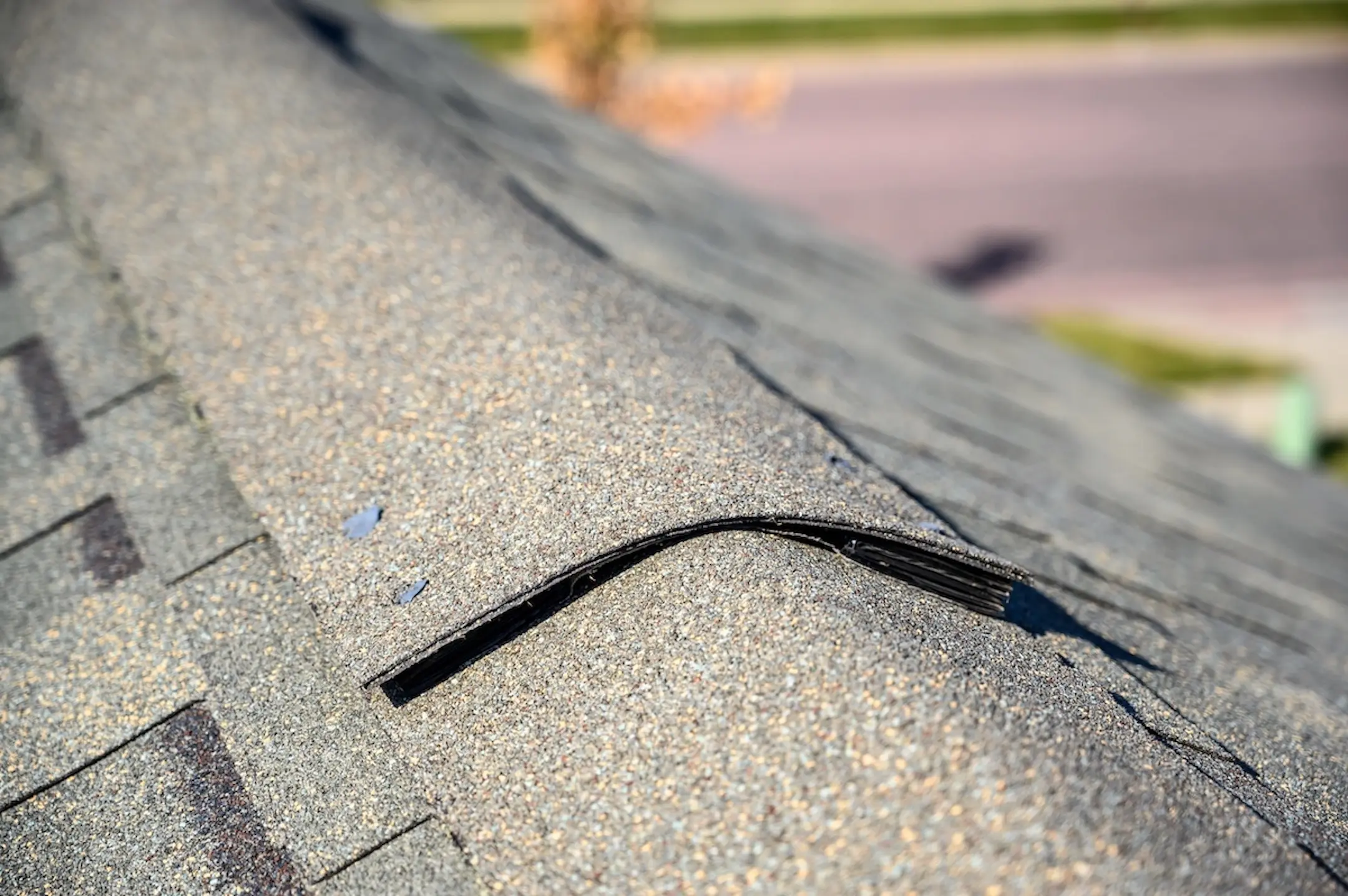
- Visible signs first: Curling, cracking, or lifted ridge shingles are often the earliest visible sign of overall roof aging
- Isolated repairs possible: A worn ridge cap doesn’t always mean a full roof replacement is necessary
- Inspection priority: Professional inspectors typically check the ridge closely, even when the rest of the roof looks fine
5. Ridge Vents Are Often Installed Underneath
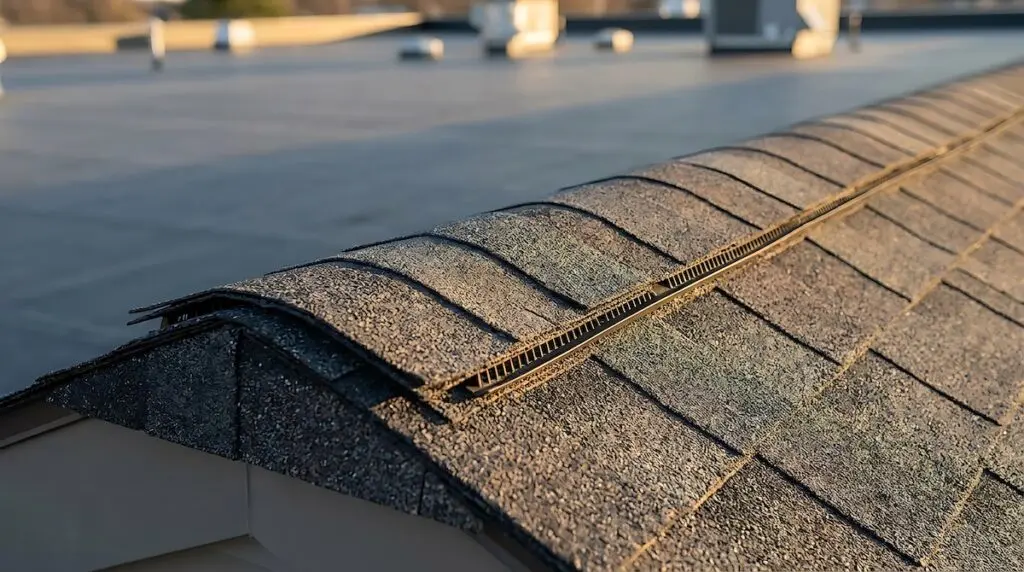
Many modern roofs use a ridge vent system for attic ventilation, with the ridge cap installed directly over it.
- Combined function: The ridge cap both protects the vent and completes the roofline’s finished look
- Compatibility matters: Ridge cap products need to be compatible with the specific ridge vent system being used
- Ventilation benefit: A properly vented ridge helps regulate attic temperature and moisture
- Installation care: Improper installation over a ridge vent can compromise both the vent’s function and the cap’s seal
6. Signs Your Ridge Cap Needs Attention
Knowing what to look for helps you catch ridge cap issues before they turn into a leak.
- Visual cues: Visible cracks in the ridge cap indicate structural damage, while curling or missing ridge shingles point to general wear
- Granule loss: Excessive granule loss concentrated along the ridge line, more than on the rest of the roof
- Moisture signs: Mold on the ridge cap indicates excessive moisture retention and should be addressed promptly
- Interior signs: Water stains near the top of interior walls or in the attic near the ridge
- Age consideration: A ridge cap showing wear on a roof under 10 years old is worth a closer inspection
How Often Should Ridge Caps Be Inspected or Replaced?
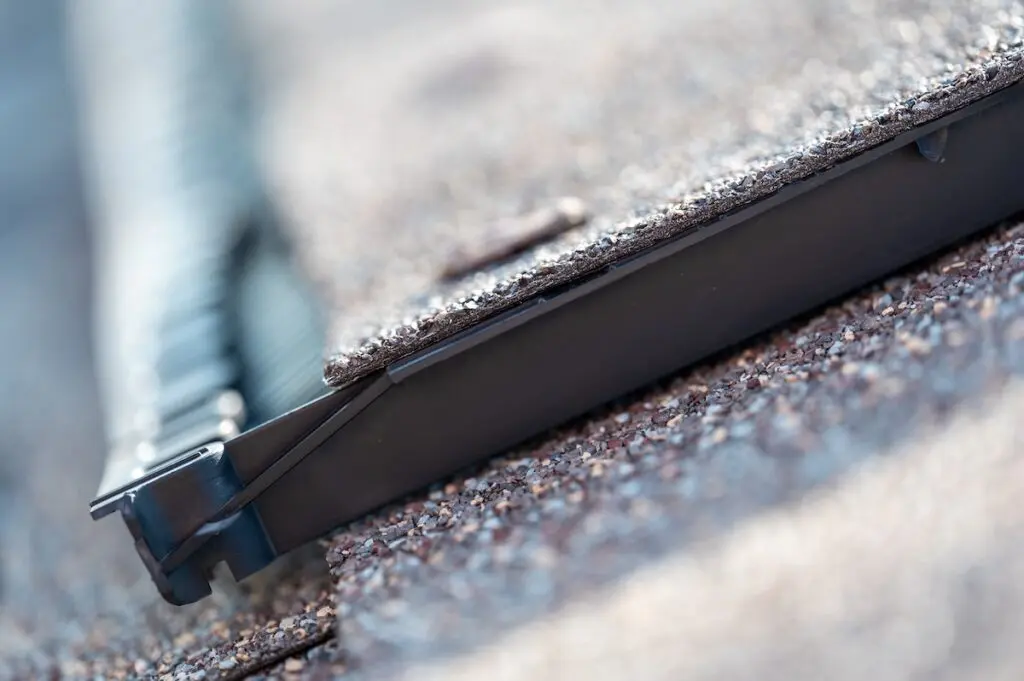
Ridge caps should get a close look during every routine roof inspection, ideally twice a year and after any significant storm. Because they wear faster than the rest of the roof, a ridge cap can sometimes need targeted repair or replacement years before a full reroof is necessary. Catching this early is usually a straightforward, relatively inexpensive fix compared to what happens if a compromised ridge is left unaddressed through another storm season.
Ridge cap replacement costs typically range from $300 to $800, though replacement costs depend on roof size, materials, and labor in your specific market. When getting quotes, obtain written estimates detailing scope, materials, and costs so you can compare bids accurately, and choose contractors with extensive experience in ridge cap work specifically, since the nailing pattern and product compatibility requirements are easy to get wrong without that experience.
Roof Ridge Cap: Common Questions Answered
Here are direct answers to the questions homeowners ask most about ridge caps.
Can a ridge cap be replaced without replacing the whole roof?
Yes, in most cases ridge cap replacement can be handled on its own when a section is worn or damaged, as long as the rest of the roof is still in reasonably good condition.
How long does a ridge cap typically last?
It varies, but ridge caps often show wear before the rest of an asphalt shingle roof, sometimes years ahead of the field shingles, due to their constant exposure to wind and sun.
Is it normal for the ridge cap to look different from the rest of my roof?
Some color variation is normal over time due to uneven weathering, but significant curling, cracking, or missing pieces are signs of wear rather than just cosmetic aging.
Can I install a ridge cap myself?
It’s technically possible for a confident DIYer, but the specific nailing pattern and product compatibility requirements make this an area where professional installation significantly reduces the risk of premature failure.
Not Sure About the Condition of Your Ridge Cap?
The ridge might be a small part of your roof, but it takes on an outsized share of the wear and tear over the life of the roof, whether you have asphalt shingles or metal roofing. Summit Roofing can take a close look at your ridge line during a routine inspection, flag any early warning signs, and handle a targeted repair before a small issue at the top of your roof turns into one of the many roof leaks that start right at the ridge.
Schedule a ridge cap inspection with Summit Roofing today.