
 7 Min Read
 09/11/2026
Impact Resistant Shingles: 6 Benefits Every Homeowner Should Know
Hail doesn’t discriminate between an old roof and a new one, but the roofing shingles underneath make a real difference in how much storm damage it actually causes. Impact resistant shingles, sometimes called hail resistant shingles, are built specifically to withstand hail and debris strikes that would crack or puncture a standard shingle, and the benefits go well beyond just surviving the next storm.
Here’s a quick look at what we’ll cover:
- What actually makes a shingle “impact resistant”
- The real, practical benefits homeowners see from choosing them
- Whether the added upfront cost is worth it long-term
- How to know if they’re the right fit for your home
If you’re weighing options for your next roof, comparing impact-resistant options against standard residential roofing materials is a good place to start before making a final decision.
What Makes a Shingle “Impact Resistant”?

Impact resistant shingles are tested and rated under UL 2218, a standard developed by Underwriters Laboratories that measures how well a roofing material holds up against hail-sized impacts, unlike traditional asphalt shingles that carry no such rating. The test involves dropping steel balls of increasing size onto the shingle and checking the underside for cracks or breaches. Class 4 shingles withstand a 2-inch steel ball dropped from 20 feet, the toughest test in the standard. Impact resistance ratings for shingles run from Class 1 to Class 4, with Class 4 representing the highest level of impact resistance and the rating most commonly recognized by insurance companies for premium discounts.
It’s worth noting that the test focuses on structural breaches rather than cosmetic damage. A Class 4 shingle can still show surface dents or minor granule loss after a hail strike and still pass, since the standard is really about preventing water intrusion, not preserving a flawless appearance. Manufacturers achieve this durability through different methods, including reinforced mesh backing or polymer-modified asphalt that adds flexibility without sacrificing structural integrity.
6 Benefits of Impact Resistant Shingles
Here’s what homeowners actually gain by choosing impact resistant shingles over standard asphalt options.
1. Better Protection Against Hail Damage
This is the most obvious benefit, and it’s a bigger deal than most homeowners realize until they’ve been through a bad hailstorm.
- Direct impact resistance: A UL 2218-rated shingle withstands significantly more force than a standard shingle before cracking
- Storm frequency matters: According to UL Solutions, annual losses from hailstorms in the United States reach a yearly average of $10 billion, based on NOAA severe storm data
- Reduced granule loss: Impact resistant shingles keep their protective granules intact better than standard products, contributing to a more durable roof
- Fewer post-storm surprises: Homeowners with impact-rated roofs often find far less damage after a hail event than neighbors with standard shingles
2. Potential Insurance Premium Discounts
Many insurance companies offer meaningful discounts for homes with Class 4 impact resistant shingles, particularly in hail-prone regions.
- Discount range: Discounts vary by insurance provider and state, but can meaningfully reduce your annual premium
- Documentation required: Insurers typically require proof of the shingle’s UL 2218 rating to apply the discount
- Regional variation: Some states have larger discount programs than others, so it’s worth asking your agent directly
- Long-term value: Even a modest annual discount adds up significantly over the life of the roof
3. Longer Roof Lifespan
Impact resistant shingles are built with reinforced construction that helps them hold up better over time, not just during a single storm. In many cases, impact-resistant shingles can extend roof lifespan beyond 20 years, and because they need replacing less often, impact-resistant shingles can also reduce environmental waste from roofing over the life of a home.
- Reinforced backing: Many impact resistant shingles use a mesh or scrim layer that adds durability beyond hail resistance
- Less cumulative wear: Withstanding repeated minor impacts over the years means less gradual degradation
- Manufacturer warranties: Many impact resistant products carry stronger manufacturer warranties reflecting their durability
- Fewer premature replacements: A roof that holds up better against storms is less likely to need early replacement
4. Fewer Repairs After Storms
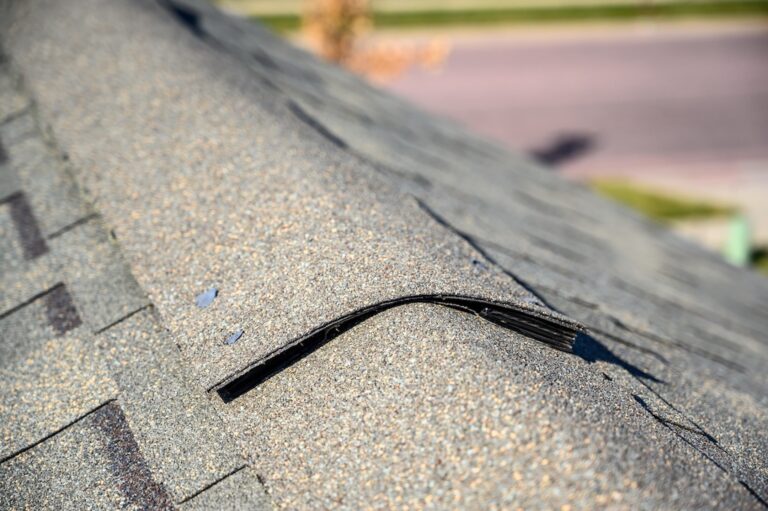
Standard shingles that crack or lose significant granules after hail often need targeted repairs, even if the roof isn’t leaking yet.
- Fewer repair calls: Impact resistant roofs tend to need fewer post-storm repair visits
- Lower lifetime repair costs: Fewer repairs over the life of the roof can offset some of the upfront cost difference
- Simplified insurance claims: Less visible damage after a storm can mean a more straightforward claims process, if one is needed at all
- Less disruption: Fewer repairs also means less disruption to your home and schedule over time
5. Added Wind Resistance
While UL 2218 specifically measures impact resistance, many impact resistant shingle lines are also engineered with enhanced wind ratings, reflecting a broader trend in the roofing industry toward combining multiple protections in a single product. Impact ratings apply to metal roof panels and other materials too, not just asphalt shingles, though asphalt remains the most common application for residential homes.
- Combined protection: Many manufacturers pair impact resistance with high wind ratings in the same product line
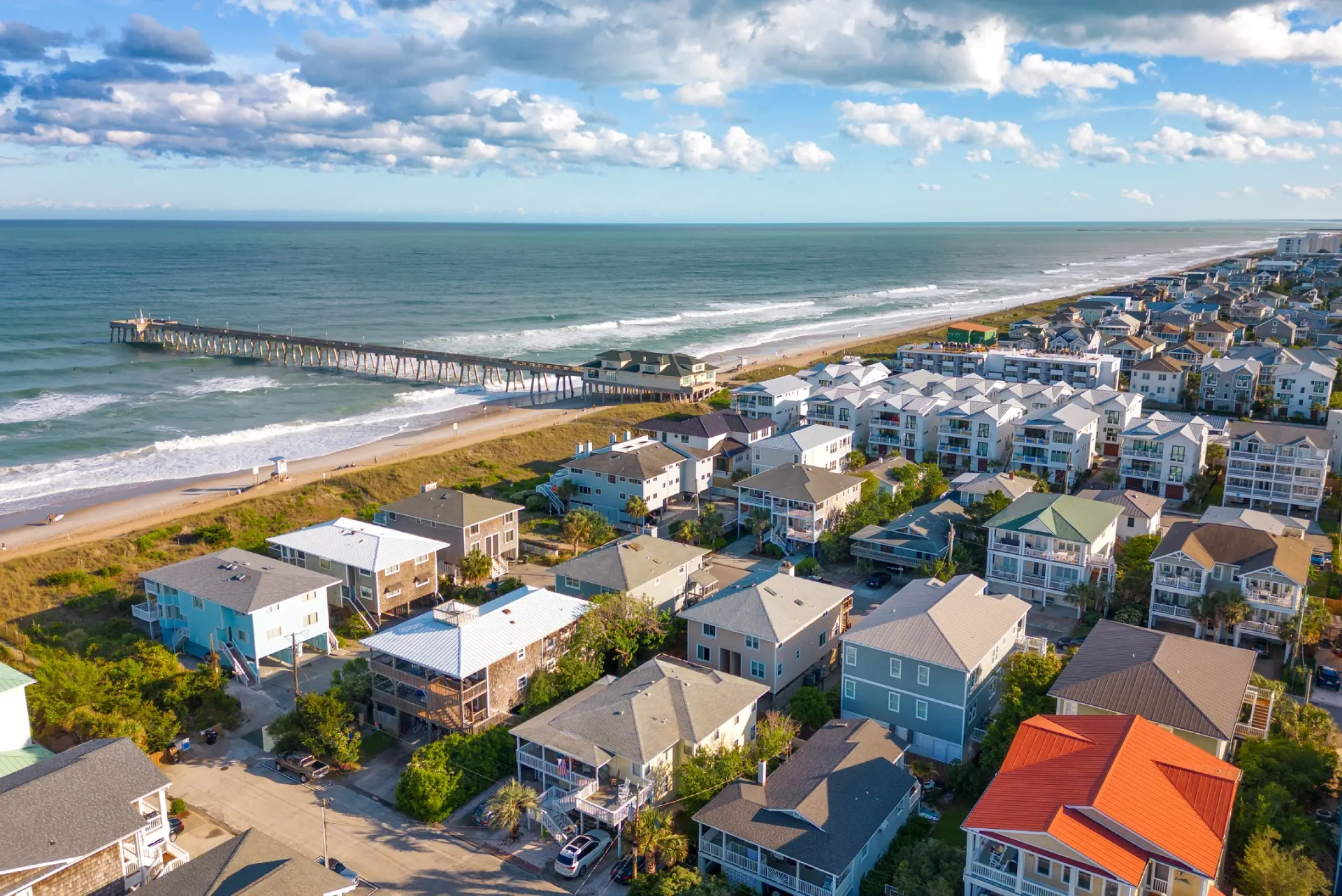
- Coastal relevance: This combination is especially valuable in areas that see both hail and high wind events
- Sealant strength: Many impact resistant shingles use upgraded adhesive strips that resist wind uplift better than standard products
- One upgrade, two benefits: Homeowners get storm protection on two fronts without a separate product decision
6. Peace of Mind During Storm Season
There’s a real, if less measurable, benefit to simply worrying less every time a storm rolls through.
- Fewer post-storm inspections needed out of urgency: Confidence in your roof’s resilience reduces the anxiety of checking after every storm
- Predictable costs: Fewer surprise repairs make home maintenance budgeting more predictable
- Resale consideration: Buyers in hail-prone areas increasingly ask about impact resistant materials during home purchases
- Long-term confidence: Knowing your roof was built for the conditions in your area is worth something on its own

Are Impact Resistant Shingles Worth the Extra Cost?
Impact resistant shingles typically cost more upfront than standard asphalt shingles, but the calculation looks different depending on where you live. In hail-prone regions, the combination of insurance discounts, fewer repairs, and genuine storm protection often makes the upgrade pay for itself over time. Keep in mind that impact-resistant shingles may require specific installation methods to maintain the manufacturer’s warranty, so it’s worth confirming your contractor is familiar with the product line you choose. In areas with less frequent severe hail, the decision comes down more to personal risk tolerance and how long you plan to stay in the home. A roofing contractor familiar with your specific climate and insurance market can help you run the numbers for your situation.
Impact Resistant Shingles: Common Questions Answered
Here are direct answers to the questions homeowners ask most about impact resistant shingles.
Do impact resistant shingles actually look different from standard shingles?
Not usually. Most impact resistant shingle lines are designed to closely match the appearance of standard architectural shingles, so you typically don’t sacrifice curb appeal for the added protection.
How much more do impact resistant shingles cost?
They generally cost more per square than standard shingles, though the exact difference varies by brand and region. A local roofing contractor can give you an accurate comparison based on current material pricing.
Will my insurance company automatically know I have impact resistant shingles?
No. You’ll typically need to provide documentation, such as a manufacturer certification showing the UL 2218 rating, to your insurance company to apply for any available discount.
Are all “impact resistant” shingles Class 4 rated?
No. Some products marketed as impact resistant may only achieve a Class 1, 2, or 3 rating. If insurance discounts or maximum protection are your goal, confirm the specific UL 2218 class rating before purchasing.
Considering an Upgrade to Impact Resistant Shingles?

If hail has been a recurring concern for your home, or you’re simply planning ahead for your next roof replacement, impact resistant shingles are worth serious consideration. Summit Roofing can walk you through which impact resistant product lines we install, help you understand what insurance discounts might apply in your area, and give you a straightforward comparison against standard shingle options so you can make the choice that actually fits your home and budget.
Get a quote on impact resistant shingles from Summit Roofing today.