 7 Min Read
 10/02/2026
Roof Maintenance Checklist: A Simple Guide for Annual Maintenance in 2026
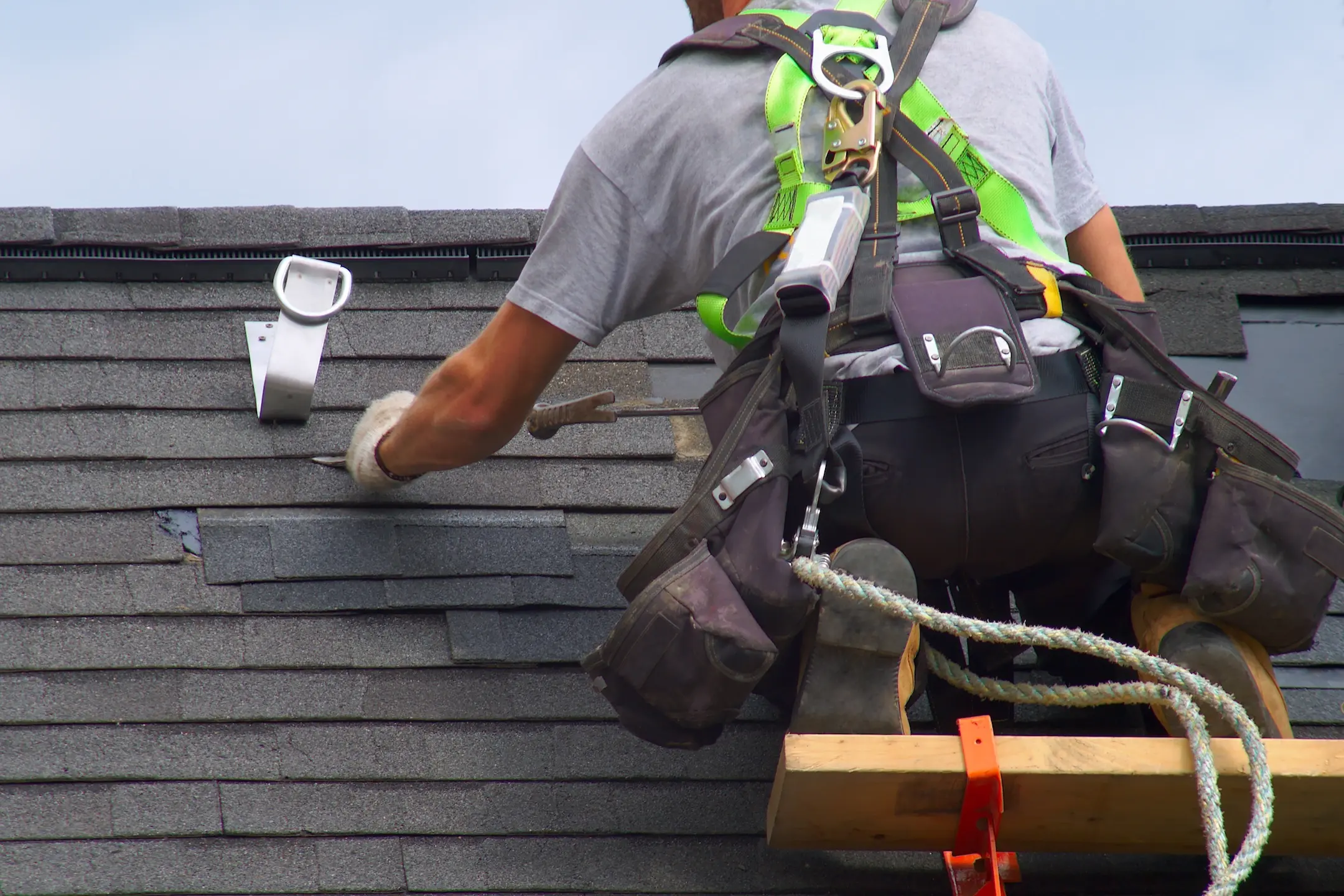
Most roof problems don’t start as emergencies. They start small, get ignored, and grow into costly repairs. A solid roof maintenance checklist, sometimes called a roof maintenance plan, turns that pattern around by giving you a simple, repeatable rhythm to follow throughout the year instead of only thinking about your roof, or your roofing materials, when something goes wrong.
Here’s a quick look at what we’ll cover:
- A season-by-season breakdown of what to check and when
- Tasks homeowners can safely handle themselves
- Tasks better left to a professional
- How to build this into a habit rather than a one-time project
If 2026 is the year you finally get ahead of roof maintenance instead of reacting to it, a professional walk-through of your roof is the easiest way to start with an accurate baseline.
Why a Checklist Beats “I’ll Get to It Eventually”
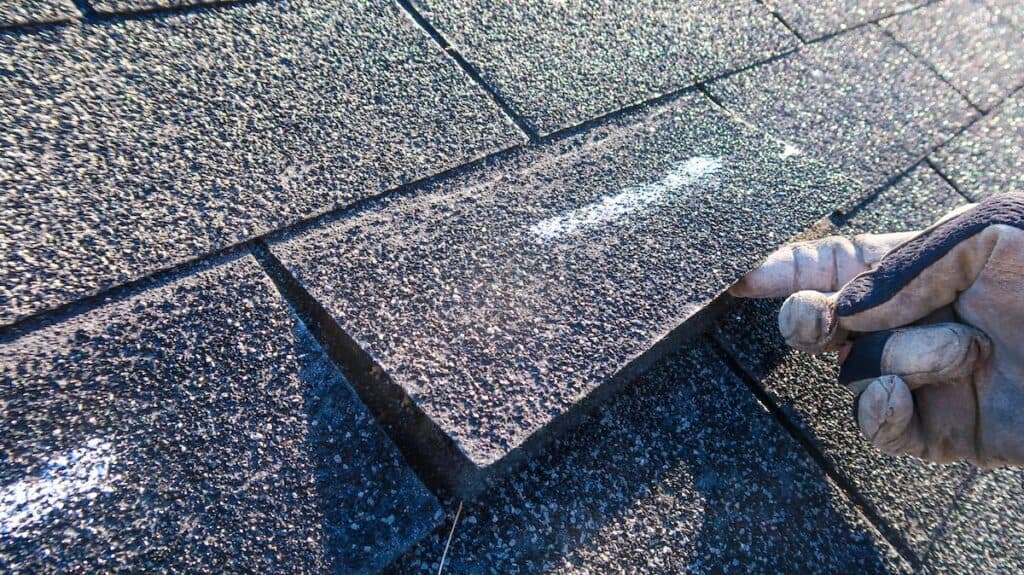
Roof maintenance fails most often not because homeowners don’t care, but because there’s no system to actually follow through. According to the National Roofing Contractors Association’s Professional Roofing publication, building owners and homeowners should schedule roof system inspections at least twice per year, in the spring and fall. A checklist tied to that rhythm turns a vague intention into something you actually do, twice a year, without having to remember every individual task from memory.
The value of a checklist isn’t just remembering to do the work, it’s doing the right roof maintenance tasks at the right time. Trimming trees in the fall matters more than in spring, and checking attic ventilation in the peak of summer heat catches problems that a cooler-weather check might miss entirely. Organizing tasks by season means each check happens when it’s actually most useful, not just whenever it crosses your mind.
Spring Roof Maintenance Checklist
Spring is about assessing what winter left behind and getting ahead of storm season.
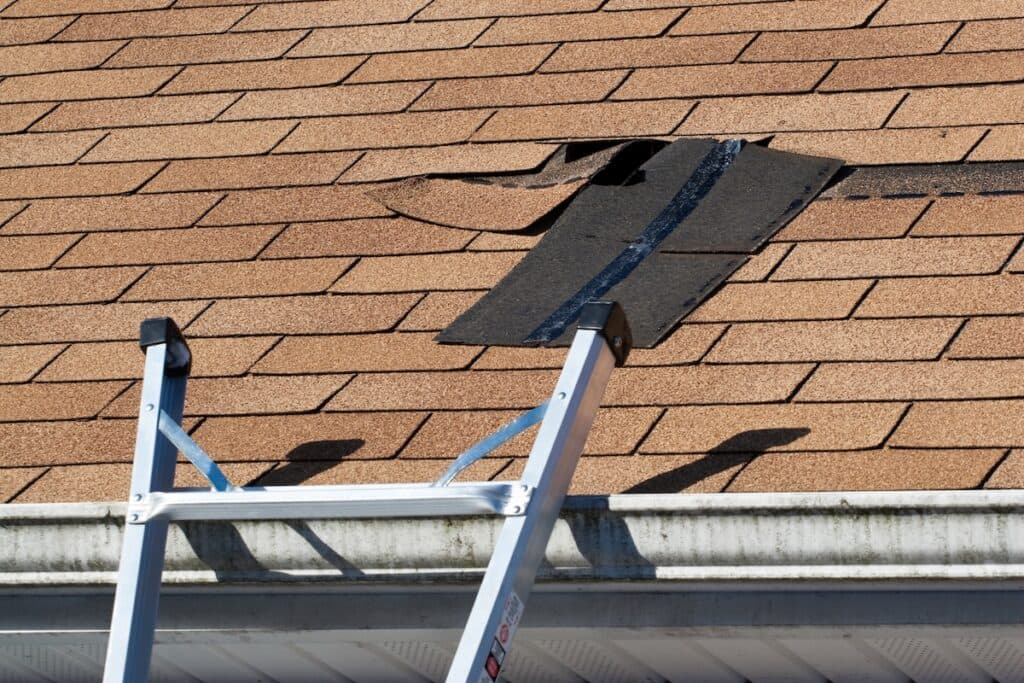
- Inspect the roof surface for shingles lifted, cracked, or missing over the winter
- Clear gutters and downspouts of accumulated debris
- Check attic ventilation for signs of trapped winter moisture
- Inspect flashing around chimneys, vents, and skylights for winter wear
- Trim back any tree branches that grew closer to the roofline
- Check for moss or algae growth that developed over the wetter months
Summer Roof Maintenance Checklist
Summer heat puts its own kind of stress on a roof, and this is a good window for any repairs identified in spring.
- Schedule any repairs flagged during the spring inspection before storm season peaks
- Check attic temperature and ventilation during the hottest part of the day
- Look for early signs of shingle curling or blistering from heat exposure
- Confirm gutters are still flowing freely after any early-season storms
- Inspect any rooftop equipment, like vents or solar attachments, for wear
Fall Roof Maintenance Checklist
Fall preparation is about getting the roof ready for winter weather before it arrives.
- Clean gutters again once the bulk of leaf drop has occurred
- Check and reseal flashing before winter moisture becomes an issue
- Trim overhanging branches ahead of winter storms
- Schedule your second professional inspection of the year
- Confirm attic insulation and ventilation are ready for colder temperatures
Winter Roof Maintenance Checklist
Winter is mostly about monitoring rather than active maintenance, especially in regions that see snow or ice.
- Watch for ice dam formation along the eaves after freezing weather
- Do a visual check from the ground after any significant winter storm
- Check the attic for signs of condensation or moisture buildup
- Keep an eye on interior ceilings for new water stains after storms
- Note any issues to address as soon as weather allows safe roof access
Does This Checklist Apply to Commercial Roofs Too?
The seasonal rhythm here works well for residential homes, but commercial roofs, especially flat roof systems, generally need a more formal commercial roof maintenance plan. Commercial roofs deal with additional factors like ponding water, rooftop mechanical equipment, and stricter warranty documentation requirements, so while the twice-a-year inspection principle still applies, the specific tasks and inspection depth typically go further than what’s outlined here for a residential asphalt shingle roof.
Keeping a Simple Maintenance Log
A checklist works even better paired with a basic log of what you’ve done and when. This doesn’t need to be complicated, a simple note on your phone or a shared document with the date, what was checked, and any issues found is enough to make a real difference over time.
- Note the date of each seasonal check and who performed it
- Take a few photos each time, even when nothing looks wrong
- Record any repairs made, including who did the work
- Keep receipts and invoices together with the log for warranty and insurance purposes
This kind of record becomes genuinely valuable if you ever need to file an insurance claim, sell the home, or simply want to track how your roof is aging over time. It also makes conversations with a roofing contractor much more efficient, since they can see exactly what’s already been checked and when.

What to Handle Yourself vs. What to Leave to a Professional
Ground-level visual checks, gutter clearing from a stable ladder, and general observation are reasonable for most homeowners to manage. Anything involving actual roof access, close-up flashing inspection, or repair work is safer and more effective when handled by a trained professional. A checklist helps you know what to look for either way, even if a professional ends up doing the hands-on work.
It’s worth being honest with yourself about where that line sits for your own comfort and experience. Even a straightforward task like clearing debris from a valley can be risky on a steep roof or during wet conditions. When in doubt, documenting what you see from the ground and flagging it for a professional visit is almost always the safer choice than pushing your own limits on roof access.
Roof Maintenance Checklist: Common Questions Answered
Here are direct answers to the questions homeowners ask most about building a maintenance routine.
How long should I keep records of my roof maintenance?
Ideally for as long as you own the home. Documentation of regular maintenance supports warranty claims, helps with insurance disputes, and gives any future roofing contractor useful history to work from.
What’s the single most important item on this checklist?
If you can only do one thing consistently, keep your gutters clear. Clogged gutters are behind a disproportionate share of water damage at the roof’s edge, and it’s one of the easiest tasks for a homeowner to handle directly.
Should this checklist change based on my roof type?
Yes, to some degree. Metal roofs benefit from fastener checks, tile roofs need mortar and underlayment attention, and asphalt shingle roofs should be monitored for granule loss, but the seasonal rhythm and general principles apply across roof types.
Is a professional maintenance plan worth it compared to doing this myself?
For many homeowners, yes, particularly once a roof passes the ten-year mark or has any repair history. A professional plan adds documented inspections, priority scheduling, and a trained eye that catches things a homeowner walkthrough often misses.
What tools do I actually need to follow this checklist myself?
For the ground-level and gutter-related tasks, a sturdy ladder, work gloves, and a way to take photos cover most of what you’ll need. Anything requiring roof access, like close-up flashing inspection, calls for proper fall protection and training that most homeowners don’t have on hand, which is a good signal to bring in a professional instead.
Ready to Build Your 2026 Maintenance Routine?
A checklist only works if someone actually follows through on it, and that’s exactly where Summit Roofing can help. We’ll walk your roof, document its current condition with photos as part of a professional roof inspection, and help you build a maintenance rhythm that fits your specific roof, home, and budget, so 2026 is the year small issues stop turning into big ones.
Schedule your annual roof inspection with Summit Roofing today.