 8 Min Read
 11/06/2026
Can a New Roof Be Put On in Winter? 7 Myths Homeowners Believe About Cold Weather Roofing
So, can a new roof be put on in winter? It’s one of the most common questions homeowners ask once a roof starts showing its age in the fall, and the answers they hear tend to be a mix of half-truths. Some say you have to wait out the winter months until spring, while others say the season makes no difference at all. The reality sits in the middle: winter roofing is often possible, but cold weather changes a few things that are worth understanding before you decide.
Here’s a quick look at what we’ll cover:
- How cold weather actually affects a shingle roof installation
- Seven common myths about winter roofing, and what’s really true
- How to decide whether to replace your roof now or wait for spring
- Questions to ask any contractor about cold weather work
If you’re weighing your options, comparing shingle options and brands and our residential roofing services can help you plan around the season.
How Cold Weather Affects a Roof Installation
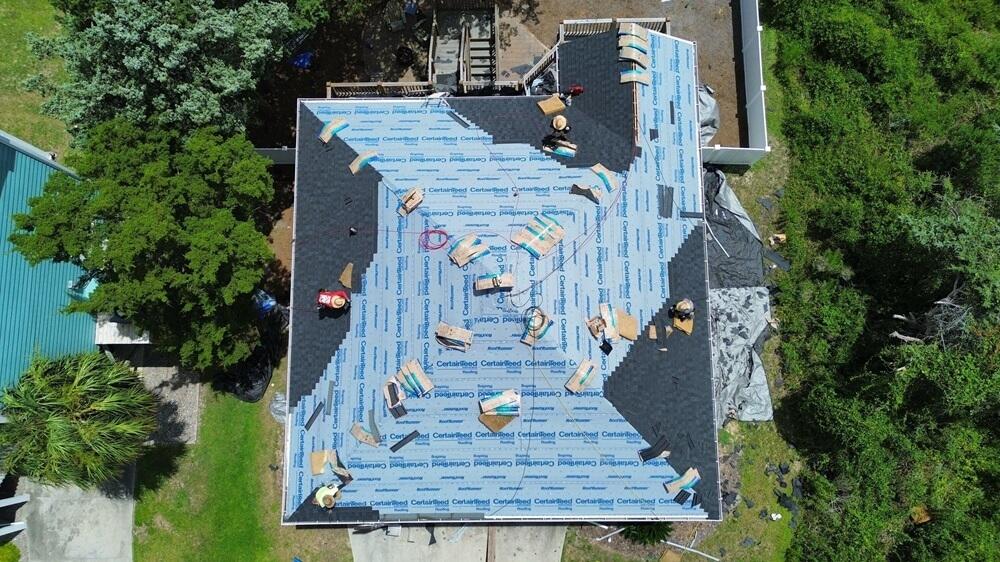
Shingles aren’t affected by winter the way concrete or paint is, but cold does change how a roof installation behaves. Asphalt shingles are stiffer and more brittle in low temperatures, so they need more careful handling. Each shingle also has a strip of adhesive that is activated by heat, which means sealing slows down in very cold weather. The winter season also brings shorter days, more moisture, and more wind, all of which affect scheduling, and different roofing materials respond to the cold in different ways. None of this rules out having a roof installed in winter. It just means the details of the roofing system matter more.
7 Cold Weather Roofing Myths, Busted
Here’s what’s true and what’s not when it comes to replacing a roof in winter.
1. Myth: A New Roof Can’t Be Installed in Winter
In many cases, it can. The real question isn’t the calendar, it’s the conditions on the day of the work. Temperature affects how shingles seal, and wind and moisture affect how safely and cleanly the job can be done. According to the Insurance Institute for Business & Home Safety, manufacturers recommend temperatures between 70°F and 80°F for sealing and warn that temperatures below 40°F may not allow shingles to seal properly. That’s guidance to plan around, not a ban on winter work, and winters in coastal North Carolina are generally milder than in much of the country.
- The truth: Winter installation is often possible when conditions are right
- What matters: Temperature, wind, and moisture on the day of the work
- Regional factor: Milder coastal winters generally leave more workable days
- What to ask: How your contractor decides when conditions are acceptable
2. Myth: Shingles Installed in Cold Weather Never Seal
Cold slows sealing, but it doesn’t prevent it permanently, so a roof installed in winter still ends up fully bonded once warmer weather arrives. The adhesive strip on each shingle is activated by the sun’s heat, so the bond forms once warmer weather arrives. The risk is the gap in between, because until shingles are fully sealed, wind can lift them and water can get underneath.
- How sealing works: A heat-activated adhesive strip bonds each shingle to the one below it
- What cold changes: Sealing takes longer when temperatures stay low
- The vulnerable window: Unsealed shingles are more exposed to wind lift until they bond
- Common safeguard: Roofers may hand-seal shingles with roofing cement in cold conditions
3. Myth: Winter Installations Are Lower Quality
Season doesn’t determine quality, workmanship does. Cold weather does call for more care, though, because stiff shingles are easier to crack and conditions can slow a crew down. Experienced roofing professionals account for that, while a rushed crew doesn’t.
- Material handling: Shingles are more brittle in the cold and need careful handling
- Nailing: Proper nail placement and depth matter in every season
- Crew experience: Ask how often a contractor installs in cold weather and how they adapt
- Process: A good contractor will tell you what conditions would cause them to reschedule
4. Myth: A Winter Installation Voids Your Shingle Warranty
Manufacturer warranties generally depend on shingles being installed according to the manufacturer’s instructions, which are printed on the product wrapper. The practical question isn’t whether it’s winter, it’s whether your contractor follows those instructions for the conditions on the day. If warranty coverage matters to you, ask your contractor how cold weather installation is handled under the warranty you’re being offered.
- What governs coverage: The manufacturer’s installation instructions and warranty terms
- What to ask: How cold weather work is handled under the specific warranty on your roof
- Contractor warranty: A workmanship warranty from your contractor is a separate layer of protection
- Summit’s coverage: Summit Roofing backs its work with a lifetime workmanship warranty
5. Myth: Winter Weather Means Long Delays

A winter schedule can shift when rain, wind, or freezing temperatures move in, but most replacements don’t need a long window. Summit Roofing completes most roof replacements within one to two days, depending on the size and complexity of the project, so a short stretch of good weather is often enough.
- Typical duration: Most roof replacements wrap up in one to two days
- Weather contingency: Rain or high winds can mean rescheduling by a day or two
- Flexibility: Being open to a small shift in the schedule makes the project smoother
- Planning: Ask how your contractor handles weather delays before you sign
6. Myth: It’s Always Safer to Wait Until Spring
Waiting makes sense for a healthy roof, but not for one that’s already failing. A roof repair or a temporary patch might buy a little time on an otherwise healthy roof, but a roof that’s leaking in several places is a stronger candidate for replacement. A roof that’s leaking, sagging, or near the end of its life has to get through months of winter storms first, and that’s how a replacement turns into interior water damage. If you’re unsure where your roof stands, a free roof inspection can tell you, and it’s worth knowing what to check after a winter storm either way.
- Healthy roof: Waiting for milder weather can be reasonable
- Failing roof: Active leaks or sagging shouldn’t wait for spring
- Hidden damage: Water that gets in during winter can damage decking and insulation before you notice
- Next step: Get an inspection to see which situation you’re in
7. Myth: Any Dry Day Is a Good Day to Roof
On the other side of the myth, a clear forecast doesn’t automatically mean it’s a good day for roofing. Frost, melting snow, a damp roof deck, strong wind, and very low temperatures all affect the quality of the work, and a responsible crew will postpone instead of pushing ahead.
- Frost and moisture: A frosty or damp roof surface isn’t a good base for shingles
- Wind: High winds make it harder to install shingles safely and keep them in place
- Temperature: Very cold weather slows sealing and makes shingles stiffer
- Daylight: Shorter winter days limit how much work a crew can finish
How to Decide Whether to Replace Now or Wait
Instead of focusing on the calendar, focus on your roof’s condition and your timeline. If budget is a factor, financing options are available, so the timing of a purchase doesn’t have to dictate when your roof gets replaced.
- Roof condition: An aging roof with leaks, curling, or heavy granule loss is a stronger candidate for replacement now
- Insurance timing: If storm damage is involved, documenting it and filing promptly matters more than the season
- Flexibility: A little schedule flexibility makes cold weather work go more smoothly
- Material choice: If you’re considering metal roofing, panels are often special order and can take longer to arrive, so planning ahead helps
- Expert input: An honest assessment from any of the roofing contractors you’re considering beats guessing based on the month
Winter Roof Replacement: FAQs
Here are direct answers to the questions homeowners ask most about replacing a roof in cold weather.
Can a new roof be put on in winter?
Yes, in many cases. Winter installation is often possible when temperature, wind, and moisture conditions are acceptable, though cold slows how quickly shingles seal.
What temperature is too cold to install shingles?
Shingle manufacturers publish their own guidance on the wrapper, and sealing is the main concern in cold weather. Temperatures below 40°F may keep shingles from sealing properly, so contractors adjust their methods or wait for a warmer window.
Will winter weather slow down my roof replacement?
It can if rain, wind, or freezing temperatures move in, but most roof replacements are completed within one to two days, so a short stretch of good weather is often enough.
Should I wait until spring to replace my roof?
If your roof is healthy, waiting is reasonable. If it’s leaking, sagging, or near the end of its life, waiting through winter storms can lead to more damage and a bigger bill.
How do I get an estimate?
Summit Roofing offers free, no-obligation estimates. The team assesses your roof’s condition, talks through your needs, and provides a detailed, transparent quote.
Thinking About a Winter Roof Replacement?
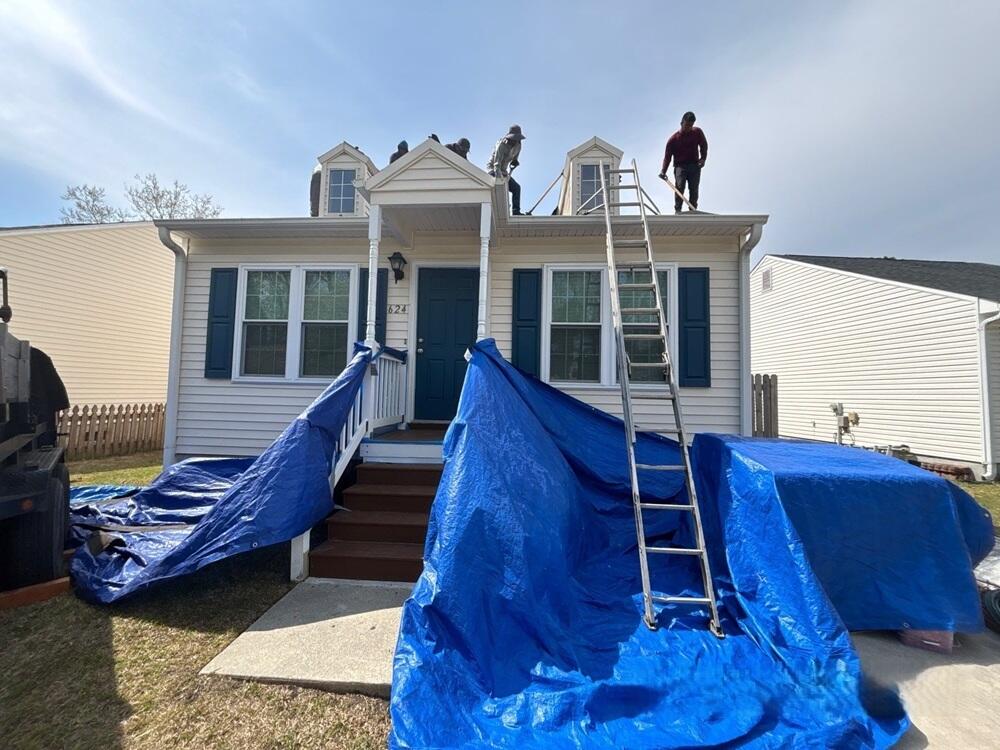
If you’re wondering whether now is the right time, the best next step is a conversation about your actual roof. Summit Roofing will assess its condition, talk through your timeline, and give you a detailed estimate with no obligation, so you can decide with real information instead of myths.
Our family-owned team serves homeowners across the Cape Fear region, and we’d rather help you make a good decision than a rushed one.
Schedule your winter roof estimate with Summit Roofing today.