 6 Min Read
 06/24/2026
Low Slope Roof: 10 Common Problems Causing Leaks and Early Failure
Low slope roof systems are commonly found on commercial buildings, additions, modern homes, and certain residential roofing designs. While low slope roofs offer a clean appearance and efficient use of space, they also face unique challenges that can lead to water intrusion, premature deterioration, and costly repairs if not properly maintained.
Unlike steep-slope roofs that quickly shed water, low slope roofing systems must manage drainage differently. Even minor issues can allow moisture to accumulate and create long-term damage. Whether you’re evaluating signs of roof deterioration or trying to extend the life of your roofing system before major repairs become necessary, understanding the most common low slope roof problems can help you take action before small concerns become major expenses.
- Drainage Challenges: Water moves more slowly across low slope roofs.
- Leak Risks: Small defects can allow moisture intrusion.
- Maintenance Importance: Routine inspections help identify problems early.
- Weather Exposure: Standing water can accelerate deterioration.
- Long-Term Performance: Preventive maintenance helps maximize roof lifespan.
We’re proud to help homeowners throughout coastal North Carolina protect their properties with roofing solutions designed for long-term durability and performance.
What Is a Low Slope Roof?
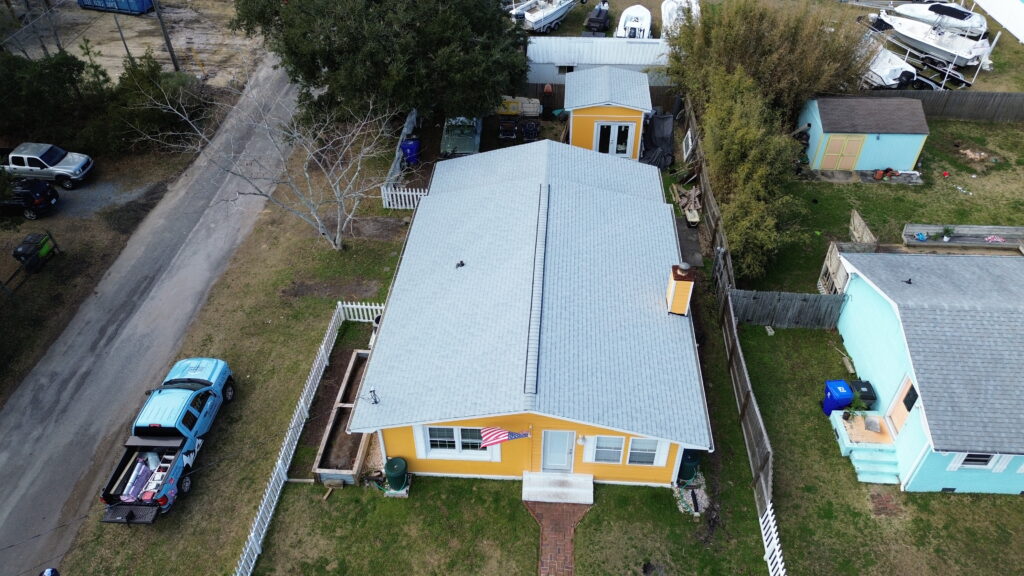
A low slope roof is any roof with a pitch that is significantly lower than a traditional residential roof. While many people refer to these systems as flat roofs, most low slope roofs still have a slight incline designed to encourage water drainage.
Low slope roofing systems often use specialized materials such as modified bitumen, TPO roofing, EPDM roofing, PVC membranes, or metal roofing systems designed for low-pitch applications.
According to the National Roofing Contractors Association (NRCA), proper drainage is one of the most important factors affecting low slope roof performance and longevity.
10 Common Problems That Cause Low Slope Roof Leaks and Early Failure
Low slope roofs can perform exceptionally well when properly designed and maintained. However, several issues commonly contribute to leaks and premature roof failure.
1. Ponding Water
Ponding water is one of the most common low slope roof problems. Water that remains on the roof for extended periods can accelerate material deterioration and increase the likelihood of leaks.
- Standing Water: Water remains on the roof surface after rainfall.
- Material Breakdown: Constant moisture can weaken roofing materials.
- Leak Potential: Prolonged exposure increases failure risks.
2. Poor Drainage Design
Drainage systems play a critical role in low slope roofing performance.
- Blocked Drains: Debris can prevent proper water flow.
- Insufficient Slope: Water may not move efficiently toward drains.
- Overflow Risks: Drainage failures can increase roof stress.
3. Membrane Damage
Many low slope roofing systems rely on waterproof membrane materials to protect the structure below.
- Punctures: Foot traffic or debris may damage membranes.
- Tears: Aging materials can become vulnerable.
- Water Entry: Small openings can lead to leaks.
4. Flashing Failures
Roof penetrations and transitions are among the most vulnerable areas on any roofing system.
- Loose Flashing: Components may separate over time.
- Cracked Sealants: Water can bypass weakened seals.
- Leak Development: Moisture often enters around penetrations.
5. Seam Separation
Many low slope roofing materials include seams where sections of membrane are joined together.
- Aging Adhesives: Bonding materials may weaken.
- Thermal Movement: Expansion and contraction affect seams.
- Water Intrusion: Open seams create entry points for moisture.
6. UV Exposure
Constant sunlight can gradually degrade roofing materials.
- Material Aging: UV rays accelerate wear.
- Surface Cracking: Exposure may create vulnerabilities.
- Reduced Lifespan: Roofing systems deteriorate faster.
7. Improper Installation
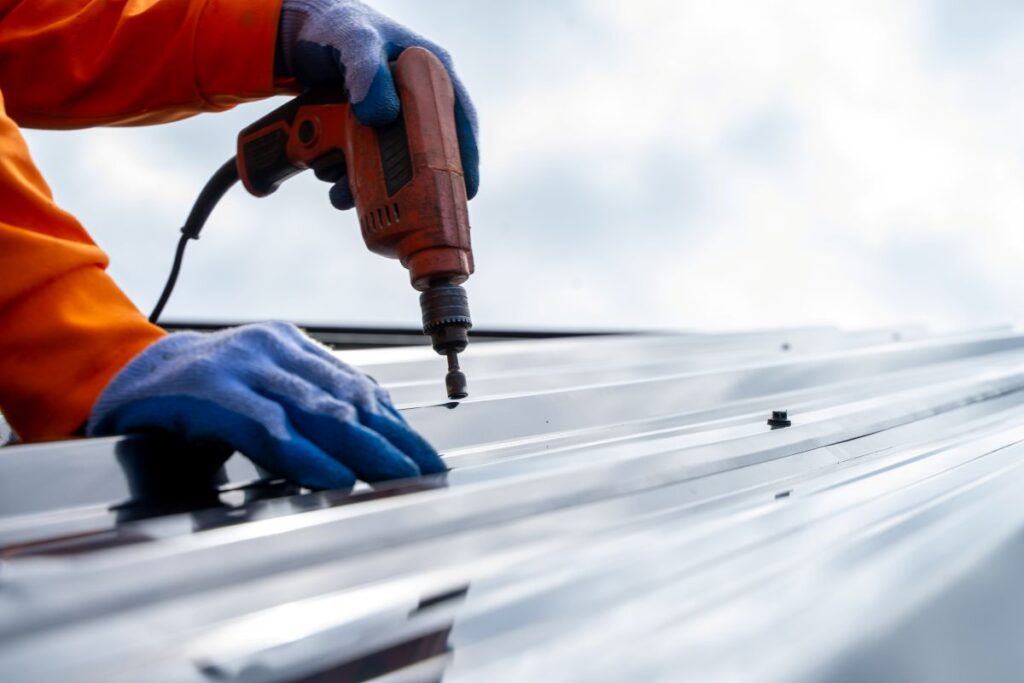
Even high-quality roofing materials can fail prematurely if installation issues exist.
- Incorrect Seams: Poor workmanship may create weak points.
- Drainage Problems: Installation errors affect water movement.
- Premature Repairs: Defects often appear earlier than expected.
8. Storm Damage
Severe weather can impact low slope roofing systems in several ways.
- Wind Uplift: Membranes may loosen during storms.
- Flying Debris: Impacts can puncture roofing materials.
- Water Intrusion: Existing weaknesses may worsen.
9. Lack of Maintenance
Routine inspections help identify small problems before they become expensive repairs.
- Hidden Damage: Minor issues often go unnoticed.
- Debris Accumulation: Leaves and branches may block drainage.
- Repair Delays: Small concerns can become larger problems.
10. Aging Roofing Materials
Every roofing system has a finite lifespan.
- Material Fatigue: Components naturally deteriorate.
- Reduced Protection: Older roofs become more vulnerable.
- Replacement Considerations: Aging systems may require upgrades.
Signs Your Low Slope Roof May Be Developing Leaks
Many low slope roof problems develop gradually. Homeowners and property owners should watch for warning signs that may indicate moisture intrusion.
Interior Water Stains
Water stains often indicate an active leak.
- Ceiling Discoloration: Brown or yellow staining may appear.
- Wall Damage: Moisture can spread through interior spaces.
- Growing Problems: Leaks often worsen over time.
Mold or Mildew Growth
Persistent moisture can create conditions that support mold growth.
- Musty Odors: May indicate hidden moisture.
- Visible Growth: Mold may develop near leak locations.
- Air Quality Concerns: Moisture can affect indoor environments.
Rising Energy Costs
Roof leaks and moisture intrusion can affect insulation performance.
- Insulation Damage: Wet insulation becomes less effective.
- Energy Loss: HVAC systems may work harder.
- Reduced Efficiency: Utility costs may increase.
Best Materials for Low Slope Roof Systems
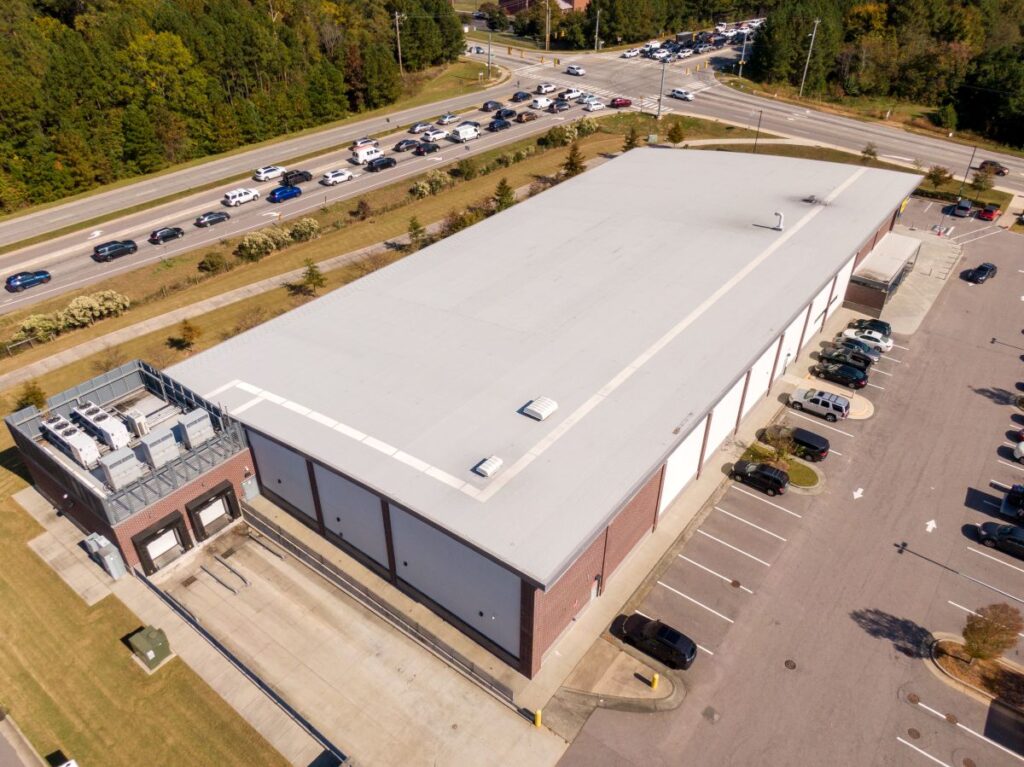
Several roofing materials are commonly used for low slope roof applications.
TPO Roofing
Thermoplastic polyolefin (TPO) is a popular single-ply roofing membrane.
- Energy Efficient: Reflects sunlight effectively.
- Durable Construction: Resists UV exposure.
- Commercial Popularity: Frequently used on commercial buildings.
EPDM Roofing
EPDM is a synthetic rubber roofing membrane widely used on low slope roofs.
- Flexible Material: Performs well in varying temperatures.
- Weather Resistance: Handles long-term exposure.
- Proven Performance: Common low slope roofing option.
Modified Bitumen Roofing
Modified bitumen combines asphalt-based materials with reinforcing layers.
- Multiple Layers: Provides additional protection.
- Durability: Designed for long-term performance.
- Repairability: Often allows targeted repairs.
Frequently Asked Questions About Low Slope Roofs
Low slope roofing systems often generate questions because they perform differently than traditional residential roofs. Understanding these systems can help property owners make better maintenance decisions.
What qualifies as a low slope roof?
Most roofing professionals consider roofs with a pitch below 4:12 to be low slope roofs, though exact classifications can vary by application and building code requirements.
Are low slope roofs more likely to leak?
Not necessarily. Properly installed and maintained low slope roofing systems can provide excellent protection, but drainage and waterproofing are especially important.
How long does a low slope roof last?
Lifespan depends on roofing materials, installation quality, weather exposure, and maintenance. Many low slope roofing systems can last 20 years or longer when properly maintained.
Can ponding water damage a low slope roof?
Yes. Ponding water is one of the leading causes of premature deterioration and can contribute to leaks, membrane damage, and reduced roof lifespan.
Protect Your Roof With Help From Summit Roofing
Low slope roofs offer many benefits, but they also require proper drainage, maintenance, and regular inspections to perform at their best. Understanding the most common causes of leaks and early roof failure can help property owners address issues before significant damage occurs.
Whether you’re dealing with ponding water, flashing problems, membrane damage, drainage concerns, or signs of roof leaks, Summit Roofing is here to help. Contact our team to schedule an inspection and learn how to protect your low slope roof from costly repairs and premature failure.