 7 Min Read
 09/04/2026
Best Flat Roofing Material: 7 Options Ranked & Compared in 2026
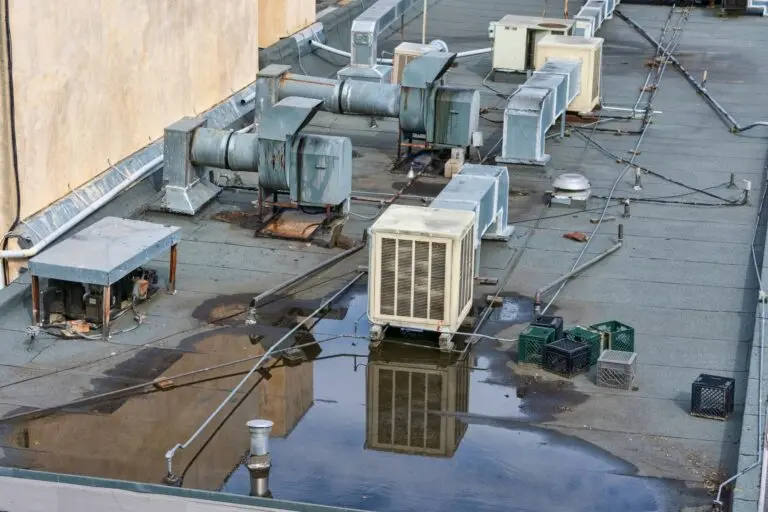
Flat and low-slope roofs make up a huge share of commercial buildings, and choosing the right roof material affects everything from upfront cost to how many years pass before you’re doing it all again. There’s no single best flat roofing material for every building, but ranking the major options side by side makes it much easier to figure out which one actually fits your project and your commercial roofing environments.
Here’s a quick look at what we’ll cover:
- The seven materials most commonly used on low slope flat roofs and commercial buildings
- How each one stacks up on cost, lifespan, and maintenance
- Which climates and building types each material tends to suit best
- How to weigh these factors against your specific building and budget
If you’re weighing options for an upcoming project, the right commercial roofing system often comes down to details a spec sheet alone won’t tell you.
How We’re Ranking These Materials
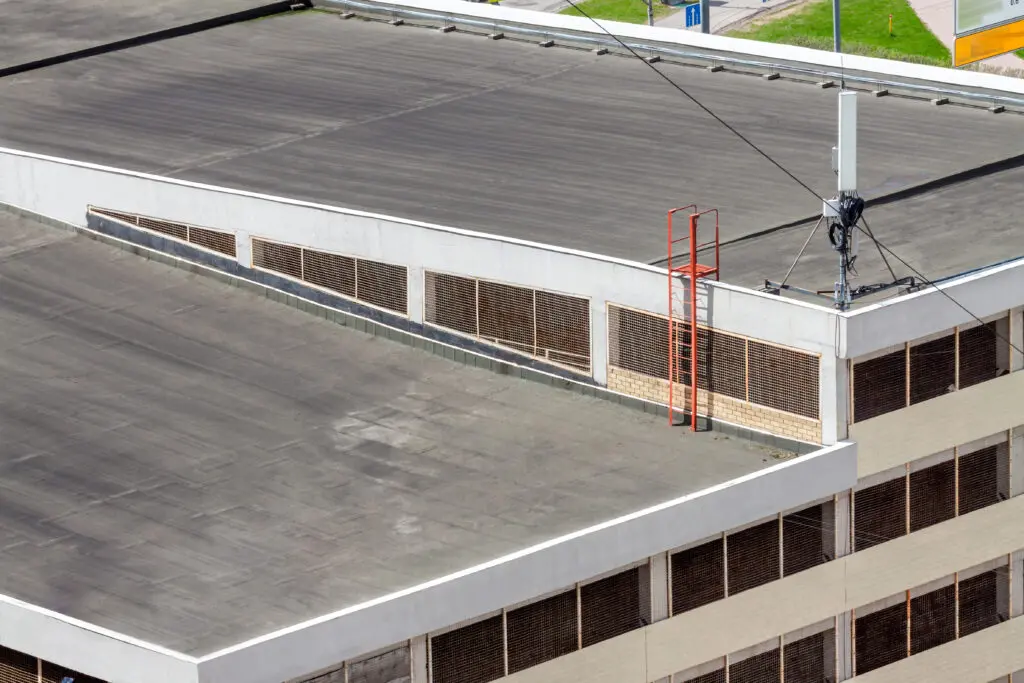
Every ranking involves tradeoffs, and flat roofing is no exception. We evaluated each material against four criteria that matter most to building owners: expected lifespan under normal conditions, relative installation and material cost, ongoing maintenance demands, and how well it performs in a range of climates. No single material wins on every category, which is exactly why understanding the tradeoffs matters more than chasing a single “best” answer. A material that ranks highly for a warehouse in a hot, dry climate might not be the right call for a restaurant dealing with rooftop grease exposure, or a coastal building facing salt air and frequent storms.
7 Best Flat Roofing Materials, Ranked and Compared
Here’s how the seven most common flat roofing materials compare, starting with the most widely specified options in new commercial construction today.
1. TPO (Thermoplastic Polyolefin)
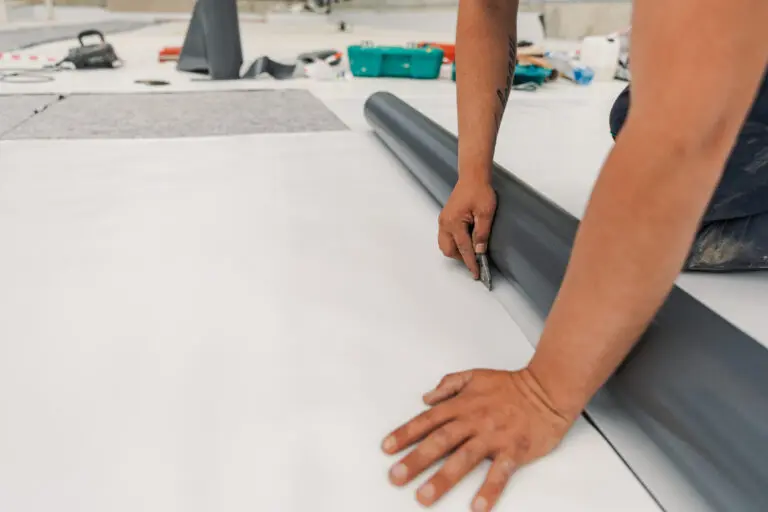
TPO has become the most widely installed single-ply membrane in commercial roofing, largely thanks to its reflective surface and relatively low upfront cost.
- Lifespan: Typically 20 to 25 years with proper installation and maintenance
- Cost: Generally the most affordable single-ply option upfront
- Best for: Warmer climates where reflective, energy-saving properties reduce cooling costs
- Watch out for: Seam quality depends heavily on installer experience with heat-welding equipment
2. EPDM (Ethylene Propylene Diene Monomer)
EPDM roofing is the longest-standing single-ply membrane on the market, and its track record is hard to match. As a synthetic rubber compound, EPDM rubber is prized for its flexibility across temperature swings, and black EPDM roofs absorb more heat than lighter membranes, which can actually help melt snow and reduce heating costs in colder climates.
- Lifespan: According to the EPDM Roofing Association’s 2025 survey of 569 roofing professionals, properly installed and maintained EPDM membranes routinely deliver at least 38 years of service life, with many installations exceeding 40 years
- Cost: Moderate upfront cost, often offset by its long service life
- Best for: Buildings prioritizing long-term value and cold-weather flexibility
- Watch out for: Seams are typically taped or glued rather than heat-welded, which some installers handle better than others
3. PVC (Polyvinyl Chloride)
PVC offers some of the strongest chemical resistance of any flat roofing material, making it a favorite for buildings with rooftop kitchen exhaust or industrial equipment.
- Lifespan: Commonly 20 to 30 years, with some systems performing well beyond that
- Cost: Typically higher upfront than TPO, reflecting its added durability
- Best for: Restaurants, industrial buildings, and anywhere chemical exposure is a concern
- Watch out for: Higher upfront cost compared to TPO for a similar application
4. Modified Bitumen
Modified bitumen combines traditional asphalt roofing with modern polymer technology, giving it a reputation for durability in a familiar, time-tested format.
- Lifespan: Generally 15 to 25 years depending on installation method
- Cost: Moderate, often comparable to or slightly above TPO
- Best for: Buildings wanting proven asphalt-based performance with improved flexibility
- Watch out for: Installation methods involving torches require careful fire-safety precautions
5. Built-Up Roofing (BUR)
Built-up roofing is one of the oldest flat roofing systems still in use, built from multiple layers of bitumen and a reinforcing fibreglass roof fabric that adds tensile strength to the finished roofing membrane.
- Lifespan: Often 20 to 30 years when properly maintained
- Cost: Moderate to high, driven up by the multi-layer installation process
- Best for: Buildings prioritizing proven redundancy over a single-membrane system
- Watch out for: Heavier system weight, which needs to be accounted for in the roof’s structural design
6. Metal Roofing (Standing Seam)
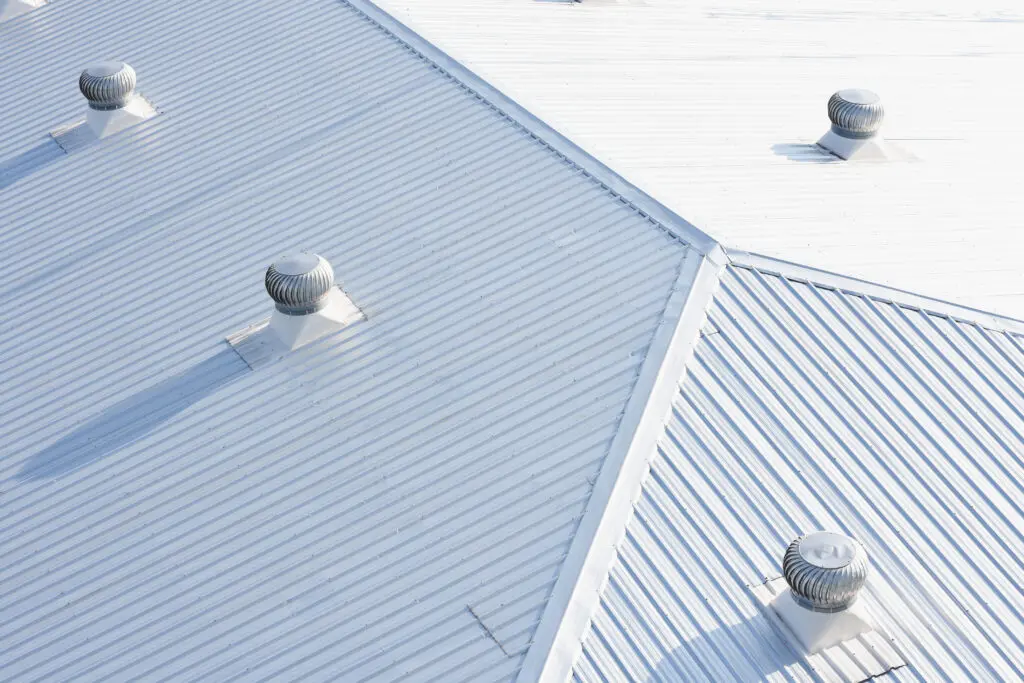
Standing seam metal isn’t limited to steep-slope applications, and it’s an increasingly common choice for low-slope commercial buildings too.
- Lifespan: Frequently 40 to 60 years with minimal maintenance
- Cost: Highest upfront investment of the group, offset by the longest expected lifespan
- Best for: Building owners planning to hold the property long-term and prioritizing minimal replacement cycles
- Watch out for: Requires careful attention to slope and seam detailing to avoid ponding water at low pitches
7. Spray Polyurethane Foam (SPF)
SPF is applied as a liquid that expands and cures into a seamless, self-flashing foam layer, making it uniquely suited to roofs with lots of penetrations or irregular shapes.
- Lifespan: Often 20 to 30 years with a properly maintained protective topcoat
- Cost: Moderate, though pricing depends heavily on roof complexity and access
- Best for: Roofs with unusual geometry, numerous penetrations, or existing substrates that are difficult to cover with sheet membranes
- Watch out for: The protective topcoat needs periodic recoating to keep the foam layer protected from UV exposure
Which Material Is Actually Right for You
The “best” material genuinely depends on what you’re optimizing for. If minimizing upfront cost is the priority, TPO is usually the starting point. If long-term value and a proven track record matter more, EPDM is difficult to beat. Buildings with chemical exposure lean toward PVC, while owners planning to hold a property for decades often find that metal’s higher upfront cost pays for itself many times over. Modified bitumen and built-up roofing remain solid, proven choices for owners who value redundancy and a familiar installation process over the latest single-ply technology, and SPF earns its place on roofs where irregular shapes make sheet membranes impractical.
There’s rarely a wrong answer among these seven, just a better or worse fit for your specific building, budget, and climate. The building’s roof deck condition, existing insulation, and even the number of rooftop penetrations can shift the calculus too, which is why a walk-through from someone familiar with all seven systems tends to be more useful than any generic ranking, including this one.
Best Flat Roofing Material: Common Questions Answered
Here are direct answers to the questions we hear most from building owners comparing options.
Which flat roofing material lasts the longest?
Standing seam metal roofing generally offers the longest service life, often 40 to 60 years, followed by EPDM, which routinely exceeds 38 years when properly installed and maintained.
Which flat roofing material is the most affordable?
TPO is typically the most budget-friendly single-ply option upfront, which is part of why it has become the most widely specified material in new commercial construction.
Can I switch from one flat roofing material to another during a reroof?
In many cases, yes, though it depends on the condition of the existing roof deck and insulation. A professional assessment can determine whether a full tear-off or a re-cover makes more sense for your specific situation.
Does climate really affect which material I should choose?
Yes, significantly. Reflective membranes like TPO and PVC perform especially well in hot climates by reducing cooling costs, while EPDM’s flexibility holds up well in colder regions with more temperature swings.
Ready to Compare Options for Your Building?
Choosing between seven solid options can feel overwhelming without seeing how each one would actually perform on your specific roof. Summit Roofing can walk your building, talk through your budget and long-term plans, and help you land on the material that actually makes sense, not just the one that sounds best on paper. We install TPO, PVC, and EPDM systems and can speak honestly to the tradeoffs of each based on what we’ve seen perform well across the Cape Fear region.
Get a commercial roofing consultation from Summit Roofing today.