
 7 Min Read
 09/18/2026
Commercial Roof Leak Repair: 6 Common Causes & Solutions
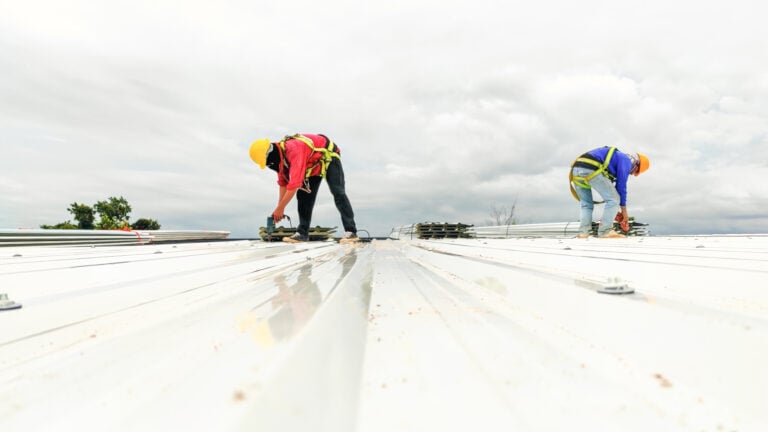
A leak on a commercial roof rarely shows up right where the water actually got in, which is what makes commercial roof leak repair trickier than it sounds. Water can travel along the roof deck or structural framing before it ever reaches a ceiling tile, so knowing the most common causes of commercial roof repairs helps you and your contractor find the real source faster, rather than just chasing the visible damage on the roof surface.
Here’s a quick look at what we’ll cover:
- The six most common sources of commercial roof leaks
- Practical solutions for each one
- How to tell when a temporary fix is enough versus when it isn’t
- What a professional repair process typically looks like
If a leak has you scrambling, getting eyes on the actual roof is the fastest way to stop guessing and start fixing the real problem.
Understanding Commercial Roof Leaks: Why They’re Harder to Diagnose Than They Look
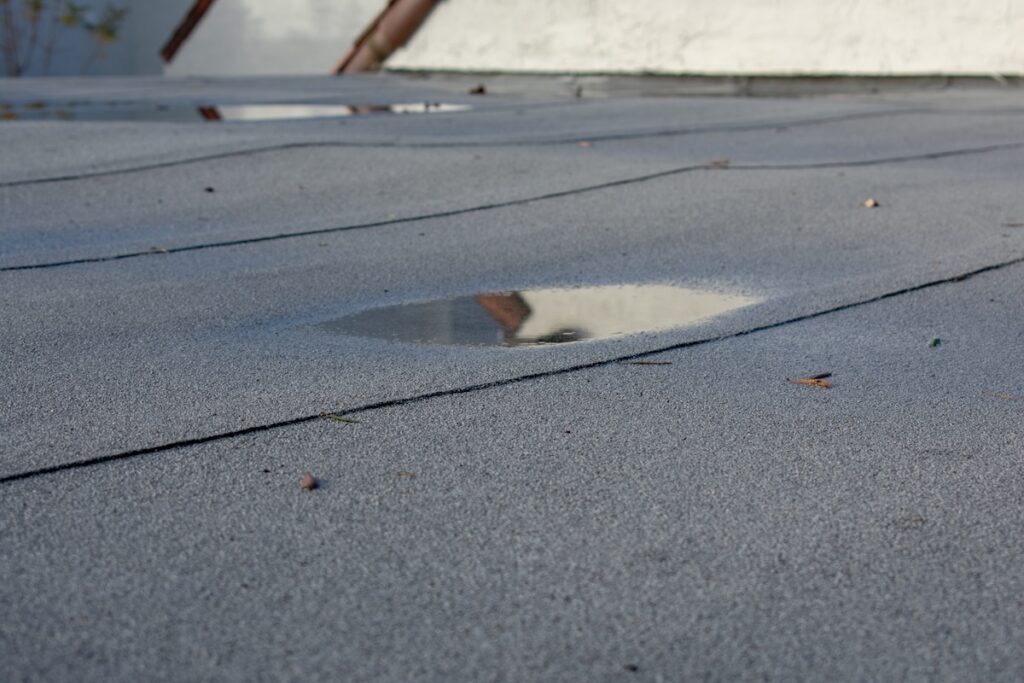
Flat and low-slope commercial roofs have far fewer visual cues than a sloped residential roof, and water doesn’t always drip straight down from where it entered. A leak that shows up in a conference room might actually originate near an HVAC curb thirty feet away, following the roof deck or wet insulation before finding a path through the ceiling. That’s why a proper diagnosis, not just a patch over the nearest visible stain, matters so much for a lasting repair, and why building owners are often surprised at how far the actual source can be from the visible damage.
6 Common Causes of Commercial Roof Leaks (and How to Fix Them)
Here are the issues that account for the overwhelming majority of commercial roof leaks, along with what actually fixes each one.
1. Ponding Water
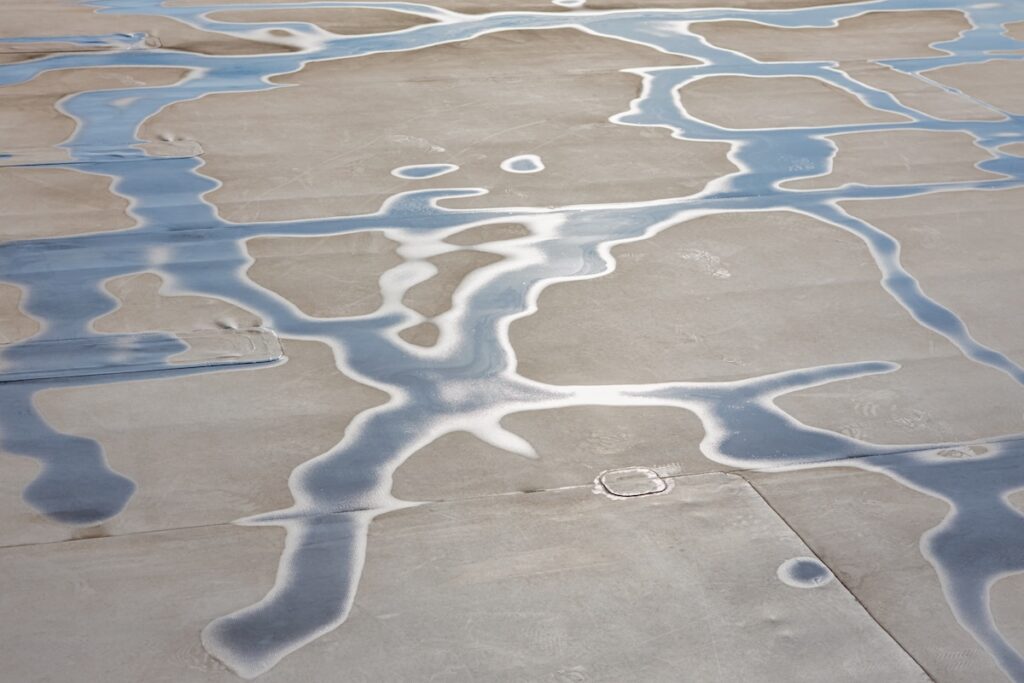
Water that sits on a flat roof for more than 48 hours after rainfall is considered a deficiency, and it’s one of the most common triggers behind membrane failure.
- Root cause: Clogged drains, low spots in the roof deck, or inadequate slope allow water to collect instead of draining away
- Immediate fix: Clear drains and scuppers of debris to restore proper flow right away
- Long-term solution: Tapered insulation or additional drains may be needed to correct persistent low spots
- Ongoing prevention: Regular drain inspections, especially after storms, keep this from becoming a recurring issue
2. Flashing and Penetration Failures
Flashing around vents, curbs, chimneys, and walls is where the roof membrane transitions to another material, and that transition is inherently more vulnerable than the open membrane field. Neglected maintenance can lead to leaks around roof penetrations well before the rest of the roof shows any signs of wear.
- Scale of the problem: Flashings and penetrations account for nearly 80 percent of all reported roof leaks, according to Roofing Contractor magazine
- Root cause: Sealant breaking down, flashing pulling away, or improper installation around rooftop equipment
- Immediate fix: Reseal or replace failing flashing and sealant at the affected penetration
- Long-term solution: Proper flashing detail and materials matched to the roofing system prevent repeat failures at the same spots
3. Membrane Punctures From Foot Traffic
Maintenance crews, HVAC technicians, and dropped tools all put stress on a membrane that isn’t designed to be walked on casually.
- Root cause: Sharp objects, dropped equipment, or repeated foot traffic wearing through the membrane over time
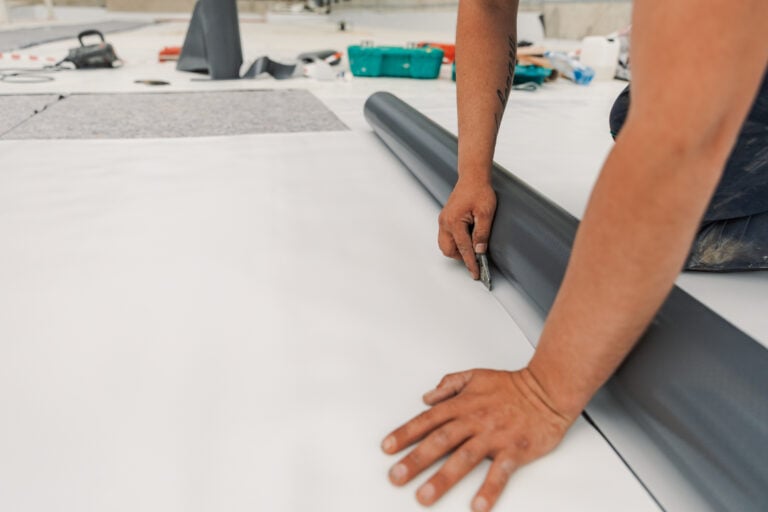
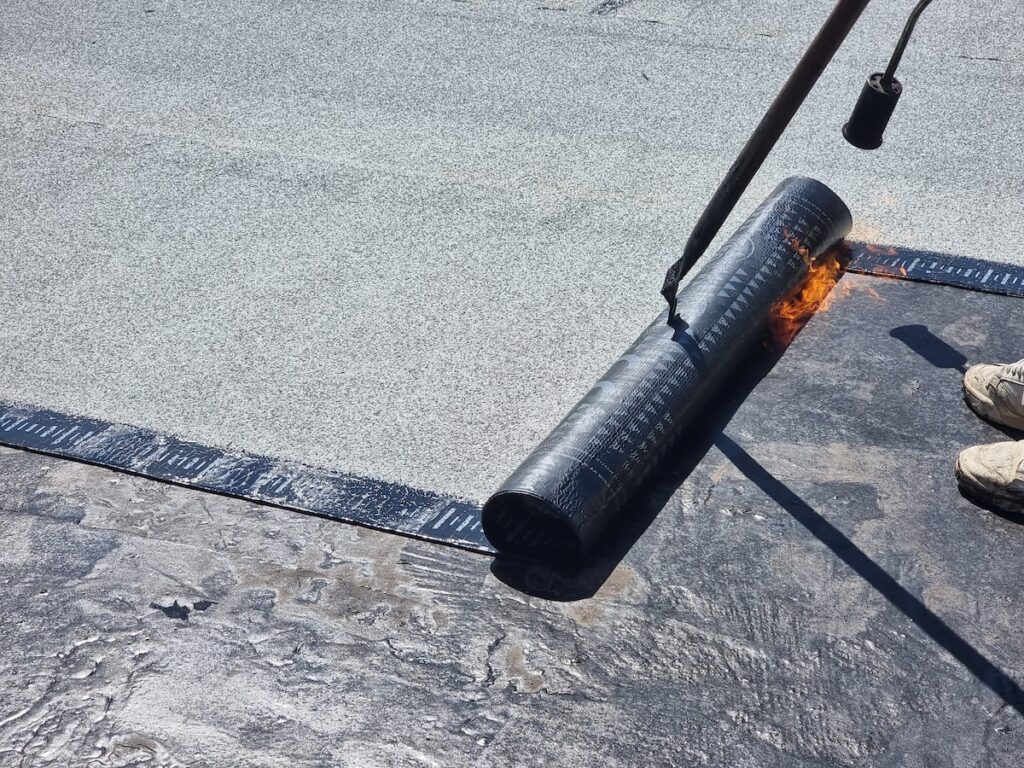
- Immediate fix: Membrane patching involves fusing or adhering a piece of compatible material over the puncture or tear as soon as it’s identified
- Long-term solution: Installing designated walkway pads in high-traffic areas around rooftop equipment
- Ongoing prevention: Limiting unnecessary rooftop access and briefing vendors on safe walking paths
4. Seam Separation
Seams are the weld or adhesive lines that join sections of membrane together, and they can fail well before the rest of the roof shows any wear. A frequent cause of commercial roof leaks includes open or deteriorated seams in membrane systems that were never fully addressed after initial signs of wear appeared.
- Root cause: Poor original installation, thermal cycling, or membrane shrinkage over time
- Immediate fix: Reweld or reseal the affected seam section
- Long-term solution: A full seam audit during a professional inspection can catch weak points before they open up
- Ongoing prevention: Choosing an experienced, certified installer reduces the odds of seam issues in the first place
5. Clogged or Damaged Drainage Systems
Drains, scuppers, and gutters that aren’t functioning properly are often the underlying reason ponding water becomes a chronic problem rather than an occasional one.
- Root cause: Debris buildup, damaged drain components, or drains that were undersized for the roof to begin with
- Immediate fix: Clear all drainage components and confirm water is actually flowing off the roof
- Long-term solution: Replace damaged or undersized components as part of a broader drainage assessment
- Ongoing prevention: Scheduled drain cleaning, ideally as part of a seasonal maintenance plan
6. Aging and UV Degradation
Every roofing membrane has a finite service life, and UV exposure combined with thermal cycling gradually breaks down aging roofing materials over the years.
- Root cause: Natural aging of the membrane material, accelerated by sun exposure and temperature swings
- Immediate fix: Targeted patching can address isolated weak spots as they appear
- Long-term solution: A roof coating or full roof restoration can extend the life of an aging membrane if applied before widespread deterioration sets in. Fluid-applied roof coatings involve applying a seamless elastomeric layer over aging surfaces, adding UV protection and a fresh waterproof barrier without a full tear-off
- Ongoing prevention: Tracking the roof’s age and condition helps you plan a replacement before failures become frequent
When to Call a Professional vs Attempt a Temporary Fix
A small, isolated issue, like a single failing pipe boot or a minor seam gap, can sometimes be temporarily addressed with the right sealant until a proper repair is scheduled. Widespread ponding, multiple seam failures, or any leak involving the roof deck or structural elements should go straight to a professional. Post-repair testing confirms leak elimination after repairs, whether through a controlled water test or infrared scan, and skipping this step is one of the easiest ways to assume a leak is fixed when it isn’t. Temporary fixes are meant to buy time, not replace a proper repair, and treating them as a permanent solution is one of the most common ways a small leak turns into a much larger repair bill.
Commercial Roof Leak Repair: Common Questions Answered
Here are direct answers to the questions building owners ask most when dealing with a leak.
How much does commercial roof leak repair typically cost?
It depends heavily on the cause and extent of the damage. A targeted flashing or seam repair is generally far less expensive than repairs involving compromised insulation or roof deck damage, which is why catching leaks early matters so much.
Can a commercial roof leak be temporarily patched until a full repair is scheduled?
Yes, in many cases a qualified contractor can apply a temporary patch to stop active leaking, but this should always be followed by a permanent repair, since temporary measures aren’t designed to hold up long-term.
How often should commercial roofs be inspected to catch leaks early?
Professional inspections should occur twice a year, in spring and fall, plus an additional inspection after any significant storm.
Will my roof’s warranty cover leak repair?
It depends on the cause of the leak and the terms of your specific warranty. Damage from poor maintenance or unauthorized modifications is commonly excluded, which is another reason routine inspections matter.
Dealing With a Commercial Roof Leak?
A leaking roof on a commercial building rarely gets better on its own, and the longer it goes unaddressed, the more it tends to affect insulation, interior finishes, and even the structural deck underneath. Summit Roofing provides expert roof repairs that diagnose the actual source of the leak, not just chase the visible symptom, and we’ll walk you through both the immediate fix and the longer-term solution, whether that’s a targeted repair or a full roof replacement, that keeps it from coming back.
Request a commercial leak inspection from Summit Roofing today.