
 9 Min Read
 08/26/2026
TPO Roofing Installation: 3 Reasons to Hire a Commercial Roofer
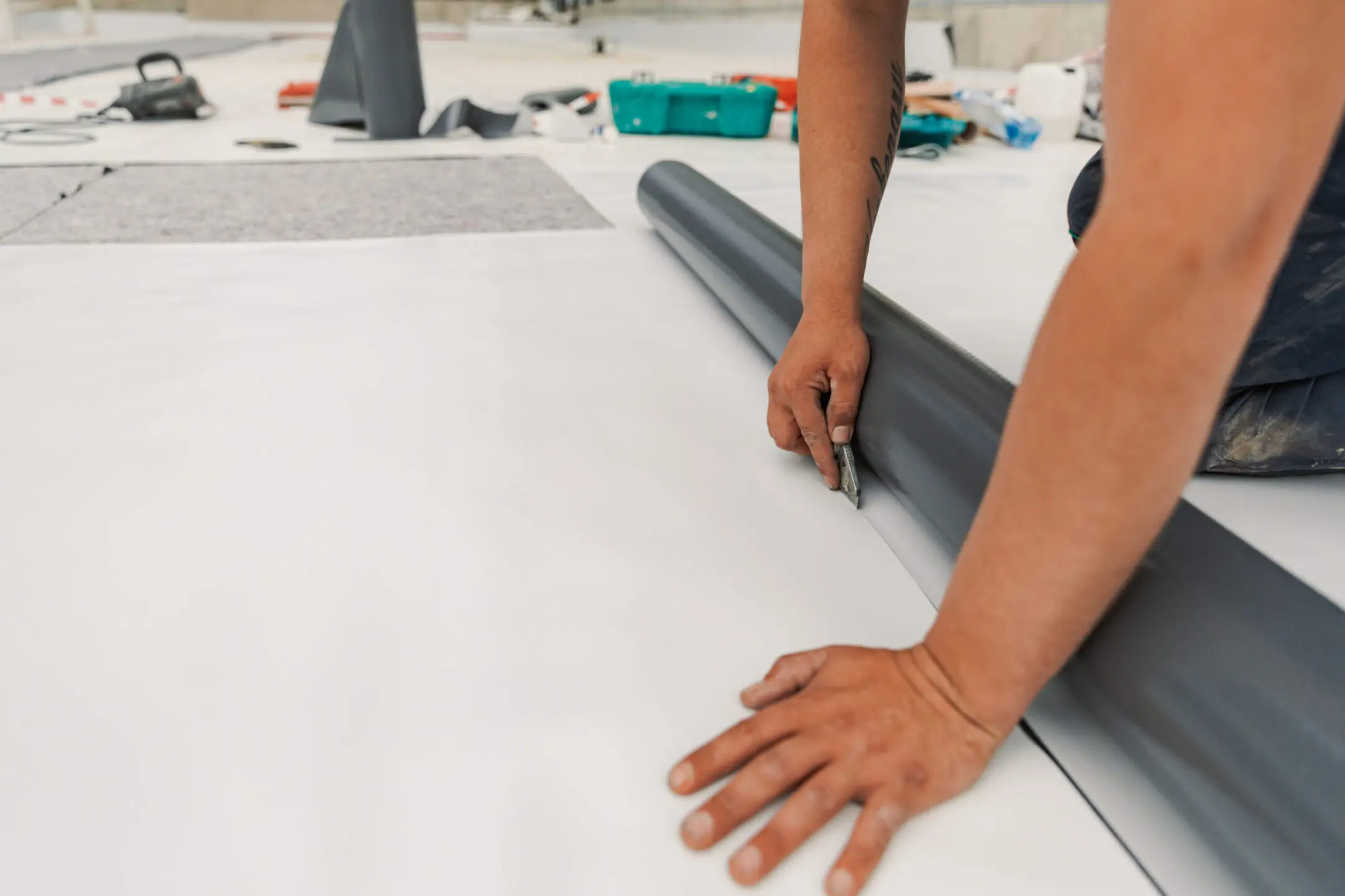
TPO has become one of the most popular choices for flat and low-slope commercial roofs, and for good reason. It’s energy-efficient, cost-effective, and holds up well across a wide range of climates. But TPO roofing installation is a lot more technical than it might look from the ground, and getting it wrong can undo most of the benefits the material is known for. The material itself is only half the equation, and the crew putting it down matters just as much as the product being installed.
Here’s a quick look at what we’ll cover:
- Why TPO installation requires specialized skill, not just the right material
- How proper installation protects your building’s code compliance and warranty
- The long-term performance and energy savings that depend on doing it right
- What tends to go wrong when TPO is installed by an inexperienced crew
If you’re planning a commercial reroof, getting the installation side right matters just as much as the material choice itself. Understanding the TPO roofing installation process, and choosing the right roofing contractor to carry it out, are two separate decisions that both deserve real attention.
Why TPO Installation Isn’t a DIY-Friendly Project
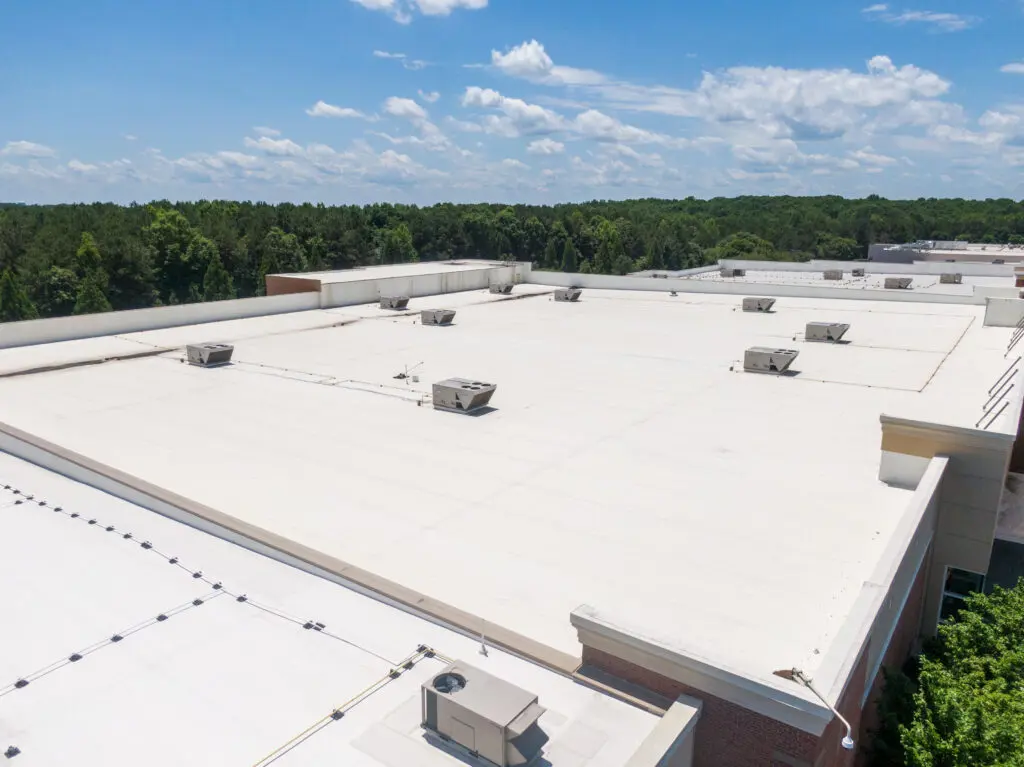
TPO membrane comes in large rolls and is joined together using hot-air welding equipment that fuses the seams into a single, continuous roof surface. Broadly, TPO roofing installation involves preparing the roof deck, laying down insulation, and securing the membrane before any seam welding begins. Insulation boards should be installed in a staggered pattern, since aligned seams between boards create a weaker point that’s more prone to movement and thermal bridging over time.
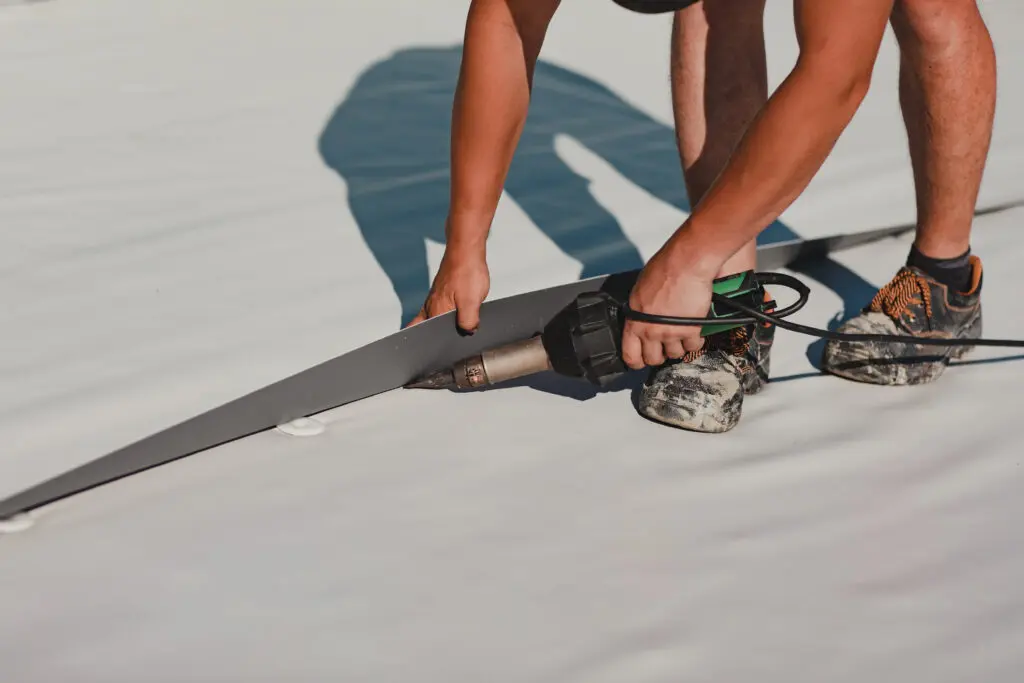
Roof deck preparation involves clearing the existing roof down to the structural deck, which gives installers a clean, solid surface to build the new system on. Flashing and detailing seal all roof penetrations using pre-formed TPO accessories, which have to be integrated correctly with the membrane at every vent, drain, and rooftop unit. As a single ply roofing membrane, it relies entirely on that seam quality to keep water out, which is different from layered systems where a small gap might not be as critical. That welding process has to be done at the correct temperature and speed, seam by seam, across the entire flat roof. Too fast or too cool, and the seam won’t bond properly. Too hot or too slow, and the membrane can scorch or weaken. This is one of several reasons TPO installation is generally left to trained commercial roofing crews rather than general contractors or DIY projects.
3 Reasons to Hire a Commercial Roofer for TPO Installation
Here’s what a qualified commercial roofer brings to a TPO installation that’s difficult to replicate without the right training and equipment.
1. Heat-Welding Requires Specialized Skill and Equipment
Properly welded seams are what make a TPO roof watertight in the first place, and getting that welding process right takes real hands-on experience. TPO membrane must relax for 30 minutes after unrolling before installers begin fastening or welding, since the material naturally expands and contracts as it acclimates to the roof surface. TPO membranes are typically fastened using mechanical or adhesive methods, depending on the roof design, before the seams themselves are heat-welded together. Fully adhered systems bond the membrane with adhesive for better wind resistance, which is often the preferred method on buildings in higher wind zones or with irregular roof shapes.
- Hot-air welders need to be calibrated for the specific membrane thickness being used
- Welding speed and overlap have to stay consistent across the entire roof
- Improperly welded seams are one of the most common causes of early TPO roof leaks
- Experienced crews test seam strength throughout the job, not just at the end
A commercial roofer who installs TPO regularly has already worked through the trial and error that a less experienced crew would be learning on your building. A proper final inspection checks every inch of every weld before the job is considered complete, which is a step that’s easy to rush without the right experience and quality control habits in place.
2. Code Compliance and Manufacturer Warranty Protection
TPO systems come with manufacturer warranties that typically require installation by a certified or approved contractor, and skipping that requirement can void coverage before the roof ever has a problem.
- Manufacturer warranties often specify approved installation methods and materials
- Building codes may dictate specific fastening patterns or wind uplift resistance requirements
- An improperly installed roof can fail an inspection or insurance review
- Certified installers can register warranties correctly on the building owner’s behalf
Going with an installer who isn’t manufacturer-certified for TPO is one of the more common ways commercial property owners unknowingly forfeit warranty protection.
3. Long-Term Performance and Energy Savings
TPO’s reputation for energy efficiency and durability only holds up if the roof is installed the way it’s designed to perform. TPO stands up well against ultraviolet radiation and harsh chemicals, which is part of why it performs reliably across such a wide range of building types and climates. It’s also worth noting that TPO material is fully recyclable at the end of its life cycle, which is an added benefit for property owners weighing sustainability alongside performance.
- Reflective, light-colored TPO membranes reduce cooling costs when properly installed and maintained
- An improperly installed insulation layer, often polyurethane foam board beneath the membrane, can undercut the energy performance the material is known for
- A well-installed TPO roof can perform reliably for 20 years or more
- Poor membrane installation often leads to premature aging, membrane shrinkage, or seam failure
According to the trade association SPRI, thermoplastic polyolefin, or TPO, is the fastest-growing segment of the commercial roofing industry, largely due to its energy performance in warmer climates. That popularity is exactly why installation quality matters so much. A roof that’s chosen for its efficiency needs to be installed correctly to actually deliver it.
Safety and Liability Considerations
Commercial roofing work involves real risk, both physical and financial, and that’s another reason this work is best left to an experienced crew.
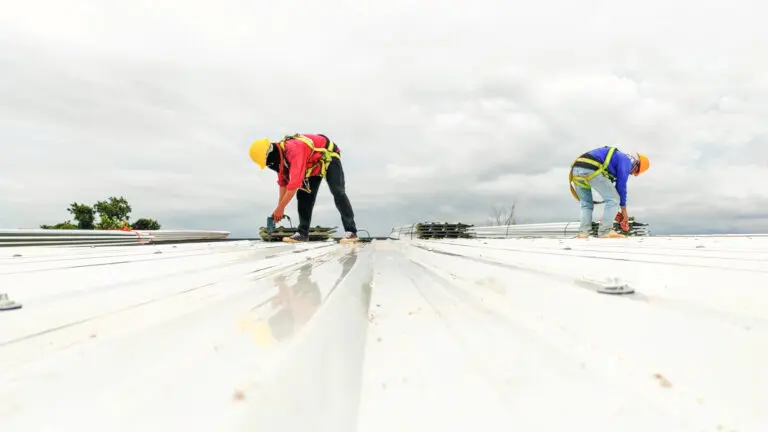
- Rooftop work requires fall protection and proper safety training
- A licensed and insured contractor protects the building owner from liability if an accident occurs
- Commercial roofers carry the equipment needed to work safely at height and around rooftop mechanical systems
- Cutting corners on safety often correlates with cutting corners on installation quality
Beyond the immediate safety risk, hiring an unlicensed or uninsured crew can leave a building owner financially exposed if something goes wrong during the project.
What Happens When TPO Is Installed Incorrectly
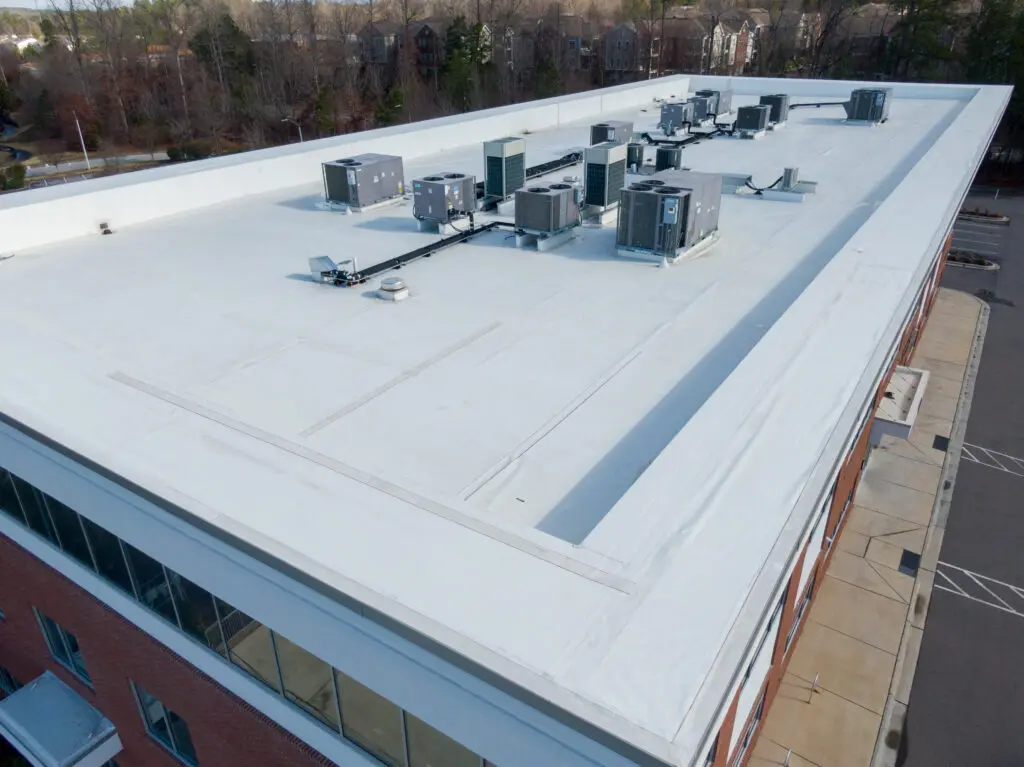
Improperly welded seams, incorrect fastening patterns, and mismatched insulation are the most common issues that show up when TPO is installed by a crew without the right training. Roof edge detailing is another frequent trouble spot, since wind uplift forces concentrate there more than almost anywhere else on the roof. These problems don’t always show up immediately. A poorly welded seam might hold for a season or two before opening up during a heavy storm, by which point the underlying insulation and roof deck may already be compromised. Catching these issues early usually means paying for repairs on a roof that should have had years of trouble-free performance left.
Weighing the Cost of Hiring a Specialist
It might seem like hiring a general contractor or a less specialized crew would save money upfront, but the math rarely works out that way over the life of the roof. A properly installed TPO roof can go 20 years or more with minimal issues, while a poorly installed one may need seam repairs, re-flashing, or even a partial re-cover within just a few years. When you factor in the potential for voided warranties and the cost of correcting failed seams after the fact, the upfront savings from hiring an inexperienced crew tend to disappear quickly. It’s also worth budgeting for upkeep after installation, since TPO roofs require semi-annual inspections for maintenance to catch minor issues before they become expensive ones.
TPO Roofing Installation: Common Questions Answered
Building owners considering a TPO roof tend to ask a similar set of questions. Here are direct answers to the ones we hear most.
How long does a TPO roof installation typically take?
It depends on the size and complexity of the roof, but most commercial TPO installations are completed within a few days to a couple of weeks, with crews working around a business’s operating hours whenever possible.
Can an existing roof be re-covered with TPO, or does it need a full tear-off?
In some cases, TPO can be installed over an existing roof if it’s in suitable condition, though a full tear-off is often recommended for older or damaged roofs to ensure a solid foundation for the new membrane.
Does TPO installation quality really affect the warranty?
Yes. Most TPO manufacturers require installation by an approved or certified contractor to keep the warranty valid, and installation errors are among the most common reasons a warranty claim gets denied.
Is TPO a good fit for every commercial building?
TPO works well for most flat and low-slope commercial roofs, especially in warmer climates where its reflective properties help reduce cooling costs. A commercial roofer can help determine whether TPO, PVC, or another system is the better fit for your specific building.
What should I ask a contractor before hiring them for a TPO installation?
Ask whether they’re manufacturer-certified to install the specific TPO product being used, how they handle seam quality control, and whether the roofing contractor carries proper liability insurance and workers’ compensation coverage. A contractor who can answer these clearly is generally a good sign.
Planning a TPO Reroof for Your Building?
If you’re considering TPO for an upcoming commercial roofing project, Summit Roofing’s certified crews can walk you through the process and make sure it’s installed the way it’s designed to perform.
Request a commercial roofing estimate from Summit Roofing today.