 7 Min Read
 10/09/2026
Warehouse Roof Repair: 7 Signs Your Building Needs Maintenance
A warehouse roof covers a lot of ground, often literally acres of it, and problems can develop in one section long before anyone notices from inside the building. Warehouse roof repair, much like industrial roof repair generally, is almost always cheaper and less disruptive when it’s caught early, avoiding the costly repairs that come from letting industrial and warehouse roofing issues sit unaddressed. Knowing what to look for matters just as much as having a good roofing contractor on call.
Here’s a quick look at what we’ll cover:
- Why large, low-slope warehouse roofs face unique maintenance challenges
- Seven signs it’s time to schedule an inspection or repair
- What happens if these signs get ignored
- How to build warehouse roof maintenance into your facility’s routine
If any of these signs sound familiar, a straightforward assessment of your building’s roof can tell you exactly what you’re dealing with before it affects operations.
Why Warehouse Roofs Face Unique Challenges
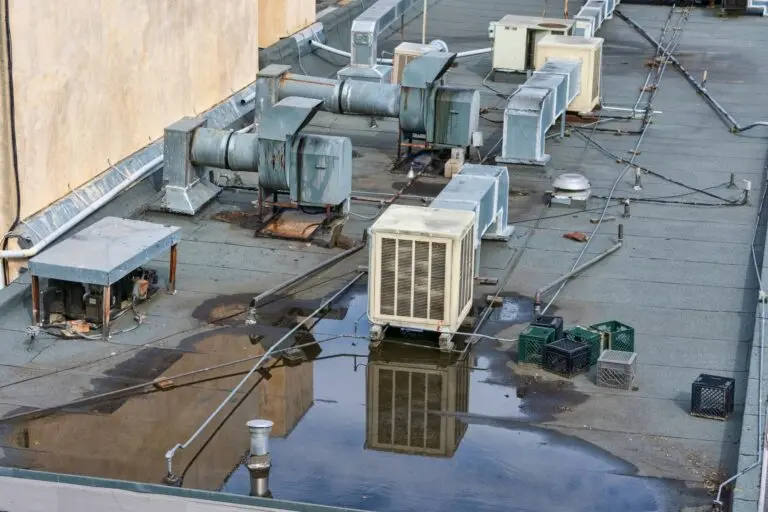
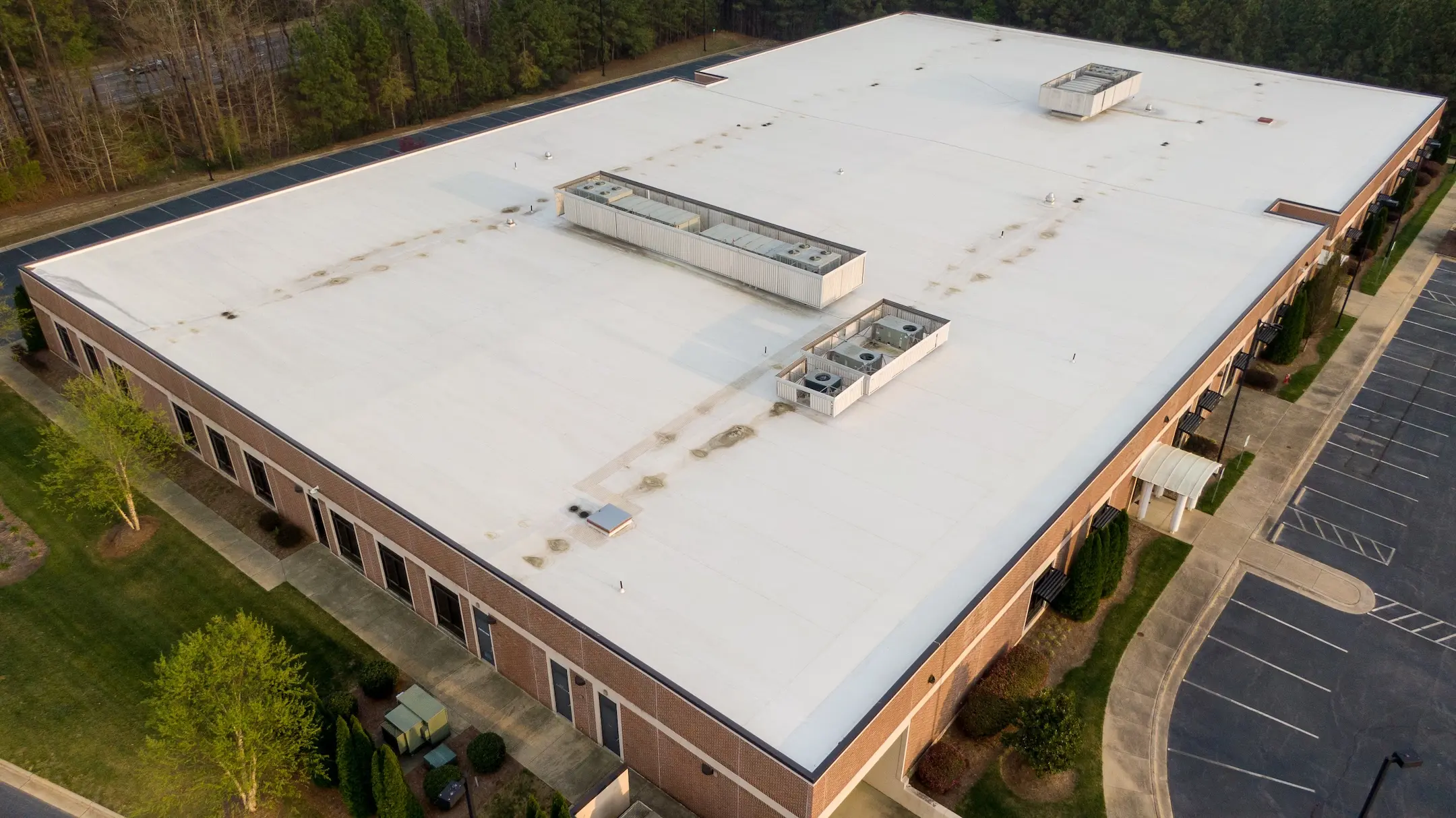
Warehouse roofs tend to be large, flat or low-slope, and covered in rooftop equipment like HVAC units, exhaust fans, and skylights, each one a potential leak point. Unlike a residential roof, problems on an industrial roof can go unnoticed for a long time simply because of the roof’s size and the distance between the source of a leak and where it eventually shows up inside the building. Choosing the correct roofing material for the building’s specific use also plays a role in long-term performance, since not every option suits the demands placed on industrial buildings. Add in the operational disruption a leak can cause, from damaged inventory to safety hazards on the warehouse floor, and it becomes clear why catching issues early carries real financial weight.
7 Signs Your Warehouse Roof Needs Maintenance
Here’s what facility managers and building owners should watch for.
1. Ponding Water That Doesn’t Drain
Standing water on a flat roof isn’t always a problem on its own, but water that lingers too long is a clear warning sign.
- Industry definition: According to the Asphalt Roofing Manufacturers Association, ponding water is defined as water which remains on a roof 48 hours or longer
- Structural risk: Prolonged ponding adds significant weight to the roof deck and can accelerate structural deflection
- Membrane risk: Standing water accelerates membrane aging and can encourage algae or vegetation growth
- Common cause: Clogged drains, low spots, or inadequate roof slope are the usual culprits
2. Interior Water Stains or Drips
Visible water intrusion inside the warehouse is one of the clearest signs that something on the roof has already failed.
- What to look for: Discoloration on ceiling tiles, rusted metal decking, or active drips during rain
- Location matters: Stains often appear some distance from the actual roof failure, since water travels along the deck before finding a path down
- Inventory risk: Water intrusion near storage areas can damage products, packaging, or equipment
- Urgency level: Any active dripping should be treated as a priority repair, not a wait-and-see issue
3. Leaks Around Rooftop Equipment
HVAC units, exhaust fans, and other rooftop equipment all require penetrations through the roof membrane, and those penetrations are common failure points.
- Flashing wear: Sealant and flashing around equipment curbs degrade faster than the surrounding membrane
- Maintenance coordination: HVAC service visits sometimes disturb roofing details without anyone noticing
- Inspection priority: These areas deserve extra attention during any routine roof inspection
- Common oversight: Equipment leaks are sometimes misdiagnosed as HVAC problems rather than roofing issues
4. Visible Membrane Damage
Cracks, blisters, punctures, or seam separation on the roof surface all point to a membrane that needs attention.
- Foot traffic wear: Areas with frequent maintenance access tend to show wear first
- UV degradation: Sun exposure over time causes membranes to become brittle and prone to cracking
- Seam integrity: Separated or lifted seams are a direct path for water intrusion
- Age correlation: Widespread membrane damage often signals a roof nearing the end of its service life
5. Rising Energy Costs
An unexplained increase in heating or cooling costs can sometimes be traced back to roof-related issues.
- Insulation moisture: Wet insulation loses much of its thermal performance, driving up energy use
- Reflectivity loss: A dirty or degraded roof surface can reduce reflectivity and increase cooling loads
- Diagnostic value: Energy bill spikes are sometimes the first indirect sign of a developing roof problem
- Verification step: An infrared moisture scan can confirm whether wet insulation is contributing to the issue
6. Sagging or Soft Roof Deck Areas
Any visible sagging or a spongy feeling underfoot during an inspection points to a roof deck that’s already been compromised.
- Structural concern: This typically means water has been present long enough to affect the deck itself
- Safety priority: Soft deck areas represent a real safety hazard for anyone accessing the roof
- Repair scope: Deck-level damage usually requires more extensive repair than a surface-level fix
- Inspection method: Professional inspectors check for this systematically rather than relying on visual cues alone
7. Age of the Roof System
Even a well-maintained roof eventually reaches the point where repairs become less cost-effective than replacement.
- Typical lifespan: Most commercial membrane systems last 20 to 30 years depending on material and maintenance
- Repair frequency: An increasing frequency of repairs on an aging roof is a signal worth paying attention to
- Warranty status: Checking remaining warranty coverage helps inform the repair versus replace decision
- Planning ahead: Budgeting for eventual replacement before the roof fails avoids emergency costs
What Happens If Warehouse Roof Issues Go Unaddressed
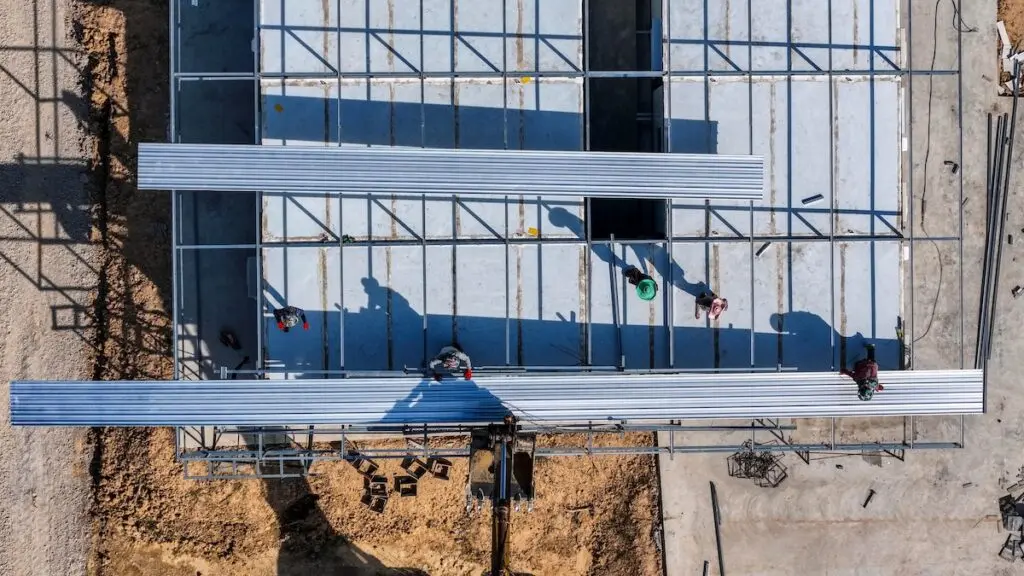
Small warehouse roof problems compound quickly given the scale of these buildings. A single failing seam or clogged drain that goes unnoticed for months can lead to widespread insulation saturation, structural deck damage, and, in the worst cases, disruption to operations while emergency repairs are made. What would have been a routine, planned commercial roof repair often turns into an urgent, more expensive project once the damage has had time to spread across a large roof area, which is exactly why proactive roofing solutions matter so much for buildings this size.
Warehouse Roof Repair: Common Questions Answered
Here are direct answers to the questions facility managers ask most.
How often should a warehouse roof be inspected?
Most industry guidelines recommend at least twice a year, in spring and fall, with additional inspections after any significant storm or extreme weather event.
Can warehouse roof repairs be done without shutting down operations?
In most cases, yes. Roofing work is typically done from the exterior and can often be scheduled around operational hours, though larger repairs may require coordination to manage noise or limited interior access during the work.
How do I know if my warehouse roof needs repair or full replacement?
It depends on the extent and pattern of the damage. Isolated issues on an otherwise sound roof usually call for targeted repair, while widespread membrane wear, frequent leaks, or a roof nearing the end of its expected lifespan often make replacement the more cost-effective choice.
Does warehouse roof maintenance affect insurance or warranty coverage?
Often, yes. Many manufacturer warranties and some insurance policies require documented, regular maintenance to remain valid, making a consistent inspection schedule worthwhile beyond just catching problems early.
Ready to Get Your Warehouse Roof Assessed?
A warehouse roof problem rarely stays small for long, given the scale of these buildings and everything stored underneath them. Summit Roofing provides commercial roofing services and roofing services tailored to industrial buildings, walking your entire roof, documenting its condition with photos, and giving you a clear picture of what needs attention now versus what can be planned for down the road, so you can budget and schedule with confidence instead of reacting to emergencies.
Schedule a warehouse roof assessment with Summit Roofing today.