 7 Min Read
 08/19/2026
How Long Does A Shingle Roof Last? 9 Tips for a Long-Lasting Roof
If you’re wondering how long does a shingle roof last, the honest answer is that it depends on the shingle quality, the installation, and how well the roof is maintained over the years. The good news is that homeowners have real control over where their roof lands in that range, and a few consistent habits can add years to its lifespan.
Here’s a quick look at what makes the biggest difference:
- The quality of the shingles and underlying materials used
- How well the roof was installed in the first place
- Regular maintenance, like gutter cleaning and inspections
- How quickly small issues get addressed before they grow
If you’re comparing shingle brands or wondering what’s already on your roof, explore our brands and materials to learn more about the products we install and why they hold up so well.
What’s the Average Lifespan of a Shingle Roof?

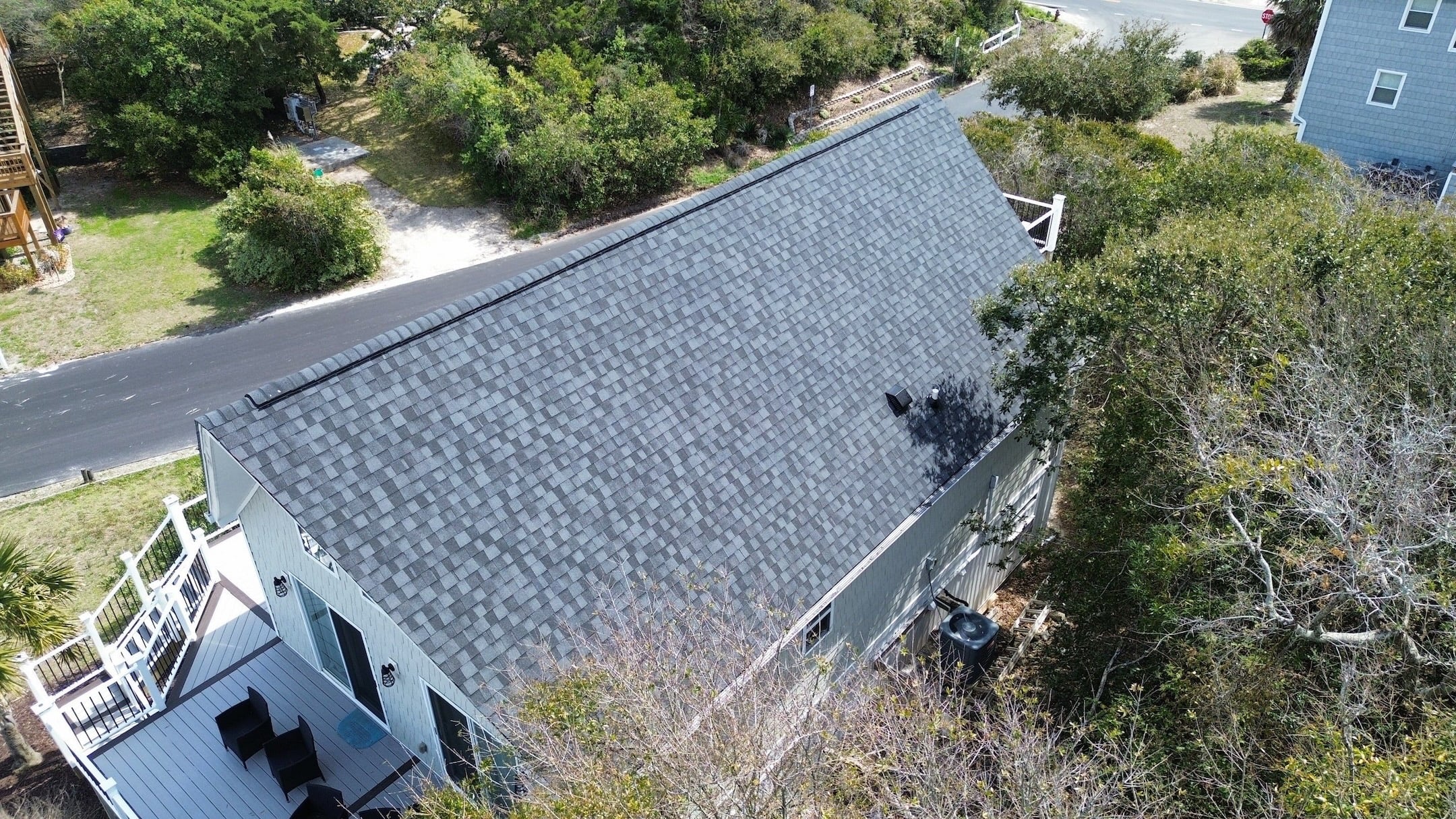
Most asphalt shingle roofs last somewhere between 15 and 30 years, with the exact number depending heavily on shingle type. Basic three-tab shingles tend to fall on the shorter end of that range, while thicker architectural shingles, like CertainTeed’s Landmark line, are built to last longer and hold up better against wind and impact.
According to the National Association of Home Builders, asphalt shingle roofs have an average life expectancy of about 20 years, based on a nationwide study of home component longevity. That figure is a helpful baseline, but plenty of roofs exceed it with the right roofing materials and installation quality, especially in milder climates.
It’s worth noting that asphalt shingles lifespan is on the shorter end compared to some other roofing systems. Metal roofs and concrete tile roofs typically last significantly longer, often 40 to 50 years or more, though they also come with a higher upfront cost. A concrete roof or metal roofing system can make sense for homeowners planning to stay put long-term, while architectural asphalt shingles remain the more budget-friendly choice for most residential roofs.
9 Tips to Help Your Shingle Roof Last Longer
None of these tips require major investment, but together they can meaningfully extend the life of your roof.
1. Schedule Regular Roof Inspections
Catching small problems early is the single best way to avoid a shortened roof lifespan. A professional roof inspection once a year, or after any major storm, helps identify issues before they turn into leaks.
- Book an inspection annually, ideally in spring or fall
- Always schedule one after severe wind or hail events
- Keep a written record of past inspections and repairs
2. Keep Gutters Clean and Clear
Clogged gutters cause water to back up under the shingles at the roof’s edge, which can lead to rot and premature wear.
- Clean gutters at least twice a year
- Check for proper drainage away from the foundation
- Install gutter guards if debris buildup is a recurring issue
3. Trim Overhanging Tree Branches
Branches that hang over the roof drop leaves and debris that trap moisture, and they can scrape or puncture shingles during high winds.
- Trim branches back a few feet from the roofline
- Remove dead or weak limbs before storm season
- Clear fallen leaves and debris from valleys and low spots
4. Ensure Proper Attic Ventilation
Poor attic ventilation traps heat and moisture, which accelerates shingle aging from underneath, even if the surface looks fine.
- Confirm your attic has balanced intake and exhaust ventilation
- Watch for signs of excess heat buildup in summer months
- Address any moisture or condensation issues promptly
5. Address Minor Repairs Quickly
A single missing shingle or small leak rarely stays small for long. Fixing minor issues right away prevents them from compromising the roof shingles and roof deck underneath, and keeps your whole roofing system working the way it’s supposed to.
- Repair loose or missing shingles as soon as they’re spotted
- Don’t wait for a leak to become visible indoors before acting
- Keep a relationship with a trusted roofing contractor for quick fixes
6. Remove Moss, Algae, and Debris
Moss and algae growth can trap moisture against the shingle surface, breaking down the material faster than normal weathering would.
- Have algae-resistant shingles installed if you’re replacing your roof
- Clean visible moss or algae growth carefully to avoid shingle damage
- Keep the roof surface clear of leaves, pine needles, and other debris
7. Choose High-Quality Shingles and Materials
Not all shingles are built the same, and the materials you choose upfront have a major impact on how long your roof will last.
- Consider architectural or dimensional shingles over basic three-tab options
- Look into manufacturer warranties and what they actually cover
- Ask your contractor about impact-resistant or wind-rated shingle options
8. Hire a Qualified, Licensed Contractor
Even the best architectural asphalt shingles can fail early if they’re installed incorrectly. Installation quality, including proper nailing patterns, flashing, and underlayment, matters just as much as the shingle itself.
- Choose a contractor with manufacturer certifications when possible
- Ask for references and examples of past work
- Confirm your contractor follows manufacturer installation guidelines
9. Monitor Your Roof After Severe Weather
Storms, high winds, and hail can shave years off a roof’s expected lifespan if the resulting damage goes unnoticed.
- Do a visual check from the ground after any significant storm
- Watch for granule loss, lifted shingles, or debris on the roof
- Schedule a professional inspection if you suspect any damage

Signs Your Shingle Roof May Be Nearing the End of Its Life
Even with great maintenance, every shingle roof eventually reaches the end of its usable life. Curling or cupping shingles, widespread granule loss, and recurring leaks are all signs that repairs are no longer a long-term solution. If your roof is approaching or past the 20-year mark and showing any of these signs, it’s worth getting a professional opinion before a small issue turns into water damage inside the home.
How Long Does a Shingle Roof Last: Questions Homeowners Ask
Here are straightforward answers to some of the most common questions about shingle roof lifespan.
Do more expensive shingles really last longer?
Generally, yes. Thicker architectural and premium shingles are built with more layers and better materials than basic three-tab shingles, which typically translates into a longer usable lifespan and better wind resistance.
Does roof color affect how long shingles last?
It can play a small role. Darker shingles absorb more heat, which may slightly accelerate wear in very hot, sunny climates, while lighter shingles tend to stay a bit cooler.
How often should I replace my roof if I take good care of it?
There’s no single answer, since it depends on the shingle type and local climate, but many well-maintained architectural shingle roofs perform well for 25 to 30 years or more before replacement becomes necessary.
Can I extend my roof’s life without a full replacement?
Often, yes. Targeted repairs, improved attic ventilation, and prompt attention to minor damage can meaningfully extend a roof’s usable life, though there’s a point where repairs stop making financial sense compared to replacement.
Not Sure How Much Life Is Left in Your Roof?

If you’re unsure whether your shingle roof needs a repair or a full replacement, Summit Roofing can help you make an informed decision. We’ll inspect your roof, walk you through your options, and help you choose materials built to last.
Contact Summit Roofing today to schedule your free, no-obligation inspection.