 9 Min Read
 10/21/2026
Shingle Roof Replacement: 9 Signs It’s Time for New Shingles
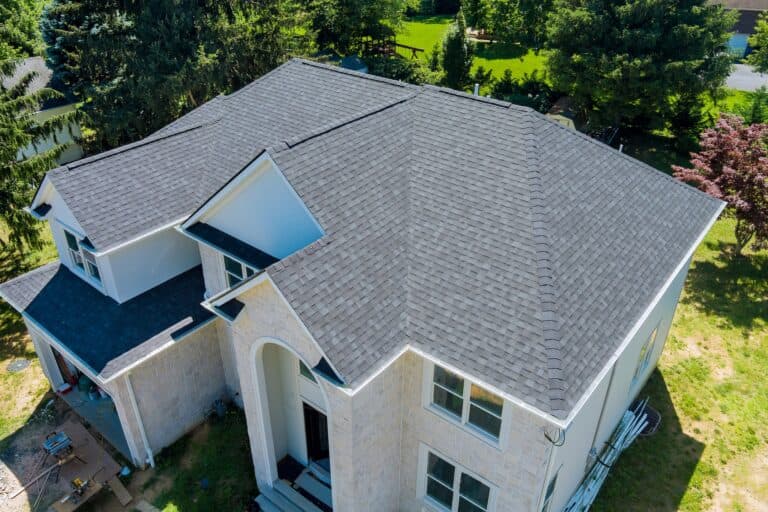
Most homeowners put off thinking about shingle roof replacement until a leak forces the conversation. By then, water has usually been working its way into the deck and insulation for a while, and a manageable project has turned into a bigger one. The good news is that shingles rarely fail without warning. They show their age in visible, checkable ways, and knowing what to look for lets you plan a replacement on your terms instead of in the middle of a storm.
Here’s a quick look at what we’ll cover:
- How long shingle roofs typically last and why coastal weather shortens that
- Nine signs that point toward replacement rather than a quick fix
- How to decide between repairing and replacing
- What to expect once you decide to move forward
If you’re weighing your next move, comparing shingle brands and materials alongside residential roof replacement options is a good way to start.
How Long Does a Shingle Roof Last?
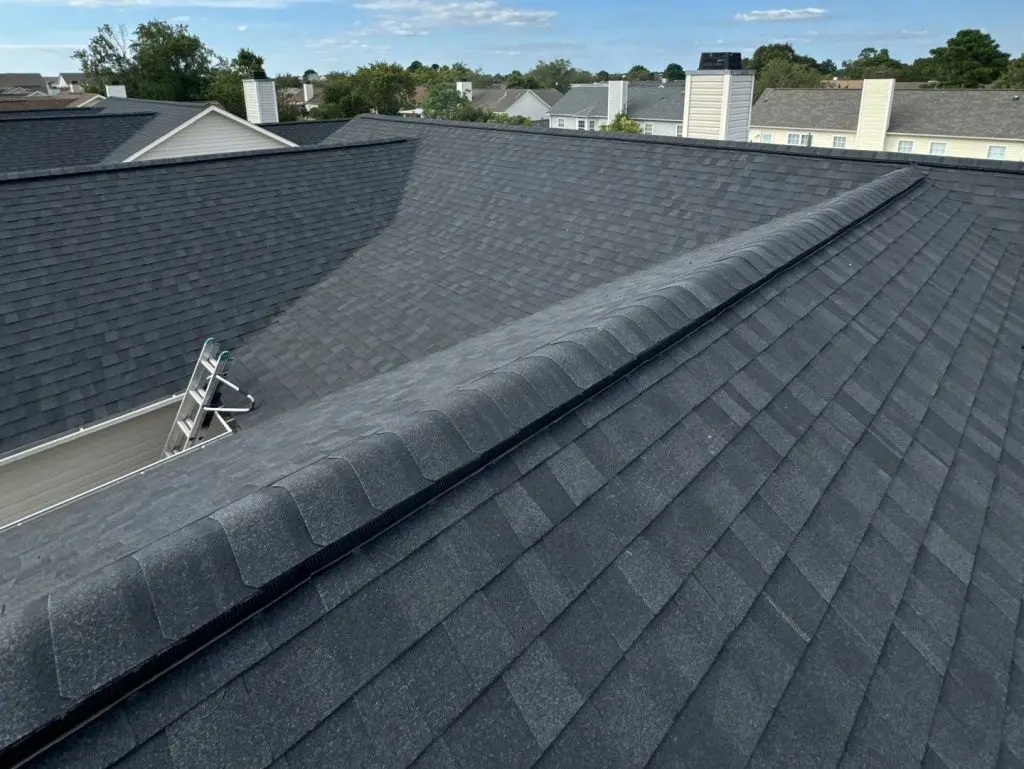
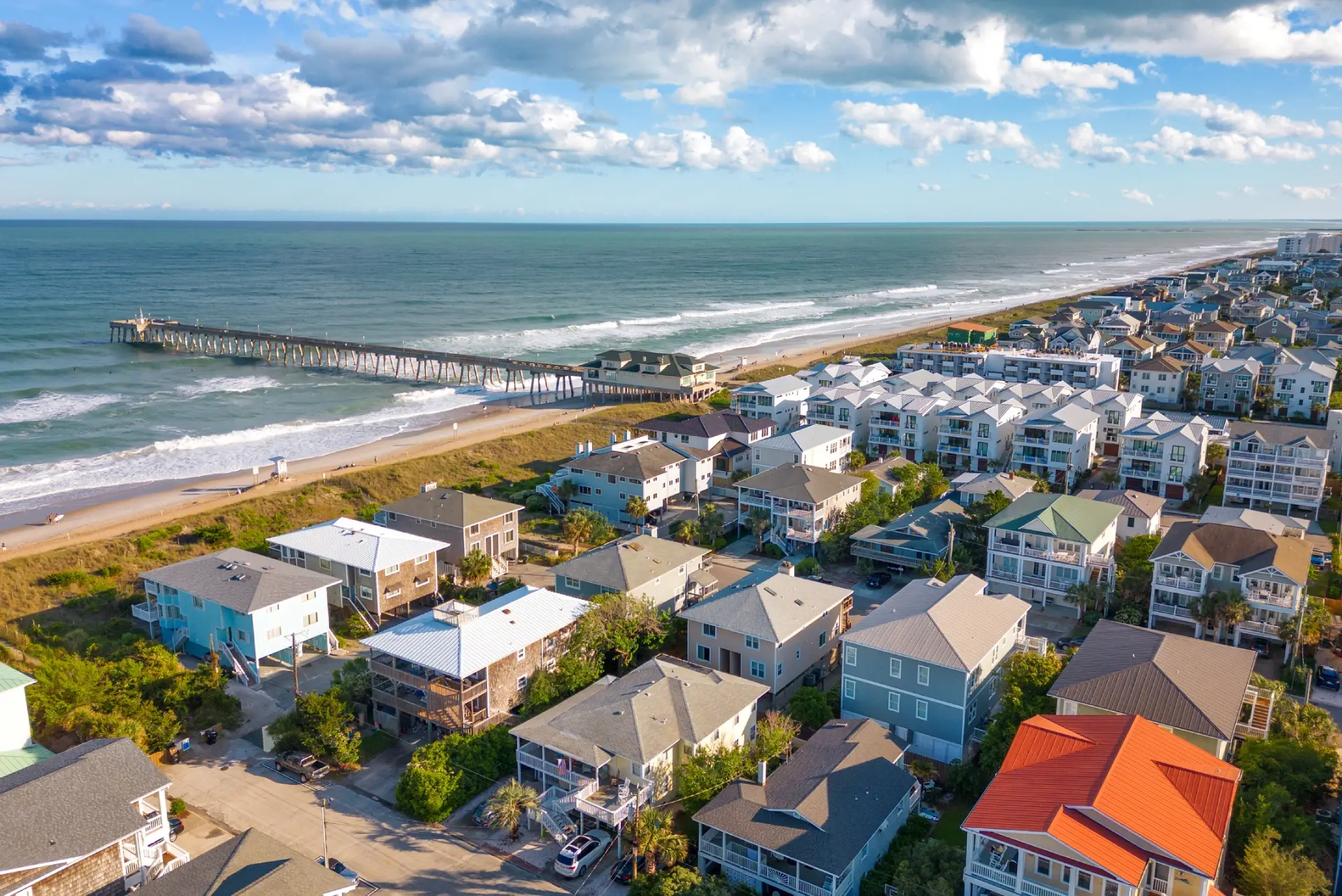
Asphalt shingle roofs generally last somewhere between 15 and 30 years, and where yours lands depends on the type of shingle, the installation, attic ventilation, and the weather the roof has lived through. Thicker architectural asphalt shingles often outlast basic three-tab shingles, which tend to sit at the shorter end of that range. Along the Cape Fear coast, heat, humidity, salt air, and storm-driven wind all add wear, which is why a roof can show its age sooner here than the same roof would inland. Age alone doesn’t decide replacement, but it frames how seriously to take every sign below, and keeping up with regular residential roof maintenance helps you catch problems earlier.
9 Signs It’s Time for Shingle Roof Replacement
Not every flaw means a new roof is due. Look for patterns, because widespread wear points toward replacement while an isolated problem usually does not.
1. Your Roof Is Near the End of Its Expected Lifespan
A roof that has reached the typical age range for its shingle type is closer to failure than it looks from the driveway, even without obvious damage. Shingles lose flexibility and sealant strength over time, so older roofs are more likely to give way in the next storm.
- Find the date: Check closing paperwork, permits, or old invoices for the installation year
- Shingle type: Three-tab shingles usually age out sooner than architectural shingles
- Timing: A roof approaching 20 years is worth a professional look even if it seems fine
2. Heavy Granule Loss
Granules are what protect a shingle from the sun. According to the Insurance Institute for Business & Home Safety, shingle granules are coated rocks that protect the fiberglass mat from damaging UV rays and give the shingle its color. When they wear away in quantity, the shingle is exposed and ages quickly, so widespread loss is a strong signal that the roof is wearing out.
- Gutter check: A gritty, sand-like buildup in gutters or at downspout exits
- Bare patches: Dark spots where the underlying asphalt is showing
- Uneven wear: Sun-facing slopes often lose granules first
- Next step: Loss across most of the roof usually points to replacement, not patching
3. Curling or Cupping Shingles
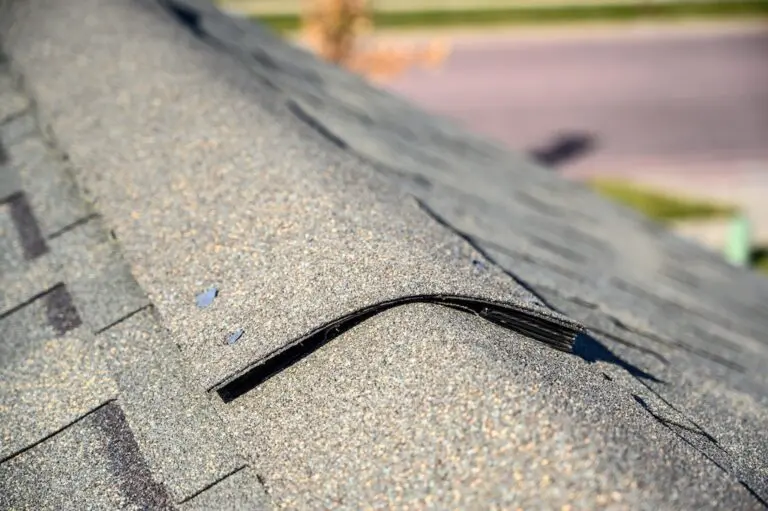
Shingles that curl at the edges or lift in the middle have usually lost their flexibility and their grip on the shingles below. Left alone, exposed edges catch wind and let water underneath.
- What you’ll see: Edges turning upward or centers rising off the roof surface
- Why it happens: Age, heat, and trapped attic moisture or poor ventilation
- Isolated or widespread: A few curled shingles can be addressed, while widespread curling points to replacement
4. Cracked, Missing, or Broken Shingles
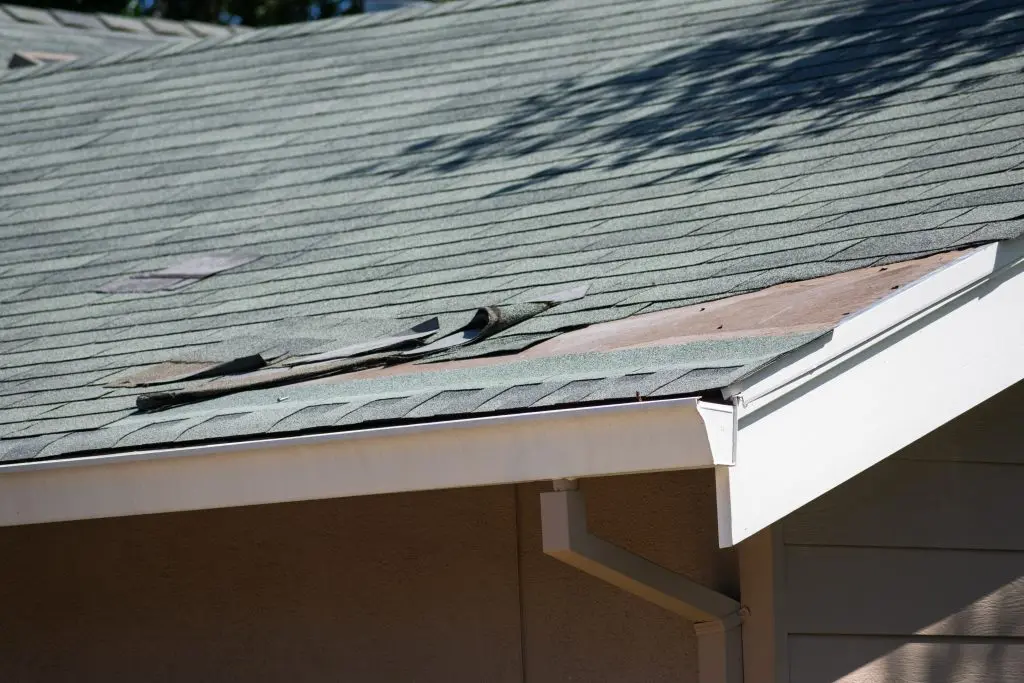
A few missing shingles after a storm are one thing. Cracked or brittle roof shingles scattered across the whole roof are another, because they signal that the material itself has aged out.
- Missing pieces: Bare spots or exposed underlayment along the roofline
- Cracks and splits: Brittle shingles that break instead of flexing
- Pattern matters: Damage spread across several slopes is a bigger concern than one damaged area
5. Leaks or Water Stains Inside the Home
Ceiling stains, peeling paint near the roofline, and damp spots in the attic mean water is getting past the shingles and into the structure. One leak can often be traced to a single cause, but recurring leaks in different places suggest a roof that’s failing as a whole.
- Ceilings and walls: Yellow or brown stains, bubbling paint, or damp drywall
- Attic check: Wet insulation, dark wood, or a musty smell
- Pattern: Leaks in more than one location often mean a system-wide problem
6. Sagging or Soft Spots
A roofline that dips, sags, or feels spongy underfoot suggests moisture has reached the roof deck. This is one of the more serious signs, because damaged decking has to be addressed once the existing roofing material comes off, as part of any replacement.
- Visible dips: Wavy or uneven lines along the roof from the street
- Soft feel: Spongy sections noticed during a professional inspection
- Priority: Treat this sign as urgent rather than waiting for the next season
7. Daylight or Moisture in the Attic
The attic tells the truth about a roof. Pinpoints of daylight coming through the deck, dark water marks, or damp insulation show that the roof system is no longer keeping the weather out.
- Daylight: Small beams of light visible through the roof boards
- Moisture signs: Dark staining, damp insulation, or mold-like spots
- Next step: Have a roofer look at the deck from both sides before deciding
8. Repairs Keep Adding Up
If you’re calling someone out every season, you’re paying for the roof twice, once in repair bills and again in worry. A pattern of repeat fixes is often a sign that the underlying material is past the point where patching makes sense.
- Frequency: A new problem every year or two
- Cost math: Compare what you’ve spent recently against current roof replacement costs for your home
- Chasing leaks: Fixing one spot only for another to appear nearby
9. Storm Damage That Reaches Beyond a Few Shingles
Wind and hail can damage shingles across large areas of a roof, sometimes without obvious signs from the ground. When damage is spread widely, a full roof replacement can be more practical than patching dozens of spots, and a free storm damage inspection can help you sort out what you’re dealing with.
- Wide damage: Lifted, bruised, or cracked shingles on multiple slopes
- Insurance: Storm damage may be covered, while normal wear usually is not
- Inspection: Have the roof checked soon, since damage tends to worsen with each storm
Repair or Replace? How to Decide
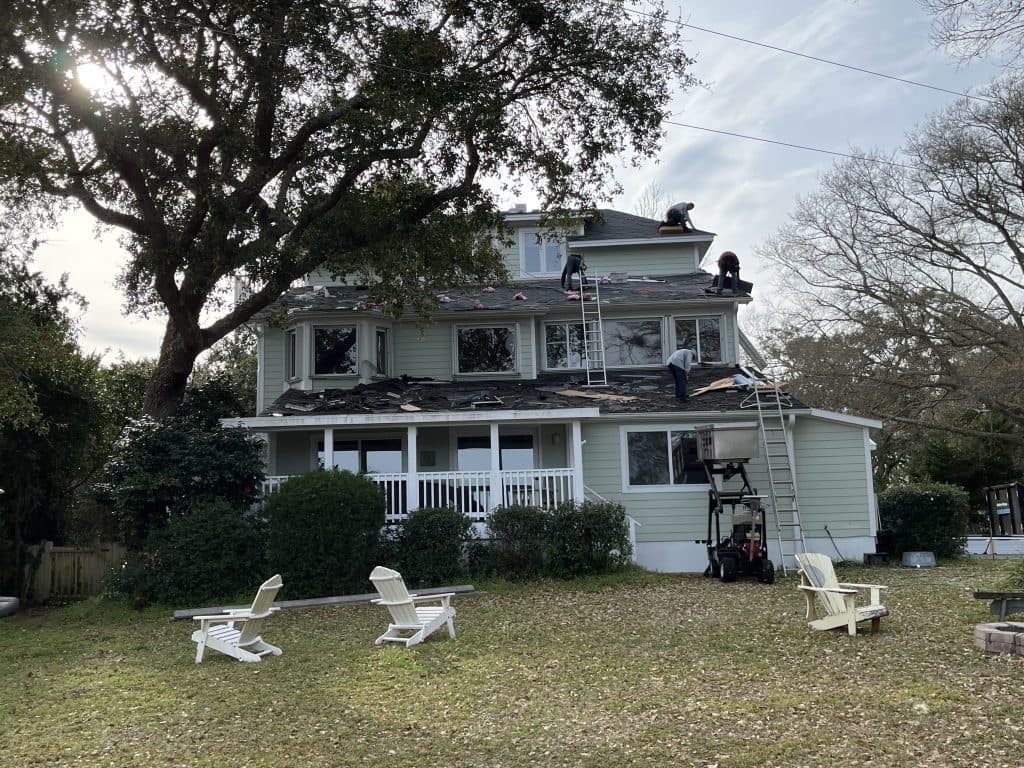
Whether to replace roof shingles in one area or commit to a full roof replacement depends on how much of the roof is affected and how old it is. A newer roof with limited damage is usually a good candidate for targeted work, while an older roof with problems in several places is often better served by starting fresh.
- Targeted work usually makes sense when: The roof is fairly young, the damage is confined to one area, and the rest of the shingles are in good shape
- Replacement usually makes sense when: The roof is near the end of its lifespan, wear is widespread, or problems keep returning
Cost, Materials, and Choosing the Right Contractor
Roofing is often quoted per square foot, but the final number depends on the size and pitch of the roof, the condition of the decking, and the material you choose. Architectural asphalt shingles are a popular step up from basic three-tab shingles, and some homeowners use a replacement as the moment to consider metal roofing, including standing seam metal roofing, which Summit Roofing also installs. If your current shingles failed early, ask whether defective shingles could be involved, since manufacturer warranties may apply. And whenever you compare roofing contractors, look for a detailed estimate that explains what’s included, not just a total price.
What to Expect During a Shingle Roof Replacement
Knowing the process takes a lot of the stress out of the decision. At Summit Roofing, it starts with a free, no-obligation estimate, where the team assesses your roof’s condition, talks through your needs, and provides a detailed, transparent quote. Once you approve it, you get a customized plan and a walk-through of the details before work begins.
On installation day, the crew arrives on time and keeps the job site clean and safe throughout. Most roof replacements are completed within one to two days, depending on the size and complexity of the project, and the work ends with a final inspection. As a CertainTeed Shingle Master and Owens Corning Preferred Contractor, Summit Roofing backs every roof replacement with a lifetime workmanship warranty, and financing is available for homeowners who want to spread out the cost.
Shingle Roof Replacement: Common Questions Answered
Here are direct answers to the questions homeowners ask most before replacing their shingles.
How do I know if my shingles need to be replaced?
Look for widespread curling, cracking, or granule loss, recurring leaks, or a roof that has reached the typical age range for its shingle type. Isolated damage can often be handled without a full replacement, but problems in several areas usually point toward one.
How long does a shingle roof replacement take?
Most roof replacements are completed within one to two days, depending on the size and complexity of the project.
How much does a shingle roof replacement cost?
Roof replacement costs depend on the size of the roof, its pitch and complexity, the shingle you choose, and whether any decking needs attention. A free estimate based on an inspection of your actual roof is the most reliable way to get a real number.
Does insurance cover shingle roof replacement?
It can when storm damage is the cause, though normal wear and age are typically excluded. Your policy and deductible determine what’s covered, so it helps to document the damage and review your policy before you file.
Is it better to replace a roof before it leaks?
Often, yes. Replacing a roof that’s clearly near the end of its life lets you plan the project and the budget, and it avoids the interior water damage that tends to follow once leaks begin.
Ready to Talk About New Shingles?
If you’ve noticed any of these signs, a quick look from someone who does this every day can tell you whether you’re dealing with a small issue or a roof that’s ready to be replaced. Summit Roofing will assess your roof’s condition, explain what we find in plain terms, and give you a detailed estimate with no obligation.
As a family-owned team serving homeowners across the Cape Fear region, we’d rather you make this decision with all the facts than under pressure after a leak.
Schedule your roof replacement estimate with Summit Roofing today.