

 6 Min Read
 09/02/2026
Residential Roof Maintenance: 8 Tips To Help Extend Roof Life
A roof is one of the biggest investments in any home, and a little consistent care goes a long way toward protecting it. Residential roof maintenance doesn’t have to be complicated or expensive, but skipping it entirely is one of the fastest ways to shorten a roof’s usable life and end up facing costly repairs well before they should be necessary. The roof maintenance tips below cover the habits that matter most.
Here’s a quick look at what we’ll cover:
- Simple habits that make a real difference over time
- Which maintenance tasks are safe for homeowners to handle themselves
- Which tasks are better left to a professional
- Why regular upkeep pays off more than most homeowners expect
If you’re not sure where your roof currently stands, a walk-through from a professional is often the fastest way to find out.
Why Roof Maintenance Matters More Than Most Homeowners Realize
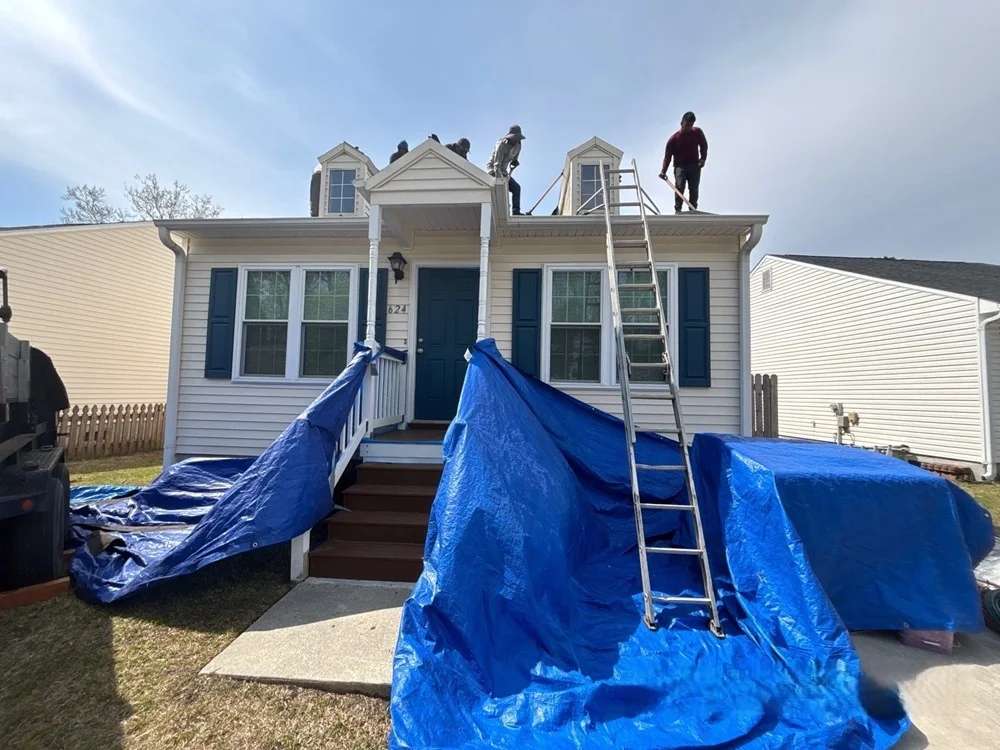
Roofs rarely fail all at once. Most problems start small, a lifted asphalt shingle, a clogged gutter, a bit of trapped moisture, and grow steadily worse without regular attention. According to the National Roofing Contractors Association, building owners and homeowners should schedule roof system inspections at least twice per year, in the spring and fall, with an additional inspection after any severe storm involving strong winds or hail. That simple rhythm is the foundation that most other maintenance tasks build on, and it applies just as much to Wilmington’s coastal homes, where salt air, humidity, and frequent storms all add extra wear to the roof’s surface that inland homes don’t face to the same degree. A well maintained roof system handles all of that stress far better than one that’s been left unchecked.
8 Tips To Help Extend Your Roof’s Life
None of these tips require major investment, and together they add up to meaningfully longer roof life.
1. Schedule Professional Inspections Twice a Year
A spring and fall inspection catches most seasonal wear before it becomes a real problem.
- Book inspections in spring and fall as a standing habit
- Keep written records or photos from each visit
- Add an extra inspection after any significant storm
2. Keep Gutters Clean and Clear
Clogged gutters send water back up under the shingles at the roof’s edge instead of away from the house.
- Clean gutters at least twice a year, more often under heavy tree cover
- Check for sagging sections or loose brackets
- Confirm downspouts allow for proper drainage away from the foundation
3. Trim Overhanging Tree Branches and Remove Debris
Branches that hang over the roofline drop debris and can scrape shingles during wind events, while moss and algae trap moisture against the shingle surface underneath.
- Trim branches back several feet from the roof
- Clear fallen leaves and needles from valleys regularly
- Use a soft brush, never a pressure washer, to remove moss or algae
4. Maintain Proper Attic Ventilation
Poor ventilation traps heat and moisture, which ages shingles from underneath even when the surface looks fine.
- Confirm intake and exhaust vents are balanced and unobstructed
- Watch for signs of excess attic heat in summer
- Address any condensation or musty odors promptly
5. Address Minor Repairs Right Away
A single loose or damaged shingle rarely stays minor for long, since water that gets past it can reach the roof decking underneath.
- Fix loose or missing shingles as soon as you notice them
- Don’t wait for a leak to show up indoors before acting
- Keep a trusted contractor’s contact information on hand for quick fixes
6. Check and Reseal Flashing Regularly
Flashing around chimneys, vents, skylights, and other roof penetrations is one of the most common failure points on any roof.
- Inspect flashing for gaps, rust, or separation each season
- Reseal or replace flashing before it becomes a leak source
- Pay extra attention to flashing after any storm with high winds
7. Inspect After Every Major Storm
High winds, hail, and heavy rain can all cause damage that isn’t obvious from the ground.
- Do a visual check from the ground after significant weather
- Look specifically for damaged or curling shingles, debris, and dented roof vents
- Schedule a professional inspection if anything looks questionable
8. Watch for Salt Air Corrosion on Metal Components
Coastal homes face an added challenge with metal flashing, vents, and fasteners exposed to salt air.
- Check exposed metal components for early signs of rust or pitting
- Consider corrosion-resistant fasteners and flashing in coastal areas
- Rinse accumulated salt residue off metal surfaces periodically if accessible safely

A Simple Roof Maintenance Checklist by Season
If eight tips feels like a lot to track, it helps to think of maintenance in terms of a simple seasonal rhythm rather than a long checklist to memorize all at once.
- Spring: Inspect for winter wear, clear debris, check flashing and vents
- Summer: Watch attic ventilation and heat buildup
- Fall: Clean gutters thoroughly before leaf drop slows, trim tree branches back from the roofline
- Winter: Watch for roof damage after storms, schedule repairs before spring
Anchoring maintenance to the seasons makes it far easier to stay consistent than trying to remember every task on an ad hoc basis.
Why DIY Maintenance Has Limits
Basic housekeeping, like clearing visible debris from the ground or keeping an eye out from a distance, is reasonable for most homeowners to handle as part of regular maintenance. Actual roof access, close-up inspection, and repair work carry real risk and are best left to a professional with the right training and safety equipment. Watching for pests, checking skylight seals, and monitoring shingle granule loss all fall into this category too, since spotting these issues up close is far easier for a trained eye than from the ground. Roofing contractors can also spot early warning signs that aren’t obvious to an untrained eye, which is where most of the real value of a maintenance relationship comes from.
Residential Roof Maintenance: Common Questions Answered
Here are direct answers to the questions we hear most from homeowners.
How much does routine roof maintenance typically cost?
It varies by region and roof type, but regular roof inspections and minor roof repairs are generally far less expensive than a single major repair, let alone a full replacement.
Can I do roof maintenance myself to save money?
Some basic tasks, like gutter clearing from a ladder or visual inspections from the ground, are reasonable for most homeowners. Anything requiring roof access is safer and more effective when handled by a professional.
How do I know if my roof needs more than routine maintenance?
Persistent leaks, sagging areas, widespread granule loss, or a roof approaching 20 years old are all signs it’s time for a more thorough professional assessment.
Does regular roof maintenance really extend a roof’s lifespan?
Yes. Catching small issues early, before they compound into bigger problems, is one of the most reliable ways to help a roof reach or exceed its expected lifespan.
Ready for a Maintenance Checkup?
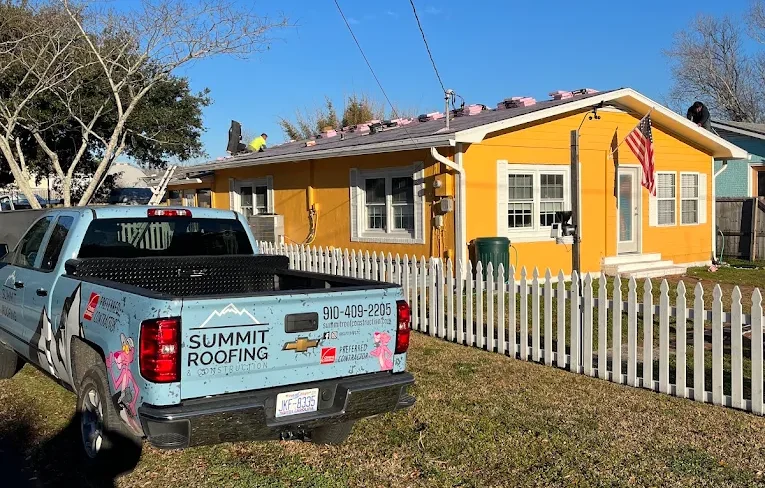
If it’s been a while since your roof had a proper look, Summit Roofing can help you get ahead of small issues before they become expensive ones.
Schedule your roof maintenance visit with Summit Roofing today.