 7 Min Read
 08/07/2026
Storm Damage Roof Inspection: 8 Things Experts Look for After High Winds
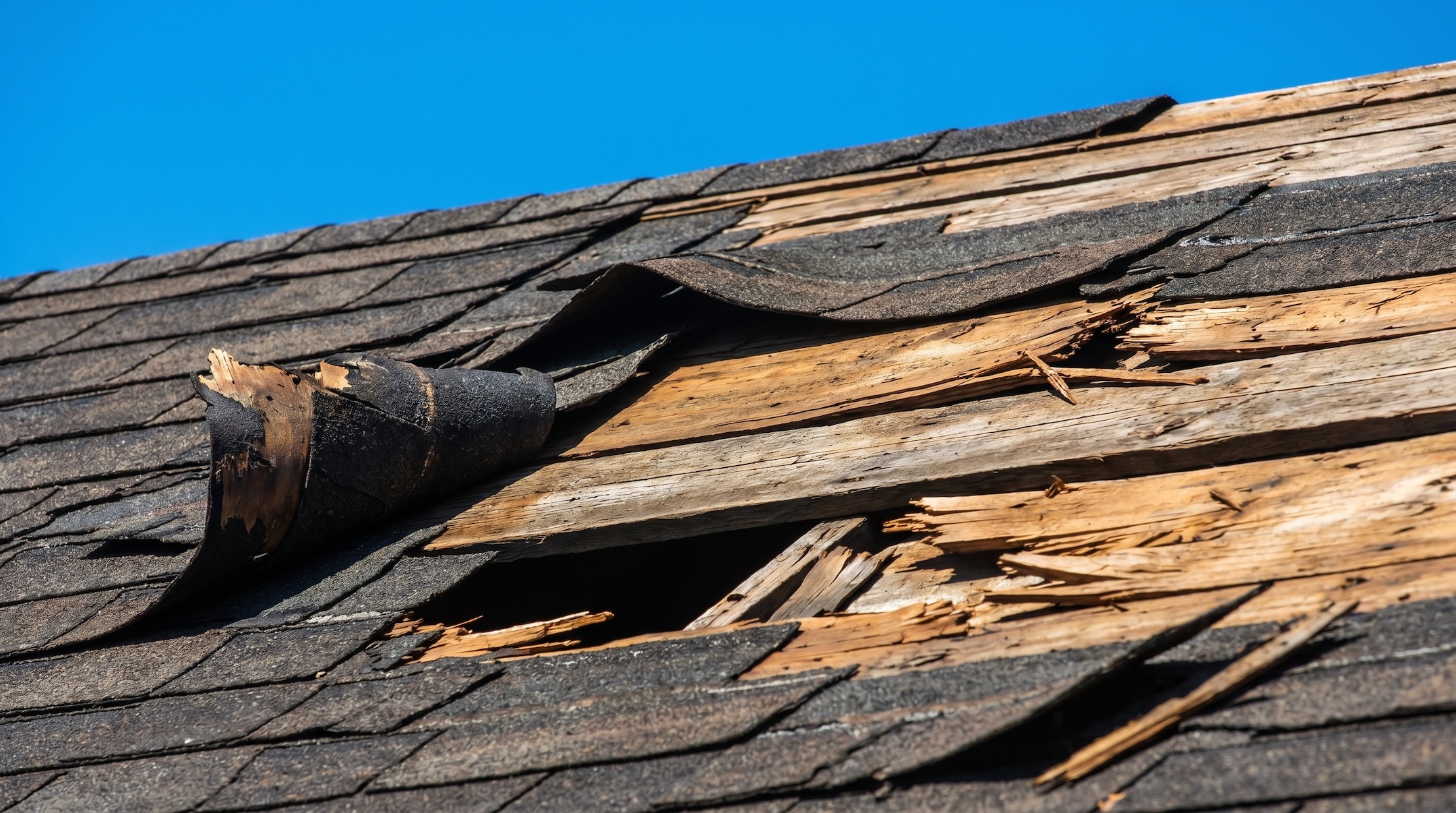
When high winds or hail move through the Wilmington area, the aftermath isn’t always obvious from the driveway. A storm damage roof inspection is designed to catch the visible damage, and the damage that isn’t so visible, before it turns into roof leaks, a mold problem, or a much bigger repair bill.
Here’s what a professional inspection typically involves:
- A full walk of the roof surface, not just a glance from the ground
- A check of every vulnerable point, including flashing, vents, and the roof deck
- An interior look at the attic and ceilings for early signs of water intrusion
- A written summary of findings that can support an insurance claim if needed
If a recent windstorm has you wondering what shape your roof is really in, our storm damage repair team can walk your roof and give you a clear, honest answer.
Why a Professional Roof Inspection Matters After a Storm
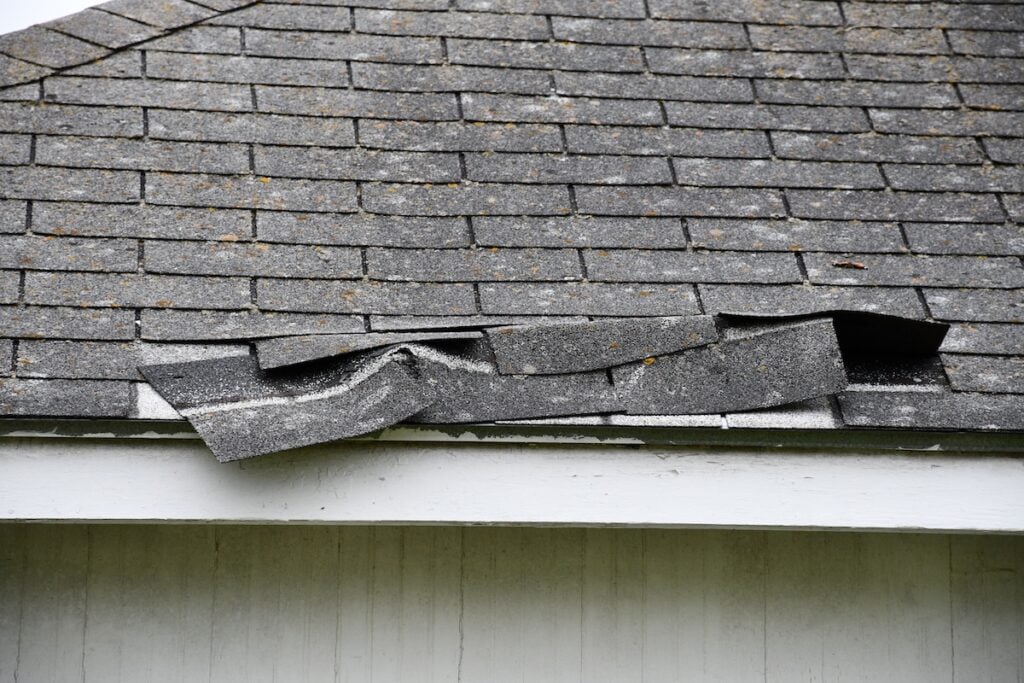
Wind and hail don’t always announce themselves with a dramatic hole in the roof. Most storm damage starts small: a shingle seal broken, a piece of flashing nudged out of place, a few granules knocked loose. None of that is visible from the street, and none of it shows up until the next heavy rain finds its way in. That’s exactly why a roof inspection after severe storms matters, even when the roofing system looks fine at first glance.
It’s a good idea to schedule a roof inspection within 24-48 hours after a storm, while the damage is fresh and easy to document. Roofing experts also know what “normal” wear looks like versus fresh storm damage, which matters if you plan to file an insurance claim. Adjusters want documentation that ties the damage to a specific weather event, and a professional inspection report gives you that.
8 Things Roofing Experts Check After High Winds
A thorough storm damage roof inspection follows a consistent pattern, checking the same vulnerable points every time. Here’s what an experienced roofer is looking for when they get up on your roof after a windstorm.
1. Shingle Condition and Seal Integrity
The first thing most inspectors check is the condition of the shingles themselves. High winds create uplift that can tear shingles loose or break the adhesive seal holding them down, even without blowing them off completely. Debris from storms can also dent shingles and cause moisture intrusion, even when the damage isn’t obvious from the ground. A broken seal or a few damaged shingles is often invisible from the street but is one of the most common starting points for a leak.
- Shingles that appear lifted, curled, or loose at the edges
- Broken or missing seal strips between shingle courses
- Shingles that flex or move when lightly pressed
2. Granule Loss and Hail Damage
Asphalt shingles lose a small number of granules naturally over time, but wind and hail accelerate that process significantly. Hail can leave dents and granule loss on shingles, and dents on metal roof vents or flashing indicate potential hail damage as well, so inspectors check both the shingle surface and the surrounding metal components for signs of impact.
- Bald or thinning patches on individual shingles
- Granule buildup in gutters, downspouts, and around the base of the home
- Small circular dents or bruising on shingles, vents, or flashing
3. Roof Deck and Sheathing
If wind manages to tear off shingles or underlayment, the roof deck underneath is the last line of defense against water. Inspectors check for soft spots, sagging, or visible daylight in the attic, all of which point to a compromised deck.
- Soft or spongy areas when walked or pressed
- Visible sagging or unevenness along the roofline
- Signs of moisture or rot on exposed sheathing where visible
4. Flashing Around Roof Penetrations
Flashing seals the seams around chimneys, vents, skylights, and anywhere two roof planes meet. It’s a small component, but wind can bend or dislodge it just enough to open a path for water.
- Flashing that appears bent, lifted, or pulled away from the surface
- Gaps or cracked sealant around chimney and vent bases
- Rust or corrosion on older metal flashing
5. Soft Spots or Structural Sagging
Beyond the roof deck itself, inspectors look at the broader roofline for any dips or unevenness that could indicate trapped moisture or a weakened structure underneath.
- Visible dips when viewed from a distance or from a ladder
- Any give underfoot during a walked inspection
- Uneven shadow lines along the ridge or eaves
6. Gutters and Downspouts
Gutters take a beating during high winds and hail, and clogged gutters often affect how well the rest of the roof drains during the next storm, which can lead to further moisture intrusion around the roofline.
- Bent, sagging, or detached gutter sections
- Downspouts clogged with granules, leaves, or broken shingle pieces
- Improper drainage away from the foundation
7. Attic and Interior Signs of Leaks
A complete inspection doesn’t stop at the roofline. Checking the attic and upper-floor ceilings often reveals roof leaks before they’re visible from outside. Interior leaks can manifest as fresh water stains and must be investigated promptly, since they typically point to damage that’s already had time to develop.
- Notice water stains or discoloration on rafters and decking
- Damp or compressed insulation
- Musty odors or visible mold growth
8. Overall Roof Age and Remaining Lifespan
Finally, an experienced inspector will factor in the roof’s overall age and condition. A newer roof with isolated wind damage usually just needs a targeted repair, while an older roof nearing the end of its expected lifespan may not hold up as well to repeated storms.
- Widespread wear consistent with the roof’s age
- Multiple prior repair patches
- Manufacturer warranty status and remaining coverage
What Happens After the Inspection
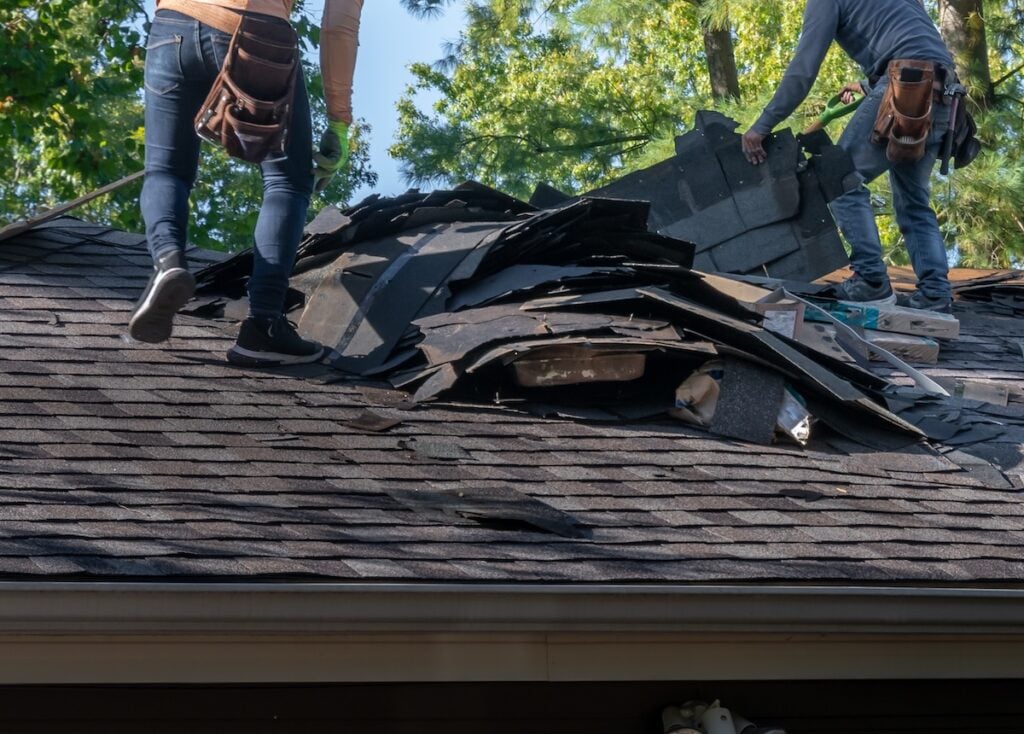
Once the inspection is complete, you should walk away with a clear picture of your roofing system’s condition, not just a list of problems. A good roofing contractor will explain what they found, show you photos of anything concerning, and lay out your options in plain terms, whether that’s targeted roof repairs, a partial replacement, or a full roof replacement.
If you’re planning to file an insurance claim, this documentation becomes part of your case. Most insurance policies require timely claims after storm damage, so getting an inspection scheduled quickly protects your ability to file. Research shows that wind speeds as low as 50 mph can tear off a roof’s covering, according to the Insurance Institute for Business & Home Safety, which means even a run-of-the-mill thunderstorm can justify a closer look at your roof’s condition.
Storm Damage Roof Inspections: Answers Homeowners Actually Want
Homeowners considering a post-storm inspection tend to ask a handful of practical questions. Here are direct answers to the ones we hear most.
How soon after a storm should I get my roof inspected?
Within a few days if possible. Wind damage tends to worsen with each additional storm, so getting ahead of it limits how much water intrusion has a chance to occur.
Is a roof inspection free?
Many roofing contractors, including Summit Roofing, offer free inspections after a storm. It’s worth confirming this upfront, since it removes any hesitation about getting a professional opinion.
Will my insurance company accept a contractor’s inspection report?
In most cases, yes, especially when the report is detailed and includes photos. Adjusters often welcome a second, professional set of eyes on the roof, particularly for damage that isn’t obvious from the ground.
What if the inspector doesn’t find any damage?
That’s a good outcome. A clean inspection gives you peace of mind and a documented baseline for your roof’s condition, which can be useful if you ever need to compare it to a future storm.
Schedule Your Free Roof Inspection Today
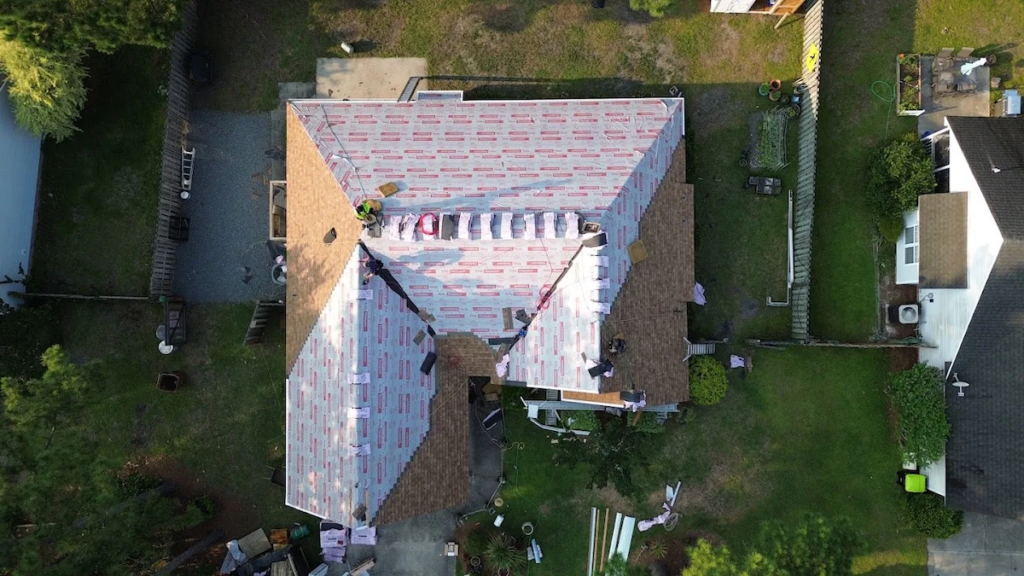
If a recent windstorm has you second-guessing your roof, don’t wait for a small issue to become a bigger one. Summit Roofing will walk your roof, document exactly what we find, and back it up with high quality roof repair based on what your home actually needs.
Contact Summit Roofing today to schedule your free, no-obligation inspection.