

 8 Min Read
 09/23/2026
What Does Hail Damage Look Like On A Roof? 8 Signs To Check For
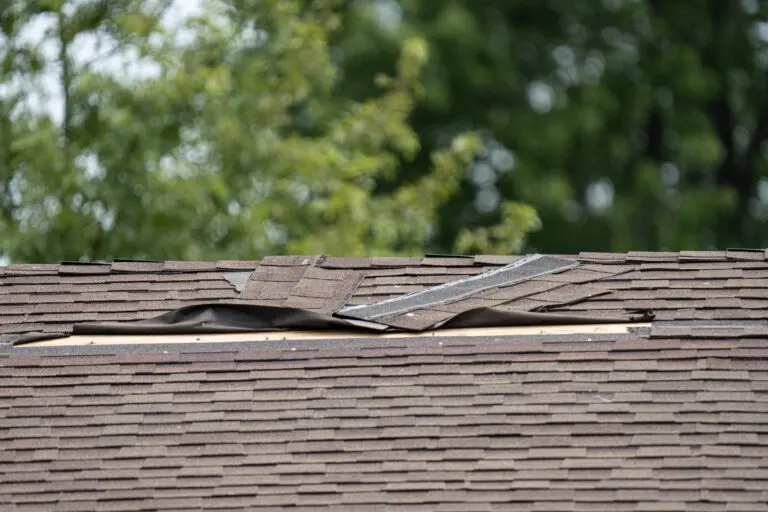
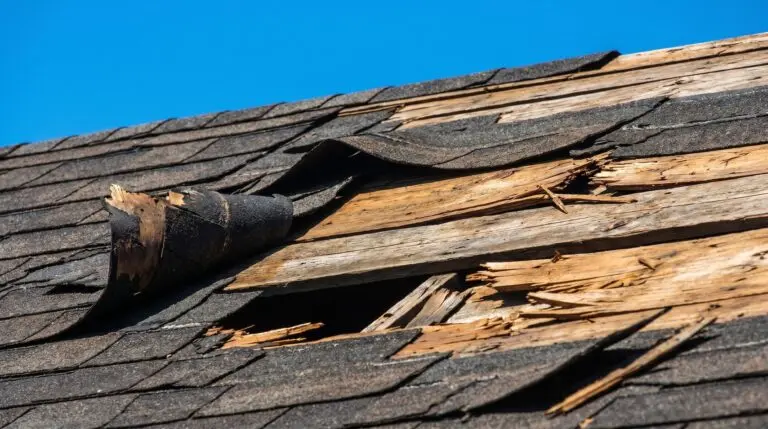
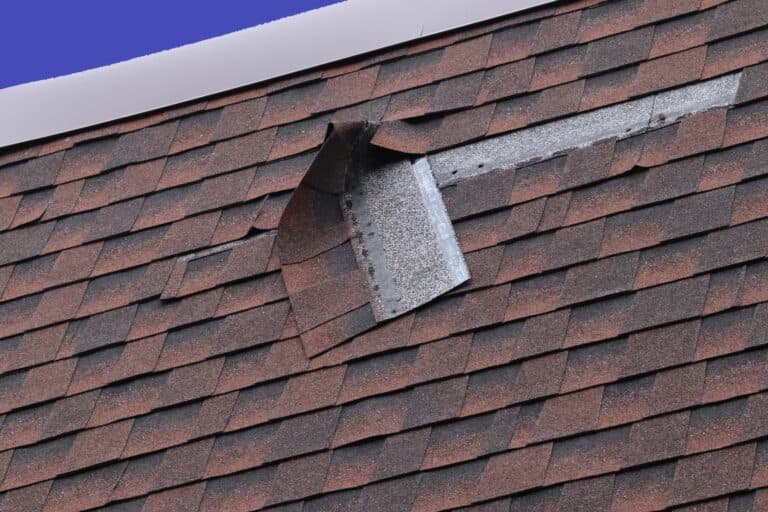
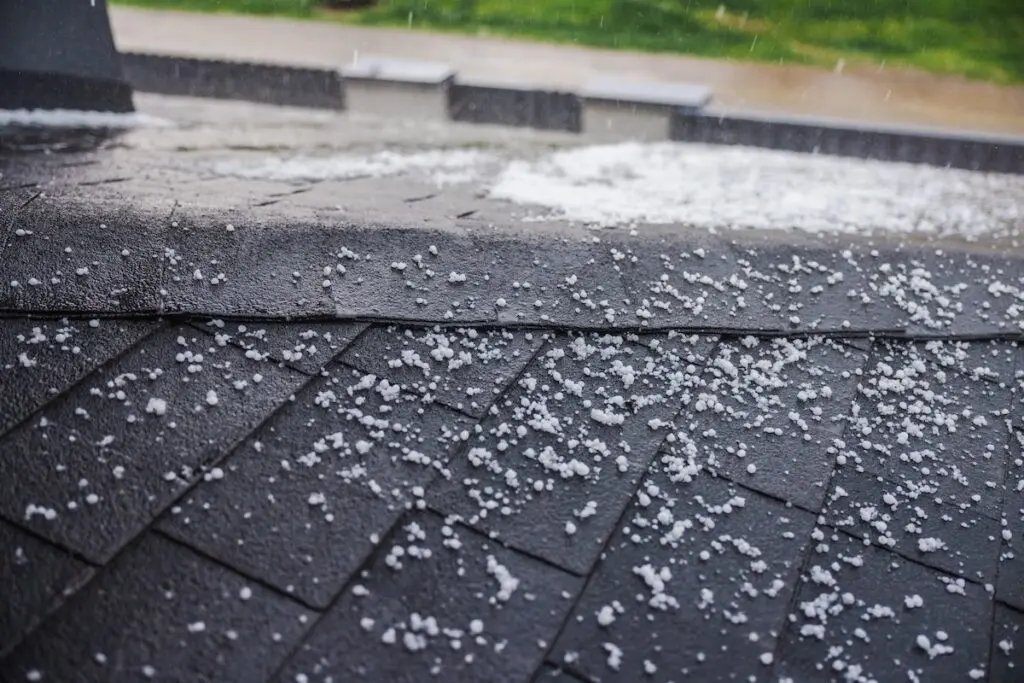
After a hailstorm passes, most homeowners walk outside, glance up at the roof, and see nothing obviously wrong. That’s actually the tricky part. What does hail damage look like on a roof is a harder question to answer than it sounds, since most hail damage is subtle, low-contrast, and easy to miss from ground level entirely.
Here’s a quick look at what we’ll cover:
- Why hail damage often looks like nothing at first glance
- The specific signs of hail damage worth checking for after a storm
- How professionals assess damage differently than homeowners
- What to do once you’ve spotted a potential issue
If a recent storm has you wondering about your roof, a closer inspection can catch what’s easy to miss from the ground.
Why Hail Damage Is Easy to Miss From the Ground
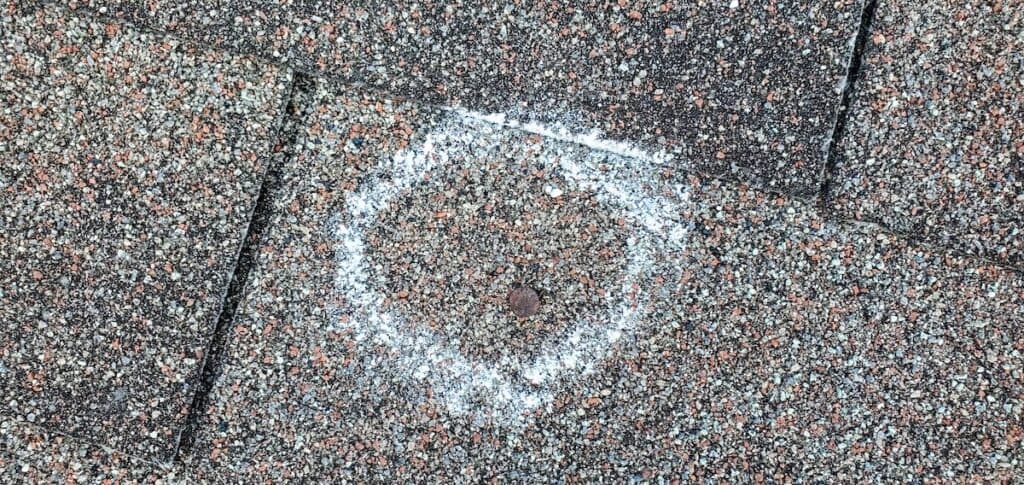
Hail doesn’t usually punch holes through a roof. Instead, it bruises, cracks, and weakens materials in ways that don’t show up as an obvious visual problem right away. According to NOAA’s National Severe Storms Laboratory, hail at least 1 inch in diameter, about the size of a quarter, is considered severe, and stones at or above that threshold are the ones most likely to cause meaningful roof damage. Even at that size, though, the resulting damage can be nearly invisible from the driveway, which is exactly why a closer inspection matters so much after a hail event.
8 Signs of Hail Damage to Check For
Here’s what to look for, whether you’re doing a preliminary check yourself or confirming what a professional inspector found.
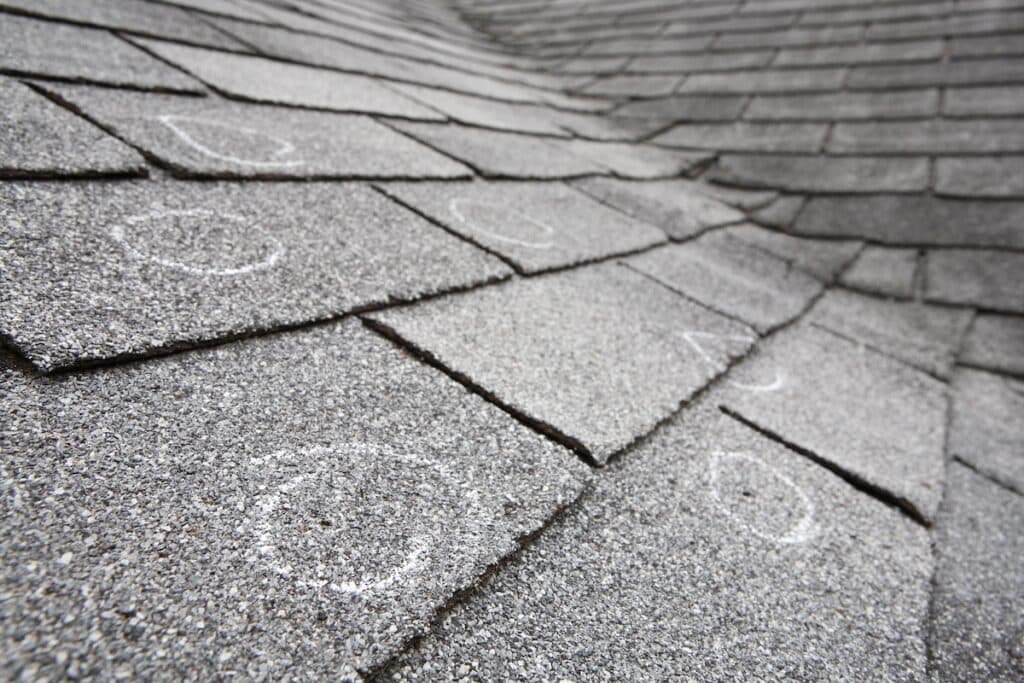
1. Circular Bruises or Dents on Shingles
This is the classic sign of hail impact, and it’s often the easiest to identify once you know what to look for.
- What it looks like: Dark, circular spots where the impact has compressed or displaced the shingle surface
- How to check: Look for randomly scattered marks rather than a uniform pattern, since wear from foot traffic tends to look different
- Why it matters: A bruise weakens the shingle even if it hasn’t cracked all the way through yet
- Where to look first: Check the roof slopes facing the direction the storm came from, since damage is often concentrated there
2. Granule Loss and Exposed Mat
Hail impact knocks protective granules loose, sometimes revealing the black asphalt mat underneath.
- What it looks like: Shiny, dark patches where granules have been displaced, sometimes surrounded by a halo of loosened granules
- How to check: Look at gutters and downspouts for accumulated granules after a storm
- Why it matters: Exposed mat accelerates UV damage and shortens the shingle’s remaining lifespan
- Where to look first: Compare granule density across different sections of the same slope for inconsistencies
3. Dents in Soft Metal Components
Vents, flashing, and gutters are often more visibly damaged by hail than the shingles themselves, since metal shows impact more clearly.
- What it looks like: Small, rounded dents on vent caps, flashing, and gutter surfaces
- How to check: Metal roof components are one of the easiest places to confirm hail impact without climbing onto the roof
- Why it matters: Visible dents on metal components are strong supporting evidence when documenting hail damage for a claim
- Where to look first: Check plumbing vents, exhaust caps, and any exposed flashing edges
4. Cracked or Split Shingles
Larger hail can crack a shingle outright, especially on older or more brittle roofing material.
- What it looks like: Visible splits or fractures running across the shingle surface
- How to check: Cracks are often easier to spot than bruises, but may require a closer look to distinguish from normal aging
- Why it matters: A cracked shingle is a much more direct path for water intrusion than a bruise alone
- Where to look first: Focus on shingles that are already showing other signs of impact nearby
5. Damage Around Skylights and Vents
The flashing and seals around roof penetrations are particularly vulnerable during a hailstorm.
- What it looks like: Dented flashing, disturbed sealant, or granule loss concentrated around these fixtures
- How to check: These areas are worth extra attention since damage here often leads to leaks faster than damage on the open field of the roof
- Why it matters: Even minor displacement around a penetration can compromise the seal over time
- Where to look first: Skylights, chimneys, and any rooftop vents or pipes
6. Damage to Gutters and Downspouts
Gutters take a direct hit during hail and often show damage even when the roof above looks relatively unaffected.
- What it looks like: Dents, dings, or bent sections along the gutter line
- How to check: A quick visual check from the ground is usually enough to spot obvious gutter damage
- Why it matters: Gutter damage is a strong indicator that the roof surface likely took similar impact
- Where to look first: Sections of gutter facing the direction the storm approached from
7. Soft Spots When Walking the Roof
Repeated hail impact can weaken the roof deck underneath, even when the surface damage looks minor.
- What it looks like: A slightly spongy or give-y feeling underfoot during a professional inspection
- How to check: This isn’t something to check yourself unless you’re trained and equipped for roof access
- Why it matters: Soft spots often indicate water has already made its way past the shingle layer
- Where to look first: Professionals typically focus on areas already showing other signs of impact
8. Interior Leaks Appearing After a Hailstorm
Sometimes the first real sign of hail damage shows up inside the home rather than on the roof itself.
- What it looks like: New water stains on ceilings or walls following a hail event
- How to check: Check attic spaces and upper-floor ceilings in the days following a significant storm
- Why it matters: An interior leak after hail almost always means the damage has already progressed past the surface
- Where to look first: Areas directly below skylights, chimneys, and roof penetrations
How Hail Hits Different Roofing Materials
Everything above focuses on asphalt shingles, since they’re the most common residential roofing material, but hail hits every roofing material a little differently.
- Wood shingles: Hail impact can split or crack wood shingles outright, and splintering is often more visible than the bruising typical of asphalt
- Clay and concrete tiles: Tile roofs are generally more resistant to hail, but individual clay and concrete tiles can crack or shatter under a large enough impact
- Metal roofing: Dents are the primary concern, and they’re usually easy to spot since bare metal shows impact more clearly than most other roofing material
- Vinyl siding: While not a roofing material, vinyl siding on the same structure often shows cracking or pitting after the same storm, which can help confirm hail size and severity
How Professionals Assess Hail Damage Differently
A trained roof inspector isn’t just looking for the same visual cues a homeowner would notice. They’re checking shingle resilience by pressing on suspected impact points, distinguishing hail bruising from manufacturing defects or blistering, and documenting damage in a way that holds up during an insurance review. This is part of why a professional inspection often finds meaningfully more damage than a homeowner’s initial walk-around, even on the same roof.
What Does Hail Damage Look Like On A Roof: Common Questions Answered
Here are direct answers to the questions homeowners ask most after a hailstorm.
How soon after a hailstorm should I check my roof?
As soon as it’s safe to do so, ideally within a few days. Hail damage doesn’t always worsen quickly, but documenting it promptly matters for insurance purposes and helps avoid delays if repairs are needed.
Can hail damage a roof without leaving visible dents?
Yes. Bruising on asphalt shingles can compromise the material’s integrity without an obvious surface dent, which is one of the main reasons hail damage is so often underestimated from the ground.
Does the age of my roof affect how much hail damage it sustains?
Yes. Older, more brittle shingles are generally more vulnerable to cracking and granule loss than newer shingles, especially impact-resistant products designed specifically to withstand hail.
Should I file an insurance claim even if the damage looks minor?
It’s worth getting a professional inspection first. Even minor visible damage can indicate more significant impact underneath, and a documented inspection gives you the information your insurance company needs to make that decision confidently.
Not Sure If Your Roof Has Hail Damage?
Hail damage is one of the easiest things to miss and one of the most important things to catch early, since minor bruising left unaddressed eventually becomes a real leak. Summit Roofing offers a free roof inspection to help identify hail damage before it turns into a bigger problem, documenting what we find with photos and giving you a clear, honest answer about whether repairs are needed, without any pressure to act on a repair you don’t actually need.
Schedule a free hail damage inspection with Summit Roofing today.