
 9 Min Read
 08/05/2026
Wind Damage to Roof: 7 Signs Your Home May Need Immediate Repairs
Coastal wind doesn’t need a major storm to cause trouble. A single afternoon of high winds off the Cape Fear coast can loosen shingles, lift flashing, and open up small gaps that turn into big leaks down the road. The tricky part about wind damage to roof systems is that it’s rarely obvious from the ground, and most homeowners don’t notice roof damage until water shows up somewhere it shouldn’t.
Here’s what tends to happen after a windy day in Wilmington:
- Shingle seals loosen without any visible sign from the street
- Small amounts of granule loss add up over several storms
- Flashing shifts slightly out of place around vents and chimneys
- Minor roof storm damage goes unnoticed until it turns into an indoor leak
If a recent windstorm has you wondering whether your roof took a hit, our storm damage repair team can take a look and tell you exactly what’s going on, before a small issue becomes a costly one.
Why Wind Is Harder on Your Roof Than It Looks

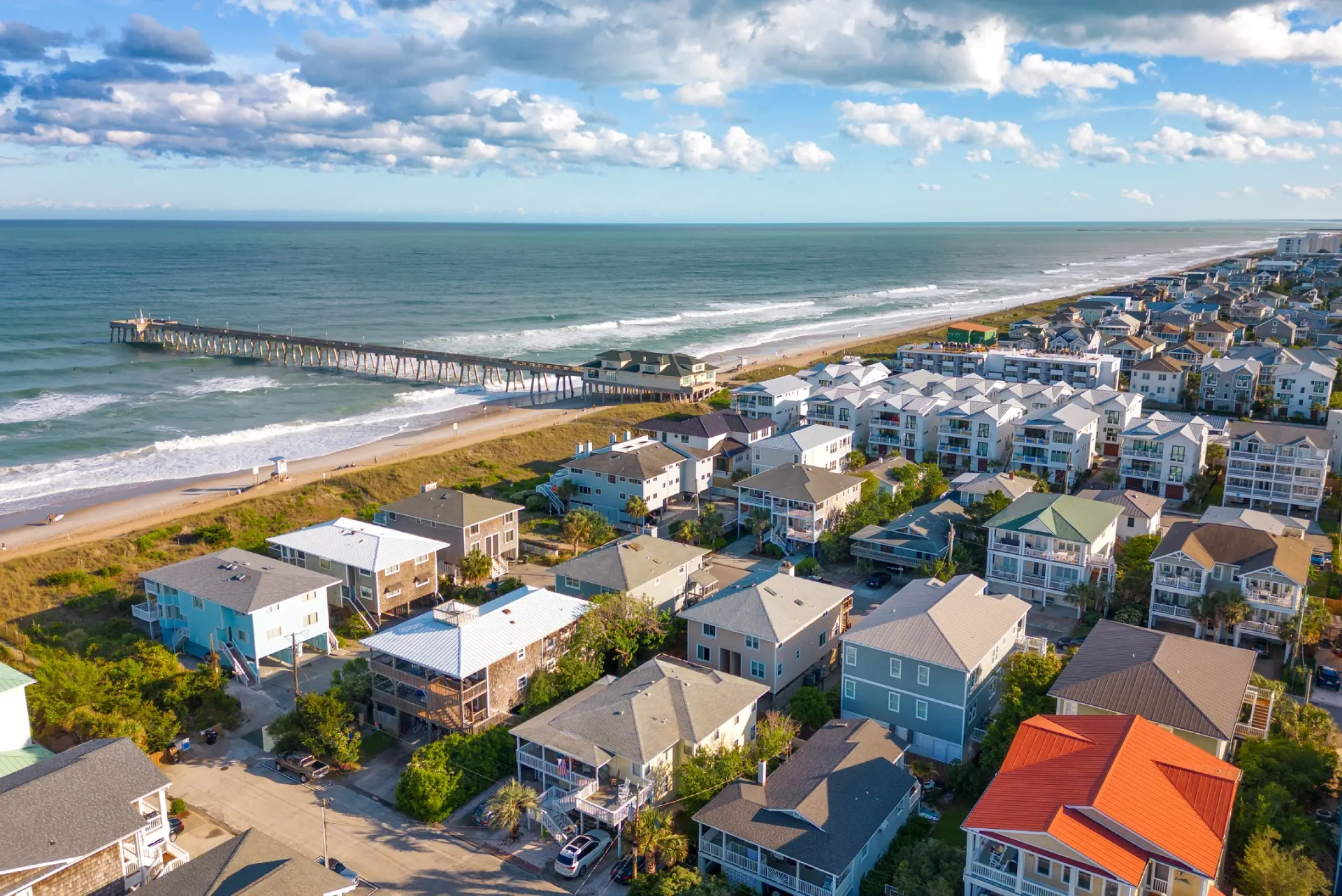
Wind doesn’t just push against a roof, it gets underneath it. High winds create uplift, tugging at the edges of roof shingles until the sealant bond breaks and gusts start to tear shingles loose entirely. Once that seal is gone, it doesn’t take much for the next storm to finish the job. Wilmington’s coastal location means local roofs deal with this kind of stress more often than homes further inland, which is exactly why regular roof maintenance and inspections matter so much here.
It also doesn’t take a major storm to cause real damage. Straight-line winds from a passing thunderstorm, wind driven rain, or even a strong nor’easter can generate enough uplift to compromise a roof that’s otherwise in decent shape. Older roofs, worn roofing materials, and roofs with degraded sealant are especially at risk, but even newer roofs aren’t immune if the wind hits at the right angle. This kind of wear is often called wind uplift damage, and it’s one of the most common causes of shingle roof leaks along the coast.
7 Signs Your Roof May Have Wind Damage
Wind damage shows up in a handful of predictable ways, and most of them are easy to check for once you know what you’re looking at. Here are the seven signs worth paying attention to after any windy stretch of weather, along with what each one usually means for your roof’s condition.
1. Missing or Lifted Shingles
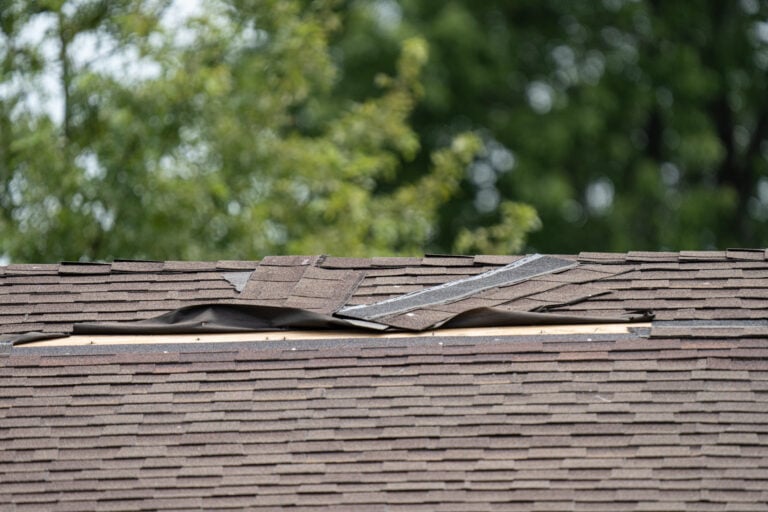
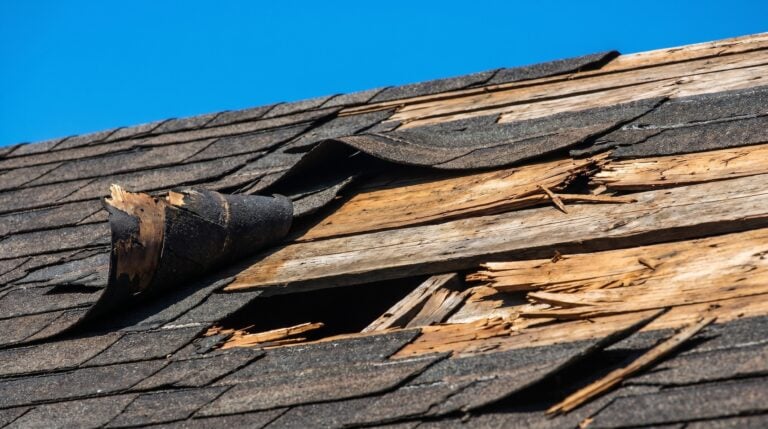
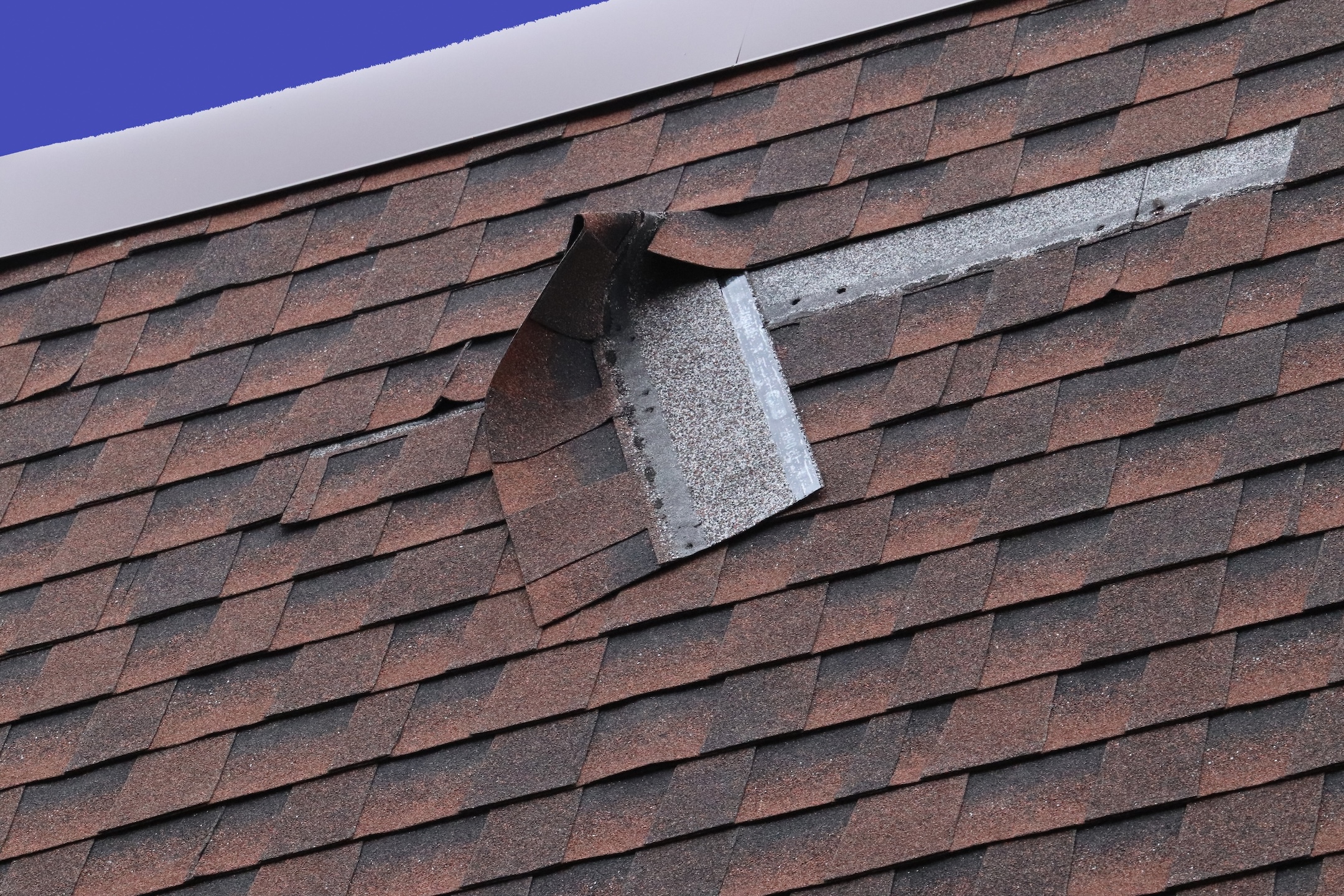
This is the most visible sign, and usually the first one people notice. If you spot bare patches on your roofline or missing shingles that look like they’re peeling up at the corners, high winds have likely broken the seal holding them down. Even one or two lifted shingles can let water sneak underneath during the next rain, and a shingle that’s already loose is far more likely to blow off entirely in the following storm.
- Look for bare patches or exposed roof deck along the roofline
- Check for shingle corners that appear lifted or curled up
- Note any missing shingles found in the yard after a windy day
2. Granules Collecting in Gutters or Downspouts
Asphalt shingles are coated in small granules that protect against UV rays and add durability. When wind whips across the roof, it can knock loose more granules than normal wear and tear would. If you notice a gritty buildup in your gutters, especially after a windy day, it’s a sign your roof shingles are losing their protective layer faster than they should.
- Check gutters and downspouts for a gritty, sand-like buildup
- Compare buildup after a windy day versus a calm one
- Keep an eye on shingles that look thinner or patchier than the rest
3. Curling or Buckling Shingles
Shingles that look wavy, curled at the edges, or slightly raised in the middle have usually had their seal compromised by wind uplift. This doesn’t always mean a full roof replacement is needed, but it does mean water can get underneath the shingle and reach the roof deck.
- Scan for shingles with wavy or uneven edges
- Look for spots where the shingle surface appears raised in the middle
- Note whether curling is isolated or spread across the roof
4. Damaged or Displaced Flashing
Flashing is the metal that seals the vulnerable spots on your roof, including around chimneys, vents, skylights, and where different roof planes meet. High winds can bend, loosen, or completely dislodge flashing, and because it’s a smaller and less obvious component, damage here often goes unnoticed until wind driven rain finds its way inside the house.
- Check flashing around chimneys, vents, and skylights for gaps
- Look for flashing that appears bent, lifted, or separated from shingles
- Use binoculars from the ground if you’re not comfortable on the roof
5. Debris on the Roof or in the Yard
Tree branches, leaves, and other debris scattered across your yard or roof after a windstorm are worth a second look. Beyond the mess, falling limbs and flying debris can crack shingles or puncture the roofing material, creating an entry point for water.
- Clear debris carefully and check for cracks or punctures underneath
- Look for dents or divots where tree branches may have landed
- Note the size of any debris that made it onto the roof itself
6. Leaks or Water Stains Inside the Home
Ceiling stains, damp spots in the attic, or a musty smell are some of the clearest indicators that wind driven rain has already found its way past your roof’s seal somewhere. By the time water shows up indoors, the roof damage has typically been developing for a while, so this is a sign that calls for prompt attention.
- Check ceilings for yellow or brown staining
- Inspect the attic for damp insulation or wood
- Pay attention to any new musty odors after a storm
7. Soft or Sagging Spots on the Roof
If you notice any part of your roofline dipping, sagging, or feeling soft underfoot during an inspection, that’s a signal that water has already made its way into the roof deck. This is one of the more serious signs of wind damage and shouldn’t wait.
- Watch for visible dips or unevenness along the roofline
- Note any soft or spongy feeling during a walk-through inspection
- Treat this sign as a priority over the others on this list

What to Do If You Spot These Signs
Wind damage isn’t always dramatic, and that’s what makes it deceptive. A roof can look mostly fine from the driveway while still having compromised seals, cracked flashing, or granule loss that’s chipping away at its lifespan. Catching these issues early is almost always cheaper and easier than dealing with the water damage that follows a missed leak.
If you’ve noticed any of these signs after a recent windstorm, or you’re just not sure and would rather have a professional take a look, Summit Roofing is here to help. We’ve built our reputation as a trusted roofing contractor in Wilmington on being upfront with homeowners about what their roof actually needs, nothing more and nothing less.
Documenting Damage and Filing an Insurance Claim
If a severe storm has left visible damage on your roof, a little documentation goes a long way with your insurance company. Document damage with photos before any repairs begin, including close-up shots of missing shingles, damaged flashing, and any debris involved. If a tarp is needed to stop active leaking, temporary tarping prevents further water damage while you wait on an adjuster or a repair crew.
Insurance claims should be filed promptly after damage occurs, since most policies have windows for reporting and delays can complicate the process. It’s also worth understanding how your policy pays out: some policies cover repairs at actual cash value, which factors in depreciation, while others cover full replacement cost. Knowing which one applies to your policy before you file can help you set the right expectations going into the claims process.
Preventing Future Wind Damage
While no roof is completely wind-proof, a few proactive steps can meaningfully reduce your risk:
- Choose wind-rated roofing materials for better durability against coastal storms
- Reinforce the roof deck with high-quality underlayment. Sealing the seams of a roof deck can reduce water intrusion by up to 95% if the roof cover is torn off in high winds, according to the Insurance Institute for Business & Home Safety
- Trim nearby trees to prevent wind damage from falling branches and debris
- Schedule routine inspections so small issues get caught before a major storm makes them worse
Roof Wind Damage: Straight Answers to Common Questions
Homeowners dealing with wind damage tend to ask the same handful of questions, so here are clear, direct answers to the ones that come up most.
How much wind does it take to damage a roof?
Sustained winds in the 45-55 mph range can start lifting shingles on an older or already-weakened roof. Roofs in good condition with a proper seal and wind-rated roofing materials can typically handle more, though nothing is completely wind-proof once gusts climb into severe storm territory.
Can wind damage be covered by insurance?
In many cases, yes. Wind damage is commonly covered under standard homeowners insurance policies, though coverage details vary by carrier and policy, and payouts may be based on actual cash value or full replacement cost depending on your plan. We’re happy to walk you through what we’re seeing on your roof so you have clear information to bring to your insurance company.
Should I repair or replace my roof after wind damage?
It depends on how widespread the damage is and the overall condition of the roof. A few lifted shingles on an otherwise healthy roof usually just need a targeted repair. Widespread granule loss, multiple soft spots, or a roof that’s already near the end of its lifespan may point toward a full roof replacement being the smarter long-term choice. Either way, an honest inspection from a qualified roofing contractor is the best starting point.
How soon should I get my roof inspected after a windstorm?
Sooner is better. Wind damage tends to get worse with each additional storm, so getting a roof inspection within a few days of noticeable wind events can catch problems before they turn into leaks.
Schedule Your Free Roof Inspection Today

Don’t wait for a small wind-related issue to turn into an indoor leak. The longer a lifted shingle or loose flashing goes unnoticed, the more room it gives water to reach your roof deck and, eventually, your ceilings. Summit Roofing will walk your roof, give you a clear and honest assessment, and lay out a straightforward plan for fixing what we find.
Contact Summit Roofing today to schedule your free, no-obligation inspection.