 8 Min Read
 11/18/2026
New Construction Roofing: 8 Things Builders and Homeowners Should Plan Before the Roof Goes On
On most construction projects, the roof is one of the last major systems to go on and one of the first to be tested by the weather, which is why new construction roofing deserves attention long before the crew arrives. Decisions about roof shape, materials, wind design, ventilation, and scheduling are much easier and cheaper to make on paper than after framing is done, and a durable roof is the product of those decisions as much as the shingles or panels themselves. This guide walks through the eight things builders and homeowners should plan before roof installation begins, with a coastal Carolina angle.
Here’s a quick look at what we’ll cover:
- Why early planning matters more on a new build than on a replacement
- Eight decisions to settle before the roof goes on
- How coastal wind and insurance considerations fit into the plan
- Questions to ask your roofer before you sign
If you’re planning a custom home, our residential roofing services and metal roofing options are good places to start.
Why Planning Matters for New Construction Roofing
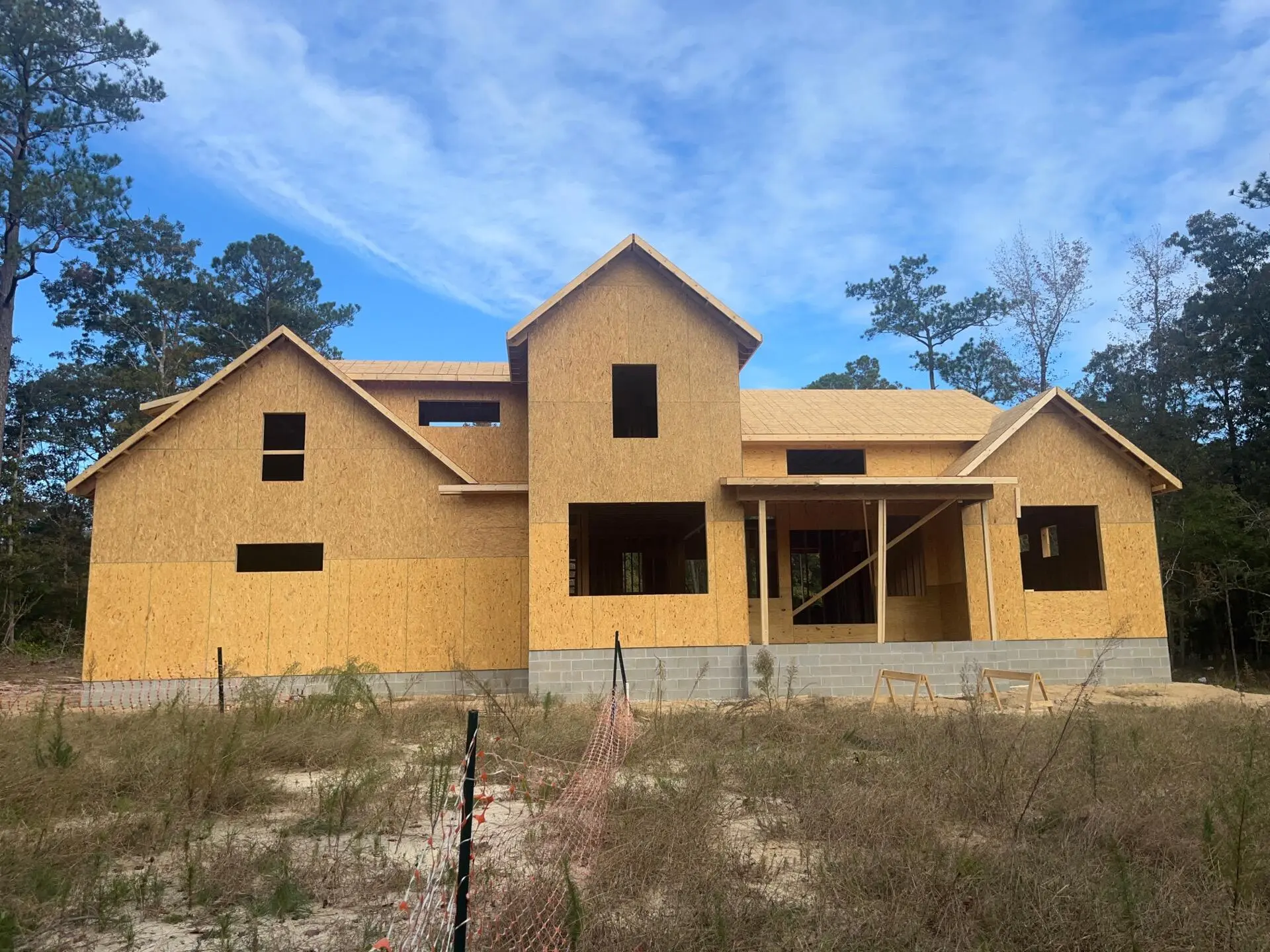
A replacement roof starts with a house that already exists. New construction roofing starts with a design, which means the roof can be shaped around your goals instead of around old constraints. The flip side is that choices made early lock in what comes later. Roof pitch affects which materials are suitable, material choice affects lead time and budget, and wind design affects how the roof deck is nailed and sealed. Settling those decisions together, with your builder and your roofing contractor at the table, is how you avoid costly changes once the walls are up. Planning ahead is also what makes new construction roof installations go smoothly once the crew arrives.
8 Things to Plan Before the Roof Goes On
Work through these eight items early, ideally before framing is finished and well before material orders are placed.
1. Roof Shape and Pitch
The design of the roof drives nearly everything that follows, from materials to cost to how water leaves the house. Complex roofs with many hips, valleys, and dormers look great but add labor, flashing details, and places where water has to be managed.
- Pitch: Manufacturers set minimum slopes, and standing seam metal systems generally allow lower slopes than lapped, exposed-fastener metal panels
- Complexity: More valleys, hips, and dormers mean more flashing and more labor
- Flat sections: Porches and modern designs with flat or low-slope areas use flat roofing systems, which have different requirements than shingles or standing seam
- Drainage: Decide early where water will go, including gutters and downspouts
2. Shingles or Metal
The roofing materials you choose shape the look of the home and the timeline. Asphalt shingles are the most common choice, and metal roofing has become a popular option for custom homes. Nearly all of the shingles Summit Roofing installs are CertainTeed, and you can see the lines we work with on our page about CertainTeed shingle options.
- Shingles: A wide range of colors and styles, and generally the faster path to a finished roof
- Metal: Standing seam systems are among the premium roofing solutions, with a distinctive look
- Lead time: Metal is typically special order rather than stocked by local suppliers, and Summit’s typical turnaround on a job is two to four weeks, with metal taking longer
3. Wind and Coastal Design
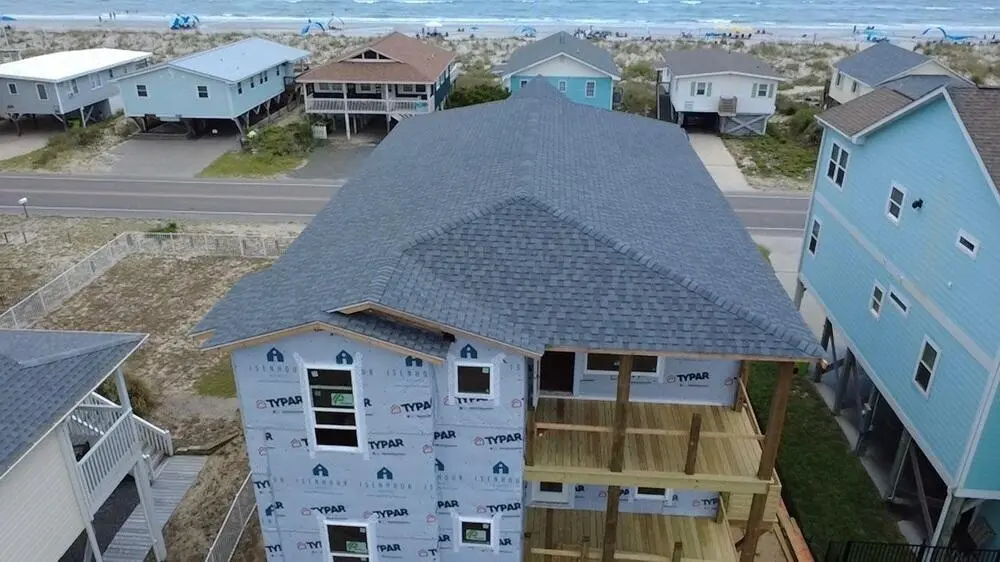
Coastal homes face stronger wind than inland homes, and the roof is where that shows up first. Wind tends to attack edges and transitions, so the design and fastening of those details matter. Our guide to wind damage to a roof explains how storms exploit weak points, which is useful context when you’re designing a new one.
- Code requirements: Your builder and local building department set the baseline wind design
- Edges and transitions: Ridge, eave, and rake details deserve extra attention
- Going beyond code: Programs like FORTIFIED set requirements above the code minimum
4. FORTIFIED and Insurance Credits
New construction is the easiest time to build to a higher standard, and in coastal North Carolina it can also affect your insurance. According to the North Carolina Department of Insurance, FORTIFIED has specific requirements beyond what most building codes require, and using the program could mean eligibility for mitigation credits from your homeowners insurance company. Summit Roofing helps homeowners work through the process from qualification to installation.
- What it is: A voluntary construction and re-roofing program from IBHS with an inspection and verification process
- Why it matters: Qualifying homes may be eligible for wind and hail premium credits
- What to do: Talk to your roofer, your builder, and your insurance agent before the roof is designed
5. Roof Deck and Fastening
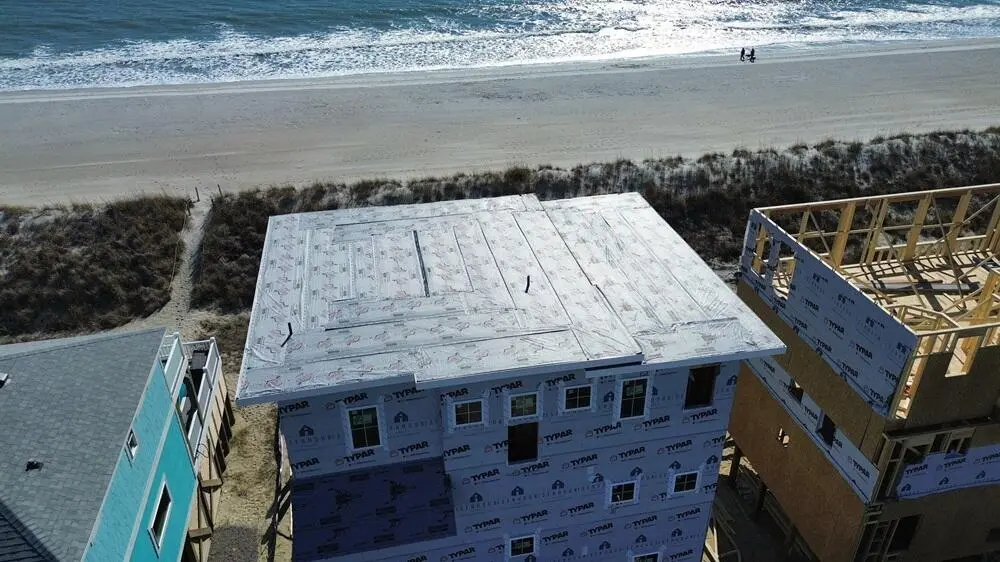
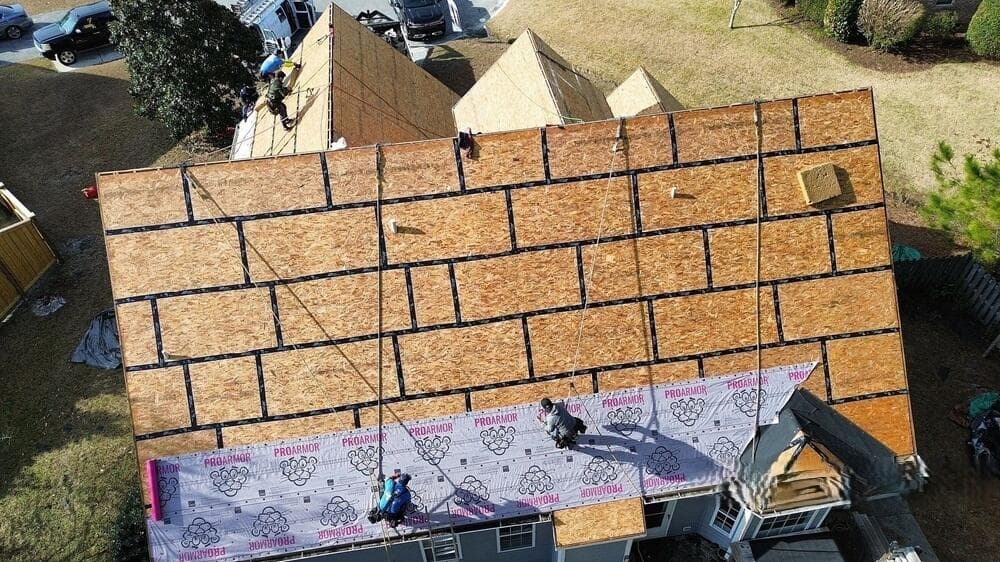
The roof deck is the foundation everything else sits on, and how it’s attached matters more in high-wind areas. Decisions about sheathing, nail type, nailing patterns, and deck sealing are far easier to make before the roof goes on than after.
- Sheathing: Specify the deck material and thickness with your builder
- Fastening: Nail type and spacing can go beyond code minimums for added wind resistance
- Deck sealing: Some higher-performance approaches seal the deck so water stays out even if the roof cover is damaged
6. Ventilation and Insulation
A roof that breathes performs better and lasts longer, and the best time to plan airflow is while the attic is still open.
- Intake and exhaust: Ridge vents work best when paired with enough intake vents
- Insulation: Plan the insulation and ventilation together so they don’t fight each other
- Product choices: Ask whether your roofing manufacturer offers matched ventilation components
7. Penetrations, Flashing, and Trade Coordination
Every pipe, vent, chimney, and skylight is a place where the roof has to be sealed, and a new build has more trades working around the roof than most people realize. Locations for plumbing vents, HVAC equipment, and skylights should be settled before the roof goes on, not discovered during installation.
- Penetration layout: Agree on where vents, flues, and equipment will exit the roof
- Flashing details: Chimneys, skylights, and wall intersections need proper flashing
- Coordination: Align the roofing schedule with siding, windows, and mechanical trades
- Confirmation: Ask your roof installers to confirm penetration locations and flashing details before work starts
8. Schedule, Weather, and Paperwork
A roofing project isn’t just a product, it’s a timeline. Getting the structure dried in on schedule protects everything inside, and the paperwork you collect at the end protects your investment for years afterward.
- Scheduling: Build in lead time for materials, especially metal, and some flexibility for weather
- Warranties: Manufacturers warrant roofing materials against defects, while contractors warrant their workmanship, and Summit Roofing backs its work with a lifetime workmanship warranty
- Documentation: Keep project details, photos, and warranty information together for your records
How to Choose a Roofer for a New Build
The right roofing contractor for a new build is one who joins the conversation early. Ask how they work with builders, which materials they install, how they handle wind design, and what warranties come with the finished roof. Summit Roofing’s new construction roofing services for custom builders include both shingle and metal roofing, and estimates are free and come with no obligation. If you’re also weighing how much the roof will cost, financing options are available.
New Construction Roofing: FAQs
Here are direct answers to the questions builders and homeowners ask most about new construction roofing.
When should I choose roofing material for a new home?
As early as possible. Material choice affects roof pitch, framing details, budget, and lead time, and metal in particular is typically special order, so deciding early keeps the schedule on track.
Can a new home be built to FORTIFIED standards?
Yes. FORTIFIED is a voluntary construction and re-roofing program from IBHS with an inspection and verification process, and the North Carolina Department of Insurance notes that using it could mean eligibility for mitigation credits. Talk to your roofer, builder, and insurance agent early.
How long does new construction roofing take?
Roof installation time depends on the size and complexity of the roof and the material you choose. Summit Roofing’s typical turnaround on a job is two to four weeks, and metal can take longer because it’s special order.
Does Summit Roofing do new construction roofing?
Yes. Summit Roofing works with custom builders on residential new construction, with both shingle and metal roofing. Estimates are free and come with no obligation.
What warranties come with a new roof?
Manufacturers warrant roofing materials against defects, and contractors warrant their workmanship. Summit Roofing backs its work with a lifetime workmanship warranty, and you can ask about the manufacturer warranty options for the specific roofing system you choose.
Ready to Plan Your New Roof?
If you’re building a home or working with a builder, the best time to talk about the roof is before it’s on the schedule. Summit Roofing will talk through your design, your material options, and your timeline, and provide a detailed estimate for your roofing project with no obligation.
Our family-owned team serves builders and homeowners across the Cape Fear region, and we’d rather help you plan the roof well than rush it.
Start your new construction roofing estimate with Summit Roofing today.