 9 Min Read
 10/16/2026
PVC Flat Roof: 8 Important Pros & Cons To Consider
Choosing a membrane for a low-slope building is a long-term decision, and a PVC flat roof is one of the most established options among flat roofing materials. It has real strengths, including strong seams and built-in fire resistance, and it also asks a few things of the building owner that other membranes do not. Knowing both sides of PVC roofing systems before you request bids makes it much easier to decide whether PVC fits your property.
Here’s a quick look at what we’ll cover:
- What a PVC flat roof actually is and how it’s put together
- Four advantages that make PVC a common commercial choice
- Four tradeoffs worth weighing before you commit
- How PVC compares with TPO and EPDM, and which buildings it suits best
If you’re comparing commercial roofing system options for an upcoming project, this breakdown is a good place to start.
What Is a PVC Flat Roof?
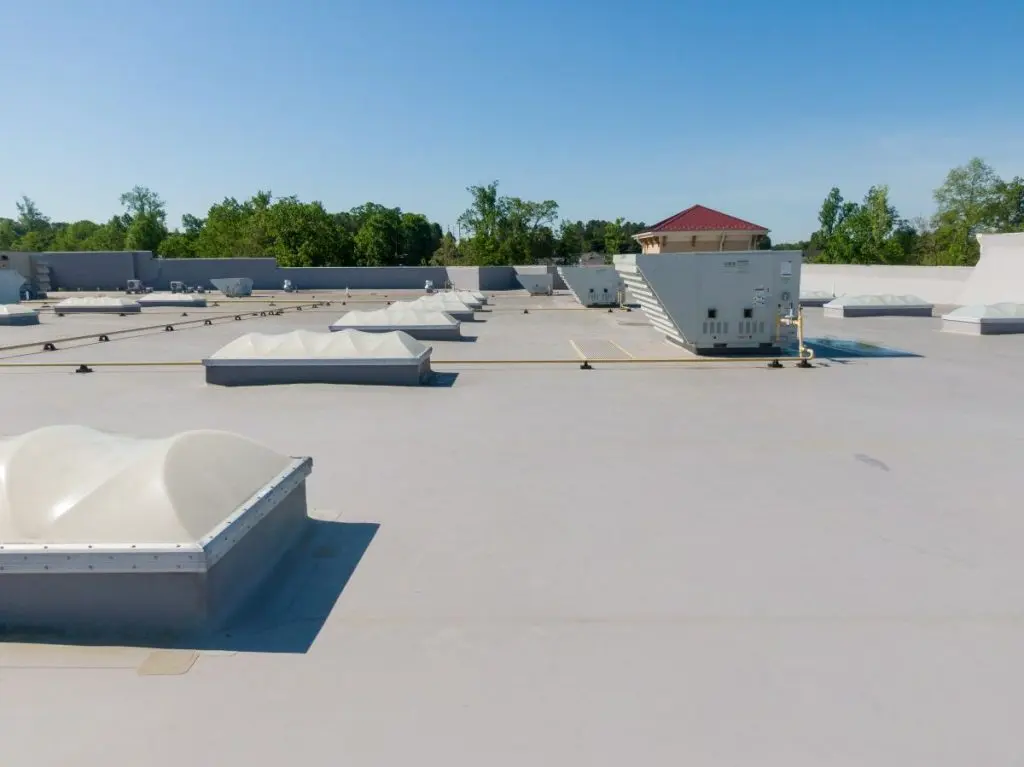
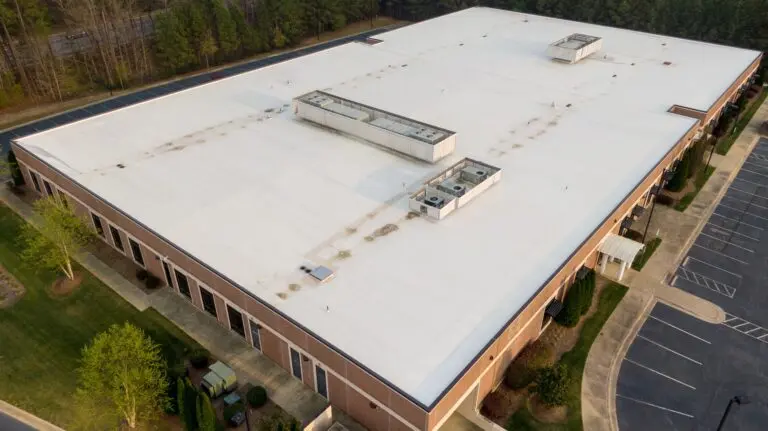
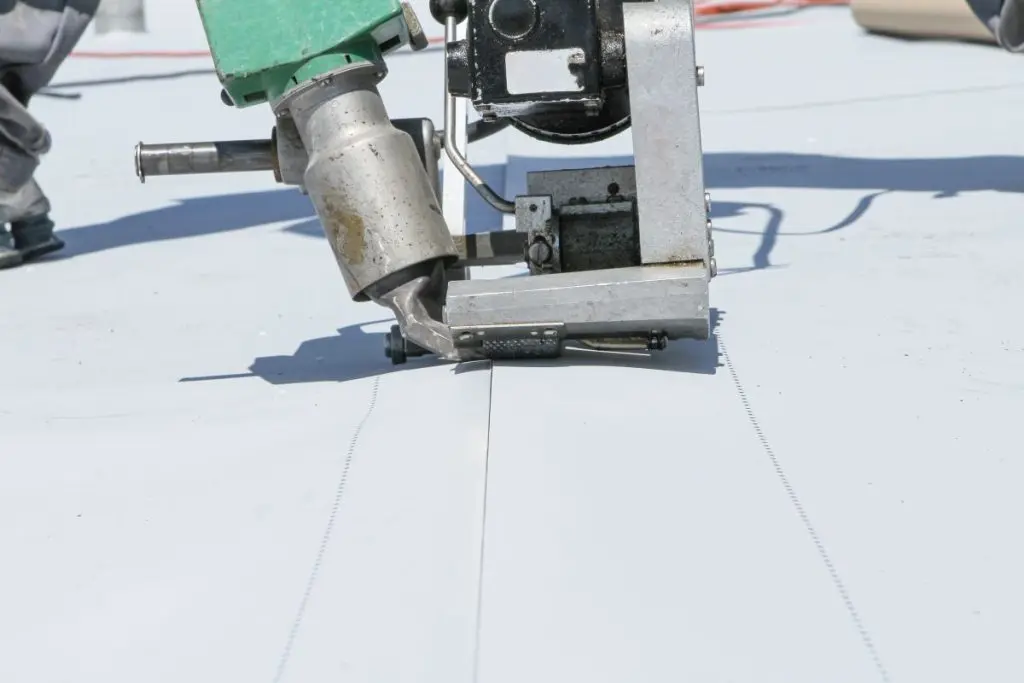
A PVC flat roof uses a single-ply membrane made from polyvinyl chloride, a thermoplastic that can be heated and reshaped. That property is what makes PVC distinctive: the seams between sheets are heat-welded, which fuses the membrane into one continuous surface instead of relying on glue or tape. The finished membrane is reinforced with polyester or fiberglass for strength, and most PVC roofing membranes come in white or other light colors that reflect sunlight. Among roofing materials for low-slope buildings, these systems are used mostly on commercial and industrial properties with flat or low-slope roofs, from offices and retail centers to restaurants and warehouses.
8 Important Pros and Cons of a PVC Flat Roof
Here is an honest look at what a PVC membrane does well and where it asks more of the owner.
1. Pro: Heat-Welded Seams Create a Continuous Surface
Seams are the most common weak point on any flat roof, so how they’re joined matters. With PVC, the edges of each sheet are melted together, which fuses the membrane into a strongly bonded seam rather than a glued joint that can age separately from the sheet.
- Seam method: Hot-air welding fuses overlapping sheets instead of gluing them
- Why it matters: A properly welded seam forms a strong bond across the full width of the lap
- Flashing details: Flashings at edges and penetrations can be welded as well
- What to ask: How seam quality is checked while the work is underway
2. Pro: Strong Fire Resistance
Vinyl membranes are inherently self-extinguishing, which allows PVC systems to earn fire ratings. For buildings where fire codes or insurance requirements carry weight, that built-in property is a real advantage over membranes that depend on added fire retardants.
- Built in: Fire resistance comes from the material itself rather than an additive package
- Ratings: PVC systems can earn ratings from testing agencies such as Underwriters Laboratories and Factory Mutual
- Worth confirming: Ask the manufacturer for the rating on the exact roof assembly you’re considering
- Insurance angle: Your carrier may have its own requirements, so it’s worth asking before you choose
3. Pro: Resistance to Chemicals and Grease
PVC membranes are known for holding up against many chemicals and oils, which is why they come up often for restaurants and industrial buildings with rooftop exhaust or process equipment. Resistance varies by product, so the specifics matter.
- Common fit: Restaurants, food service buildings, and industrial facilities
- Exposure types: Cooking exhaust, oils, and a range of industrial chemicals
- Manufacturer check: Request chemical-resistance information for the specific membrane
- When it’s overkill: A building with no unusual exposure may be well served by a less expensive membrane
4. Pro: A Long Track Record
PVC has been on commercial roofs longer than most competing membranes. According to FacilitiesNet, PVC roof membranes have the longest track record of any thermoplastic membrane, with the first PVC-based systems installed in Europe in the early 1960s. That history means decades of field performance to learn from, which helps explain the exceptional durability PVC membranes are known for, and many of the early formulation problems have since been addressed.
- Field history: Decades of real-world performance behind the product
- Typical lifespan: Often 20 to 30 years with proper installation and maintenance
- Improvements: Modern membranes are reinforced and formulated to hold up over time
- What it means for you: A proven material, though installation quality still decides the result
5. Con: Higher Upfront Cost Than Some Alternatives
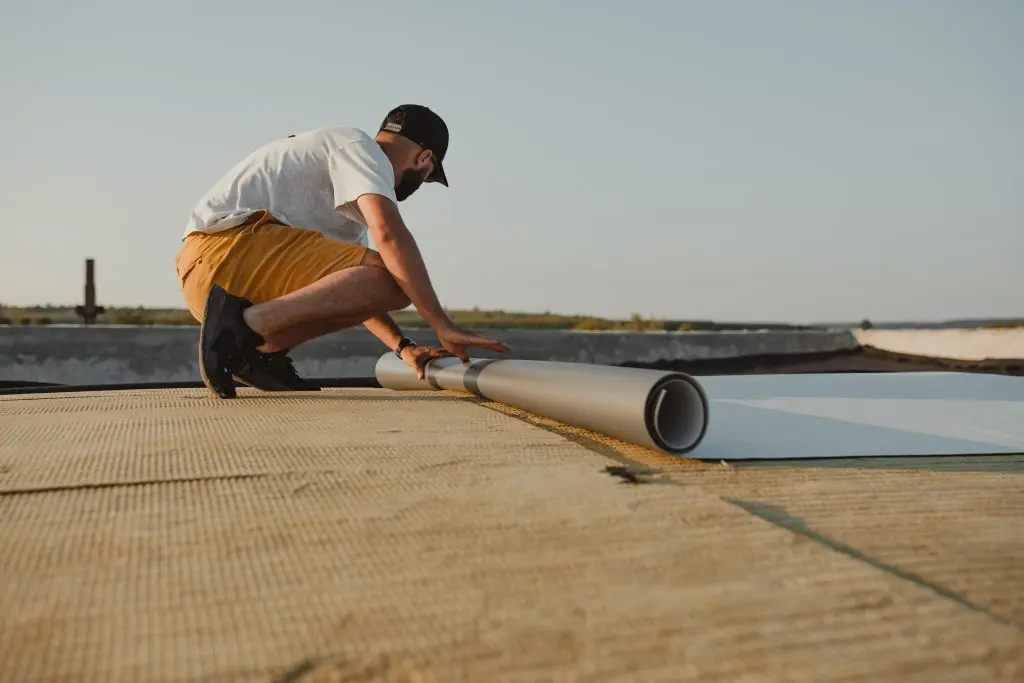
PVC often costs more up front than TPO or EPDM, reflecting its materials and the skill needed to weld it properly. Whether that premium pays off depends on how long you plan to own the building and what the roof will be exposed to.
- Typical comparison: PVC is frequently priced above the other single-ply options
- Where it can pay off: Longer service life and specific resistance benefits
- Budget approach: Compare cost over the roof’s expected life, not just the bid
- Ask for: Itemized bids that show membrane thickness and warranty terms
6. Con: Formulation and Plasticizers Matter
PVC is not naturally flexible, so plasticizers are added to the membrane. In past years, plasticizer loss in unreinforced membranes led to failures when the material stiffened and cracked in cold weather. Today all PVC membranes are reinforced and newer formulations limit plasticizer loss, but formulation is still a reason to look closely at the manufacturer and the product data.
- Older roofs: A very old PVC membrane may be noticeably less flexible than a new one
- Today’s membranes: Reinforced with polyester or fiberglass for tear and break strength
- Climate note: Milder coastal winters ease cold-weather concerns, though formulation still matters
- What to check: Product data sheets and the warranty terms
7. Con: Reflectivity Fades Without Cleaning
White PVC membranes start out highly reflective, which helps keep the roof and the building cooler. As a roof collects dirt, that initial reflectance drops unless the surface is washed periodically, so the energy benefit isn’t completely hands-off.
- Starting advantage: High initial reflectance on a clean white surface
- Over time: Dirt buildup gradually reduces how much sunlight the roof reflects
- Maintenance: Periodic washing helps preserve the cooling benefit
- Plan for it: Build cleaning into your regular maintenance schedule
8. Con: Results Depend on the Installing Crew
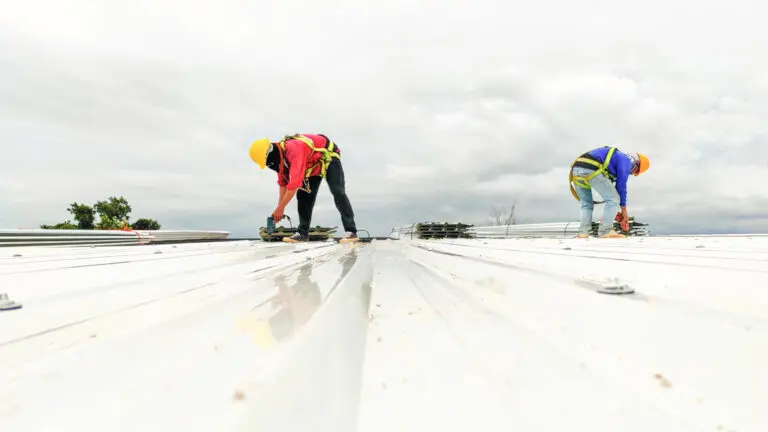
Because PVC performance relies so heavily on welded seams and flashing details, workmanship matters as much as the material itself. A strong membrane installed poorly can still leak.
- Weld quality: Temperature, speed, and overlap all have to stay consistent across the roof
- Warranty rules: Manufacturer warranties commonly call for approved installers
- Experience: Ask how many PVC roofs a contractor has installed and request references
- Inspection: Ask how seams are checked before the crew leaves
How PVC Compares With TPO and EPDM
PVC and TPO are both thermoplastics with heat-welded seams, and both commonly come in white, which is one reason they are often compared with each other and with other flat roofing materials. One difference worth knowing is chemistry: the TPO polymer does not contain chlorine, while PVC, as its name says, does, and some owners factor that into sustainability decisions. EPDM is a different kind of material altogether, a synthetic rubber whose seams are glued or taped rather than welded. If TPO is also on your list, our guide to TPO roofing installation explains what that process involves.
- PVC: Welded seams, built-in fire resistance, strong chemical and grease resistance, often a higher upfront cost
- TPO: Welded seams, a chlorine-free polymer, fire retardants added to earn ratings, widely used on commercial roofs
- EPDM: Rubber membrane, taped or glued seams, often chosen for buildings with very large roofs
Is a PVC Flat Roof Right for Your Building?
PVC tends to make the most sense when a building faces grease, oils, or chemical exposure, when fire performance is a priority, or when the owner plans to hold the property long enough to benefit from a durable membrane. For a building with no special exposures and a tight budget, TPO or EPDM may deliver similar results for less. The honest answer depends on how the building is used, how it drains, what insulation sits underneath, and your timeline. How PVC roofing performs over the long run also depends heavily on installation, which is why a roof assessment should come before any material decision.
PVC Flat Roof: Common Questions Answered
Here are direct answers to the questions building owners ask most about PVC membranes.
How long does a PVC flat roof last?
Often 20 to 30 years with proper installation and maintenance. Actual lifespan depends on membrane thickness, climate, drainage, and how well the roof is maintained over time.
Is PVC better than TPO for a flat roof?
Neither is better for every building. PVC generally offers stronger chemical and grease resistance and built-in fire resistance, while TPO often costs less up front. The right choice depends on your building’s exposure, budget, and how long you plan to keep it.
Does a PVC flat roof need maintenance?
Yes. Regular inspections, clear drains, and periodic cleaning help the membrane perform as intended and preserve its reflectivity. Catching small issues early is far cheaper than repairing the damage a missed leak causes.
What kinds of buildings use a PVC flat roof?
PVC is commonly used on commercial and industrial buildings with flat or low-slope roofs, including offices, retail centers, restaurants, and warehouses.
Does Summit Roofing install PVC flat roofs?
Yes. Summit Roofing specializes in TPO, PVC, and EPDM systems, as well as commercial coatings, for buildings across New Hanover, Brunswick, and Pender counties.
Planning a PVC Flat Roof Project?
Choosing a membrane is easier when someone looks at your actual roof. Summit Roofing offers free inspections for commercial properties and works with TPO, PVC, and EPDM systems, so the recommendation can follow the building instead of a preferred product. You’ll receive a detailed, transparent estimate and a straightforward walk-through of the tradeoffs covered here before you decide.
Whether you’re replacing an aging membrane or planning ahead for a new building, our family-owned team can help you weigh PVC against the alternatives and stand behind the finished work with a lifetime workmanship warranty.
Request a PVC roof consultation with Summit Roofing today.